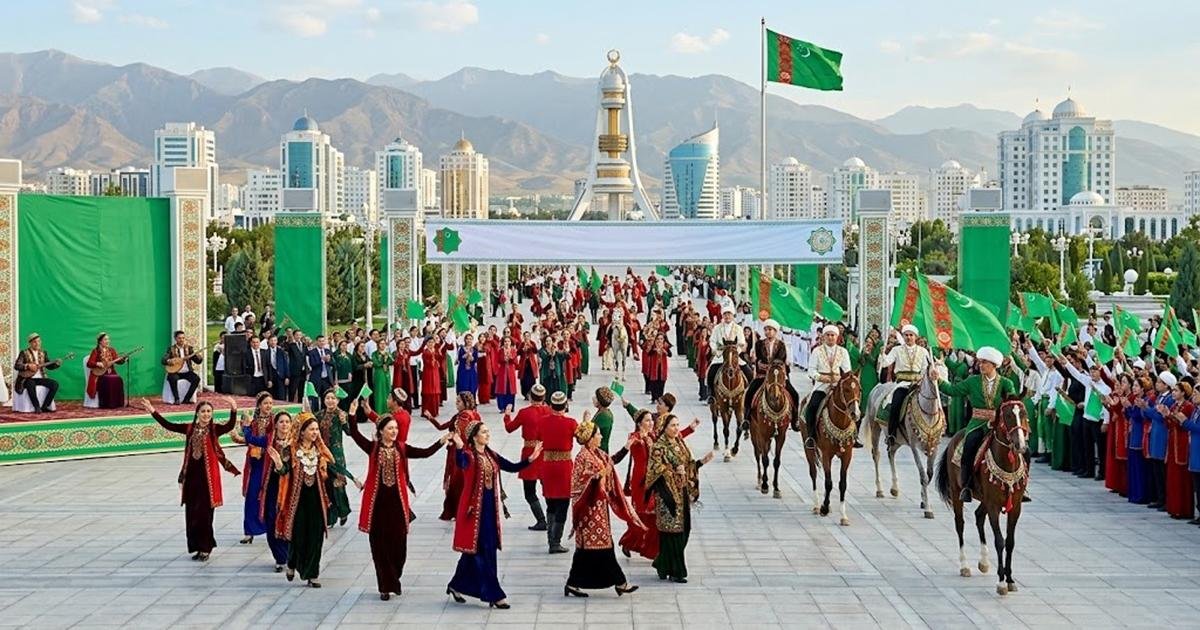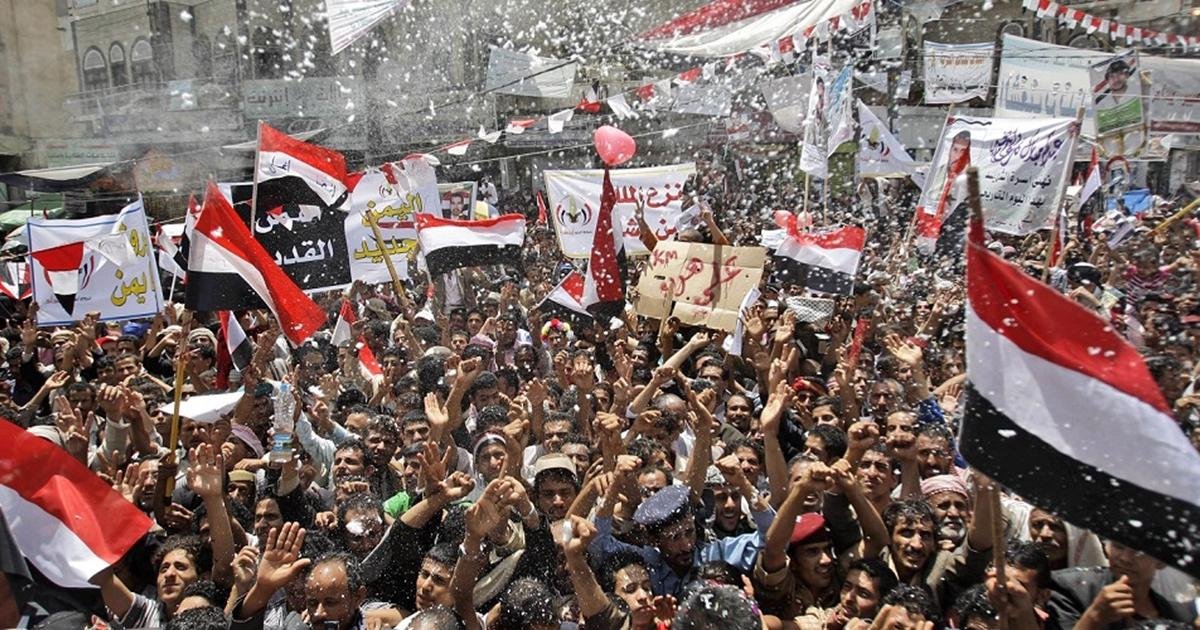




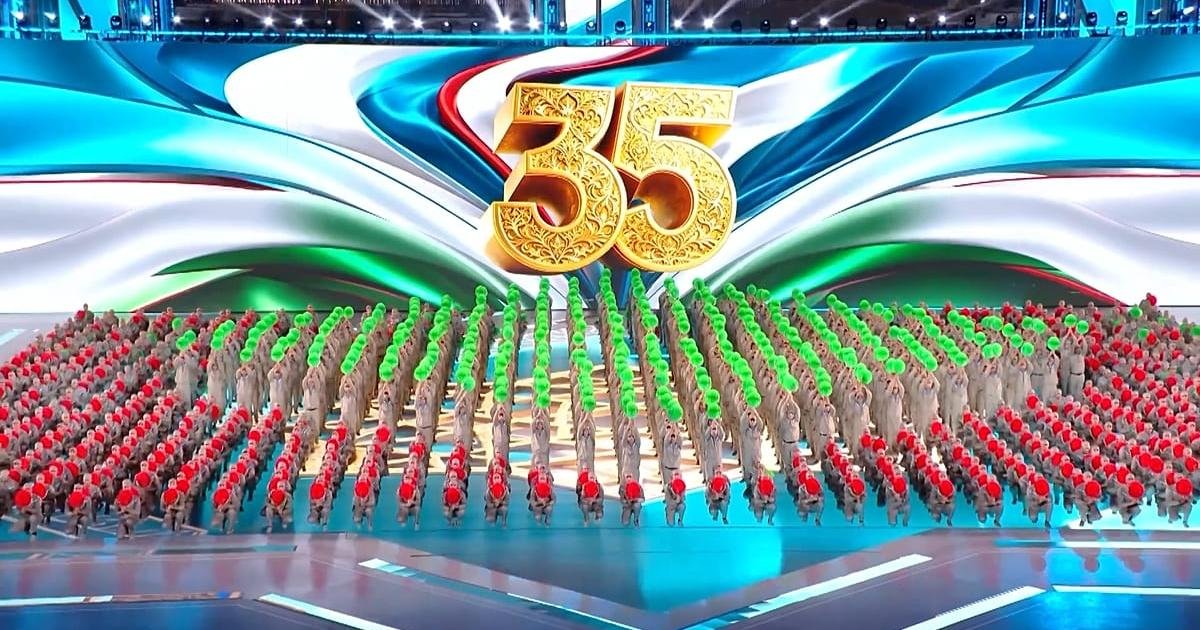
Uzbekistan celebrates Independence Day today, 1 September, marking 35 years as a sovereign state. The country declared independence on 31 August 1991, and 1 September was established as the national holiday. Flags, concerts, public ceremonies, cultural performances and family gatherings fill cities and towns with a festive atmosphere. From Tashkent to regional centres and rural communities, citizens honour the beginning of a new national chapter and the work completed since then.
The anniversary is a time for gratitude, confidence and renewed responsibility. It remembers the generation that witnessed independence and recognises the citizens who have helped build institutions, businesses, schools and communities over the past three and a half decades. For younger Uzbeks, the day is history they inherit rather than a moment they personally remember. Their role is to carry its promise into education, employment, public service and family life.
Uzbekistan lies at the heart of Central Asia, bordered by Kazakhstan, Kyrgyzstan, Tajikistan, Afghanistan and Turkmenistan. Its geography includes deserts, river valleys, mountain areas and fertile land that supports large cities and farming communities. Tashkent is the capital and the country’s main centre for administration, education, finance, transport and culture. The Fergana Valley, the Amu Darya and Syr Darya river systems, and broad desert regions all shape livelihoods in different ways.
The country’s historic cities are among its best-known contributions to world heritage. Samarkand, Bukhara and Khiva grew along routes that carried merchants, travellers, scholars and goods across Asia for centuries. Registan Square, old madrasas, mosques, minarets, caravanserais and city walls preserve outstanding examples of Central Asian and Islamic architecture. These places remain centres of community life, learning and tourism rather than silent remains of the past.
Uzbek society is built around strong family ties, neighbourhood life and respect for guests. Uzbek is the state language, while Karakalpak, Russian and other languages are also used by communities across the country. The mahalla, or neighbourhood community, plays an important role in social support, local events and everyday contact. Music, dance, ceramics, embroidery, woodwork, silk production and traditional dress give each region recognisable forms of expression.
Food brings warmth to the national celebration. Palov is prepared and shared in homes and public gatherings, while non bread, samsa, soups, noodles, kebabs, fruit and tea appear in many regional forms. Markets display melons, grapes, apricots, pomegranates, nuts, spices and fresh produce from fertile farming areas. The custom of offering food generously turns Independence Day visits into lasting family and community memories.
Uzbekistan’s economy is supported by services, agriculture, industry, construction, mining, transport and a growing range of private businesses. Cotton and textiles remain important, while fruit, vegetables, livestock and food processing provide income in many rural areas. Gold, copper, natural gas and other resources support industry and exports, and manufacturing includes vehicles, machinery, chemicals and household goods. Expanding local processing can create more jobs and retain greater value within the country.
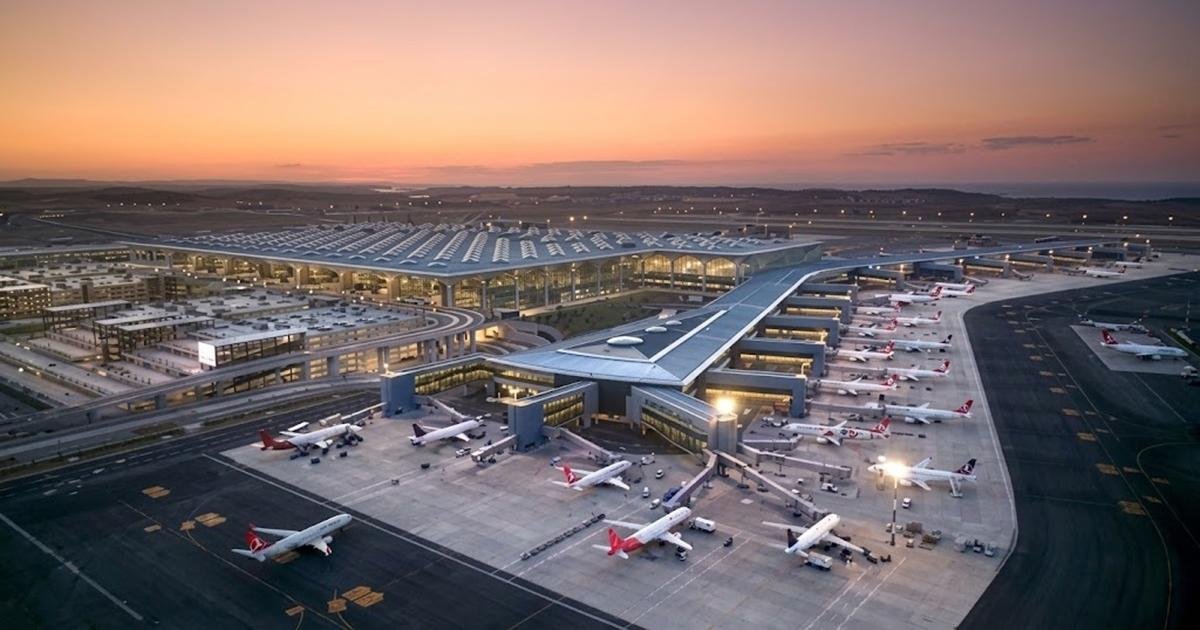
Tourism and better regional connections offer further opportunity. High-speed rail links make travel between Tashkent, Samarkand and Bukhara easier, while roads and air services connect more destinations with international visitors. Guesthouses, guides, artisans, restaurants and cultural events allow tourism income to reach small businesses. Careful management can protect historic places while keeping them active and welcoming.
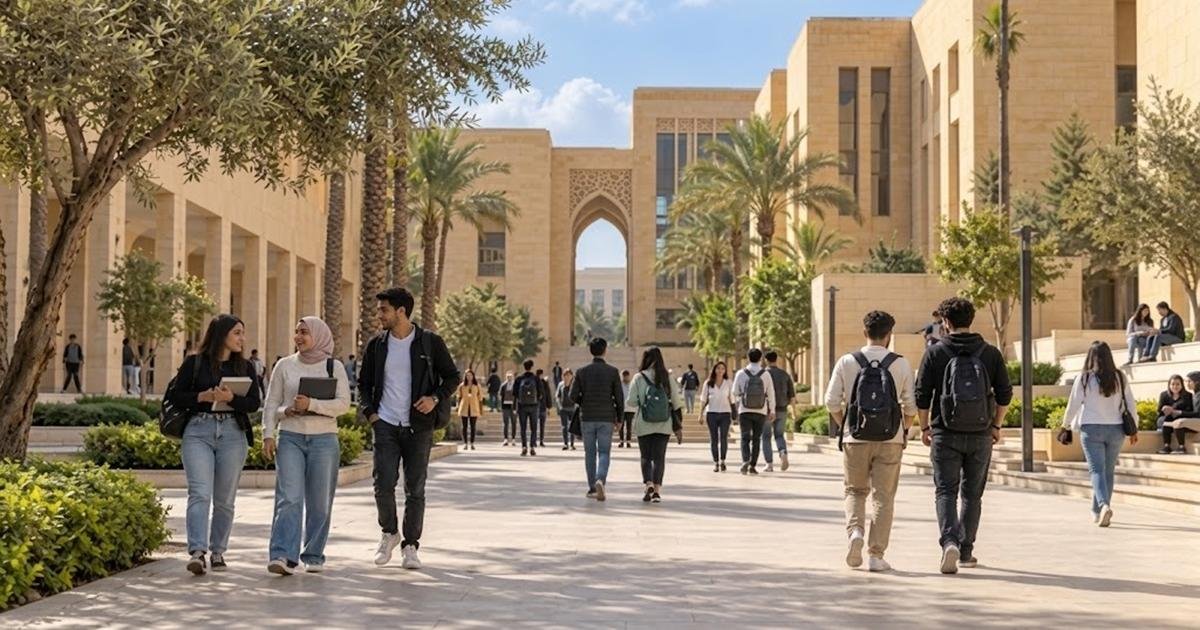
Young people form a large and energetic part of Uzbekistan’s population. Schools, universities, vocational centres and technology programmes are preparing students for work in engineering, medicine, agriculture, tourism, languages, business and digital services. New companies and online platforms give young entrepreneurs ways to serve local customers and enter wider markets. Wider access to training, finance and reliable internet can help turn these ideas into stable employment.
Uzbekistan’s membership in the Organisation of Islamic Cooperation supports relations with countries across the Muslim world. The country’s centres of Islamic learning, historic architecture and scholarly memory give it a respected cultural place within the OIC family. Cooperation can expand in education, research, trade, tourism, food security and preservation of heritage. Independence Day provides a positive setting for strengthening these ties through practical projects and people-to-people contact.
As Uzbekistan celebrates 35 years of independence today, it honours a country where ancient cities and new ambitions belong to the same national story. The anniversary recalls the decision of 1991, celebrates the work of citizens today and places hope in the hands of the young. From Tashkent and the Fergana Valley to Samarkand, Bukhara, Khiva and communities across the country, people share pride in their heritage and confidence in further progress. Uzbekistan enters its next year of independence with hospitality, cultural strength and an open spirit of cooperation with the wider OIC family.
- Business News 114
- Country News 16
- Feature News 64
- International News 234
- Interview News 36
- National News 34