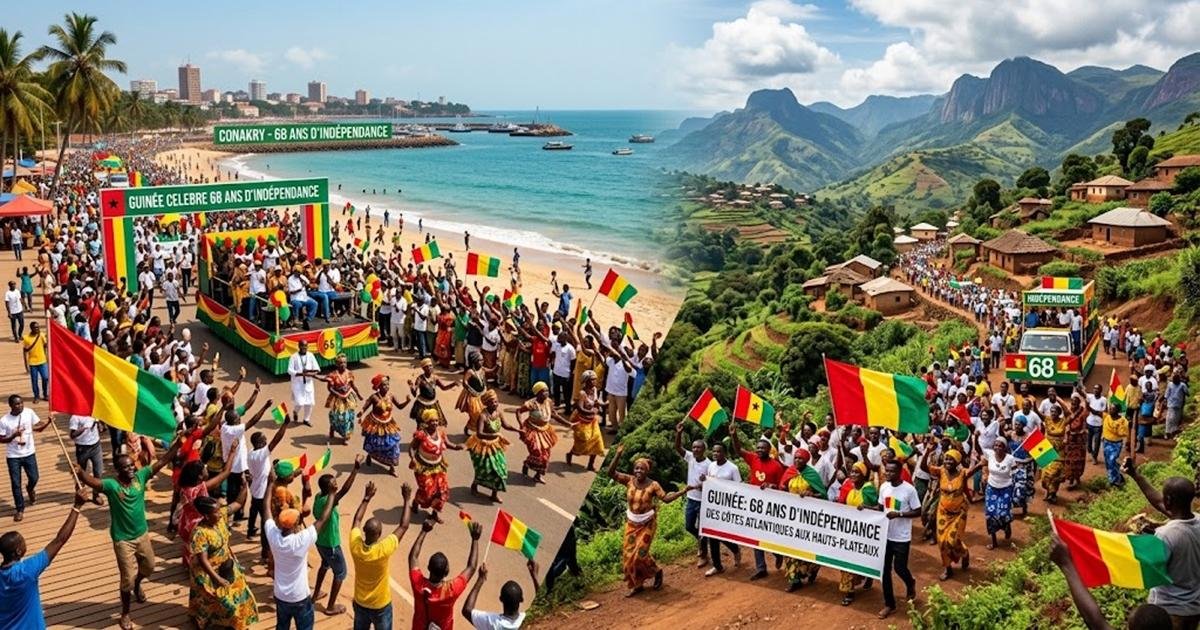




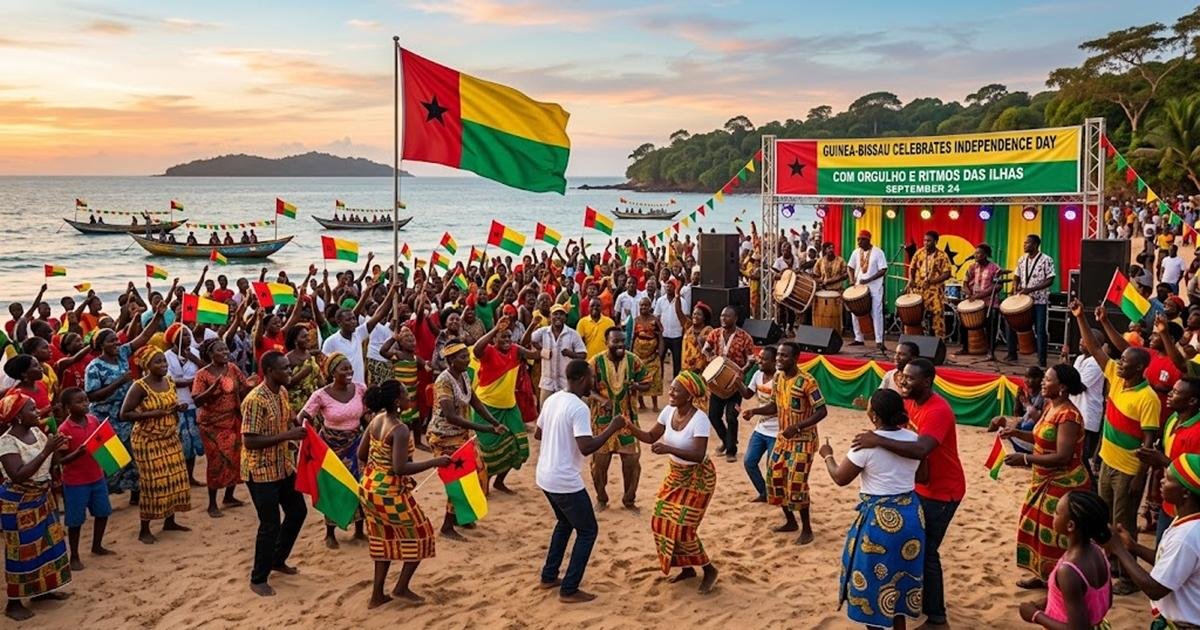
Guinea-Bissau celebrates its 53rd Independence Day today, 24 September, honouring the declaration of independence in 1973. The anniversary is observed through official ceremonies, flags, music and gatherings in Bissau and communities across the country. It remembers the people who worked for national freedom and recognises the value of sovereignty. At the same time, the occasion turns towards unity, peace and the daily effort needed to widen opportunity.
The country achieved international recognition of its independence in 1974, but 24 September remains the national date connected with the declaration and birth of the republic. For citizens, the day belongs to families as well as institutions. Older generations share memories, while young people take part in performances, school activities and public celebrations. This exchange keeps history close without allowing the anniversary to remain only in the past.
Guinea-Bissau is a small West African country with a remarkable relationship to water. Its mainland is crossed by rivers and tidal inlets, while the Bijagós Archipelago extends into the Atlantic with dozens of islands and islets. Mangroves, mudflats, forests and coastal waters support communities and wildlife. Bissau, the capital, is the main urban, administrative and commercial centre.
The Bijagós islands are among the country’s best-known natural treasures. Their beaches and marine habitats support sea turtles, fish, birds and other species, and the archipelago is recognised as a biosphere reserve. Island communities maintain distinctive social customs and knowledge of the sea. Responsible conservation can protect this inheritance while supporting carefully managed tourism and local livelihoods.
Guinea-Bissau’s population includes Balanta, Fula, Mandinga, Manjaco, Papel, Bijagó and other communities. Portuguese is the official language, while Guinea-Bissau Creole is widely spoken and helps people communicate across ethnic and regional lines. African languages remain strong in family and community life. This multilingual character gives the nation a rich store of songs, stories and social traditions.
Music brings particular energy to Independence Day. Gumbe, one of the country’s best-known musical styles, combines percussion, dance and commentary on everyday life. Carnival traditions, colourful clothing and community performance show a society with a strong creative voice. Artisans also work in textiles, basketry, wood and other materials drawn from local experience, supporting household incomes while keeping regional skills visible. Their work adds a personal local touch to markets, family homes and public national celebrations.
Rice is central to diets and agriculture, especially in areas where farmers have developed methods suited to coastal and mangrove environments. Cashew nuts are the leading export and an important source of income for many rural households. Fishing, livestock, fruit and small-scale trade also sustain families. Better processing, storage and market access can help producers retain more value within the country.
The cuisine is shaped by rice, fish, seafood, peanuts, palm oil, vegetables and regional sauces. Meals are often shared, turning food into an expression of community and welcome. Coastal and island areas have especially close links to the sea, while inland recipes reflect farming and pastoral life. During national celebrations, food strengthens the sense that independence is lived around family tables.
Young people form the majority of the population and carry much of the country’s future potential. Schools, vocational training, healthcare and digital connectivity can give them stronger routes into employment and enterprise. Youth are already active in farming, commerce, music, sport and community organisations. Support for their ideas can turn national pride into practical progress.
Islam is followed by a substantial part of the population and has longstanding roots, particularly among Fula and Mandinga communities. Guinea-Bissau’s membership in the Organisation of Islamic Cooperation connects it with partners across Africa, Asia and the Middle East. Cooperation can assist education, agriculture, health, infrastructure and humanitarian development. The country also adds its Lusophone and Atlantic African experience to the OIC family.
As Guinea-Bissau celebrates 53 years of independence today, it honours courage through the warm language of community. Rivers, islands, music and multilingual traditions give the nation an identity that is modest in size but abundant in character. The anniversary invites citizens and friends abroad to recognise both achievement and possibility. With peace, learning and responsible use of natural wealth, Guinea-Bissau can give new strength to the freedom celebrated on 24 September.
- Business News 114
- Country News 16
- Feature News 65
- International News 236
- Interview News 36
- National News 36