



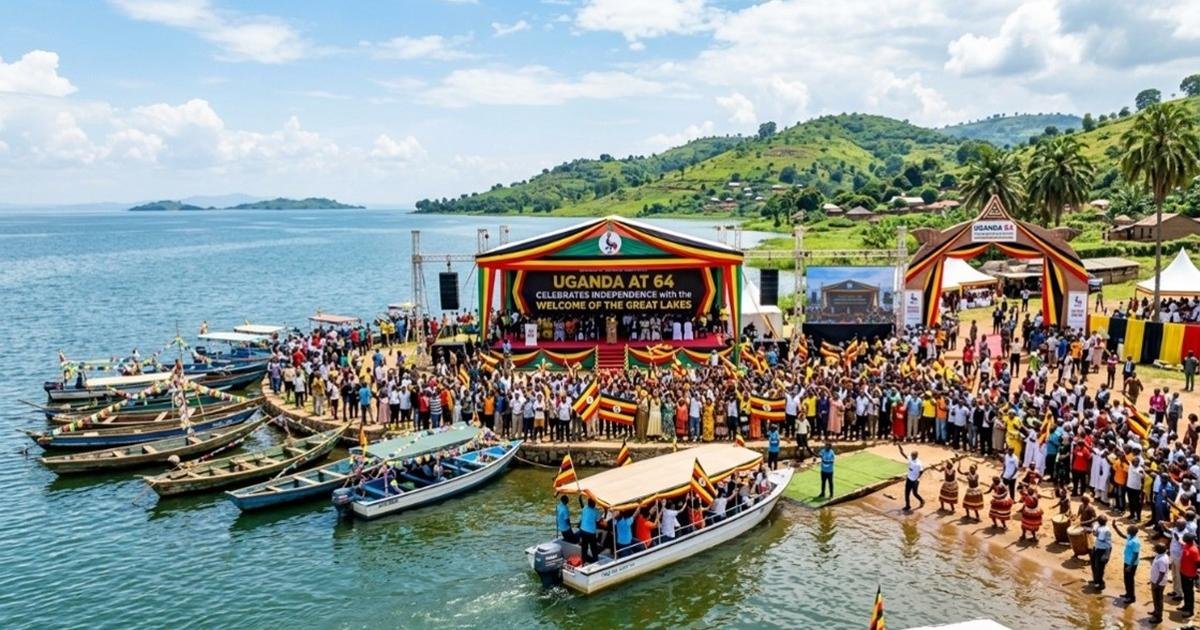
Uganda celebrates its 64th Independence Day today, 9 October, honouring the sovereignty achieved in 1962. The anniversary recalls independence from Britain and recognises the generations who have contributed to national life since then. For citizens at home and abroad, it is an occasion to share pride in the country’s people, culture and natural heritage. The black, yellow and red flag, with its crested crane, gives that shared identity a familiar and welcoming symbol.
Independence Day connects public history with family experience. Memories of earlier anniversaries, school activities and community gatherings help younger citizens understand the meaning of the date. Celebrating Uganda therefore includes gratitude for the work that makes communities stronger and helps children prepare for their own future.
Uganda lies in East Africa’s Great Lakes region, where water, fertile land and highland areas support an exceptional variety of life. Kampala is the capital and a busy centre of administration, commerce and culture. Entebbe sits beside Lake Victoria, while Jinja is closely associated with the Nile’s journey north. Inland towns connect farming areas with markets and regional trade routes.
Its natural beauty has helped make Uganda widely known as the Pearl of Africa. The Rwenzori Mountains rise in the west, while Mount Elgon gives the east another distinctive highland environment. Bwindi Impenetrable National Park is internationally recognised for its forests and mountain gorillas. Wetlands, savannas and other protected areas support birds, mammals and numerous plant species. Caring for these places protects national heritage and the environmental resources on which nearby communities depend.
Tourism offers opportunities that reach well beyond the visitor’s journey. Guides, drivers, accommodation providers, farmers and local producers all contribute to the experience of discovering Uganda. Responsible visits can support livelihoods while encouraging respect for wildlife and community customs. The best exchanges allow visitors to understand the people who live beside celebrated natural places. Conservation becomes stronger when local families can see lasting benefits in protecting the environments they know so well.
Uganda’s cultural life includes many communities, languages and regional traditions. English and Swahili are official languages, while Luganda and numerous other languages remain important in daily communication. Music, dance, dress and oral history express experiences that differ across the country. The Kasubi Tombs in Kampala preserve a significant part of Buganda’s royal heritage and are recognised by UNESCO. Such places help explain national variety through histories that remain meaningful to living communities.
Food adds an immediate sense of welcome. Matooke, made from cooking bananas, has a special place in many households, alongside millet, cassava, sweet potatoes, beans and groundnut sauces. Fish is important near lakes, while dishes such as luwombo reflect particular regional traditions. Street food also has its own appeal, including the rolex, a chapati wrapped around eggs and vegetables. Sharing a meal turns cultural introduction into conversation and friendship, giving national celebration a warm domestic setting.
Agriculture remains essential to employment and household incomes. Coffee is an important export, with both robusta and arabica grown in areas suited to their different needs. Tea, maize, bananas, livestock and other products support markets at home and abroad. Better storage, processing, transport and training can help producers gain more value from their work. Uganda’s farming knowledge is therefore an important national strength, especially when younger people have opportunities to improve production and build related businesses.
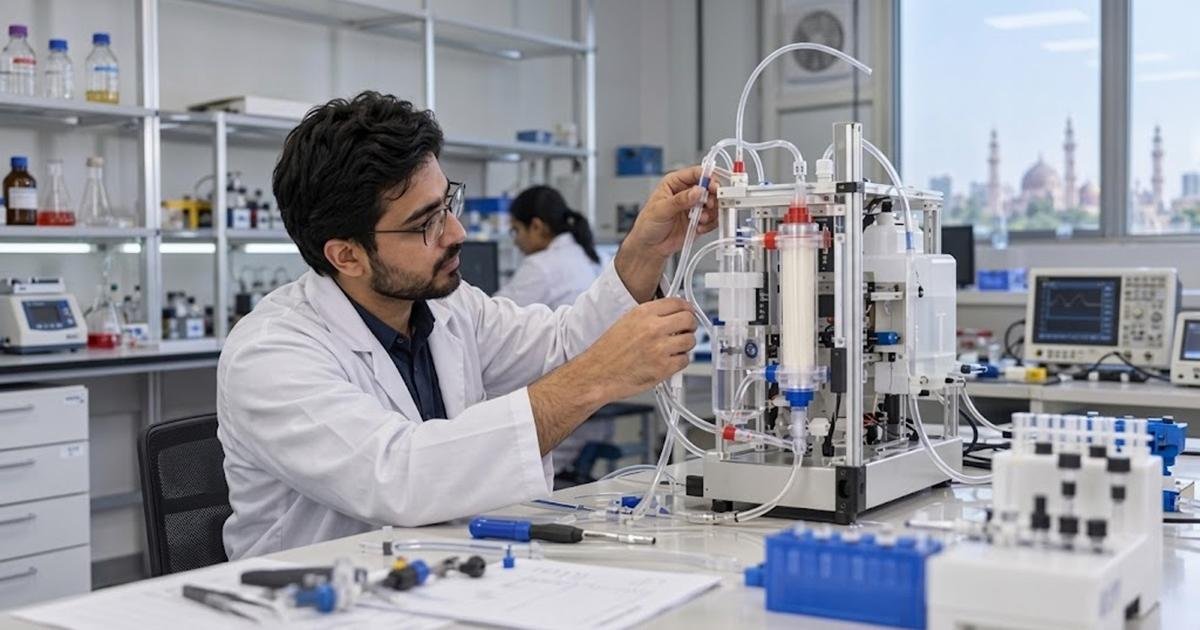
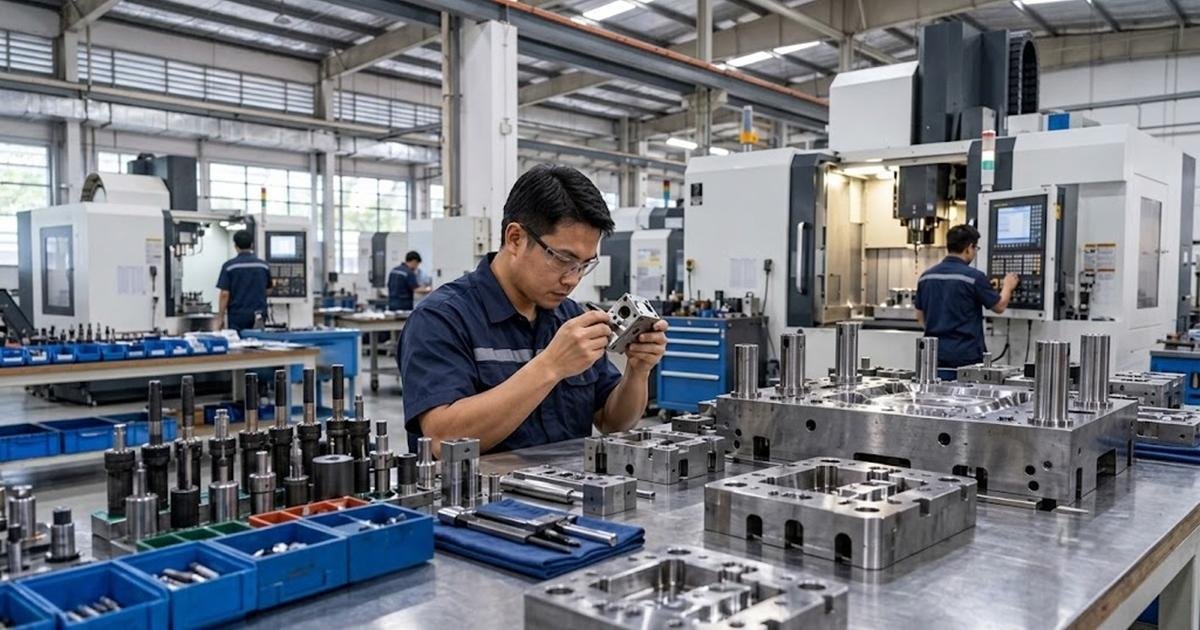
Commerce, manufacturing, tourism and digital services offer further avenues for enterprise. Kampala and other towns contain businesses that meet everyday needs while connecting the country with regional markets. Young Ugandans bring ideas to technology, design, food production and professional services. Education and vocational training help those ideas become dependable sources of work. Women’s contributions across farming, trade, healthcare and education also deserve recognition as part of the country’s national achievement.
Uganda has been a member of the Organisation of Islamic Cooperation since 1974, bringing an East African experience to its wider international relationships. The Islamic University in Uganda is one example of education linked with OIC cooperation. Partnerships in health, agriculture, trade and professional training can offer further practical benefits. Exchange works best when it helps students, workers and communities gain knowledge they can put to use.
Sport provides another occasion for shared pride, with Ugandan runners earning recognition on major international stages. Their achievements reflect personal effort, coaching and support that often begin far from large stadiums. On Independence Day, such success belongs beside the quieter accomplishments of classrooms, workshops and farms. At 64, Uganda celebrates a national home made distinctive by its lakes, cultures and hospitality. Today’s anniversary honours freedom through the continuing work of people who give that home its warmth and promise.
- Business News 113
- Country News 16
- Feature News 64
- International News 233
- Interview News 36
- National News 34