



September 28, 2026
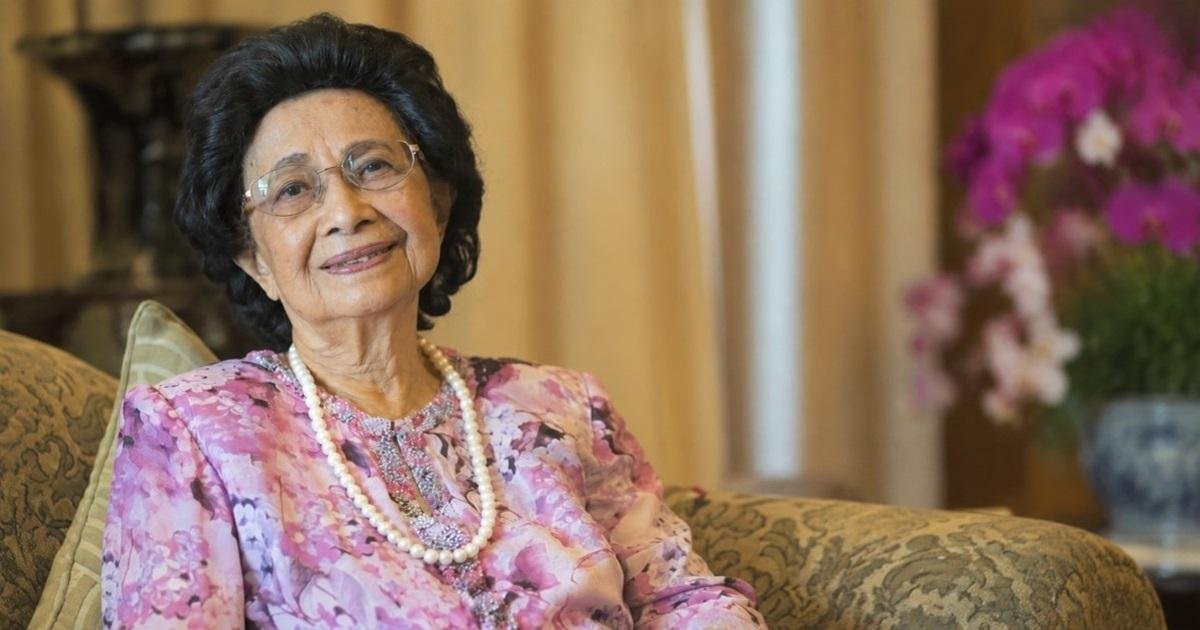
The passing of Tun Dr Siti Hasmah Mohamad Ali at the age of 100 marks the end of a remarkable journey that connected medicine, public service, family devotion and national history. For many Malaysians, she was remembered not only as the wife of former Prime Minister Tun Dr Mahathir Mohamad, but also as a pioneering woman doctor who dedicated much of her life to improving healthcare and supporting communities. Her century-long journey reflected the changing story of Malaysia itself, from the early years after independence to the modern era. OIC Today’s Dr. Abu Sufian writes about the life and legacy of one of Malaysia’s most respected public figures.
A Pioneer Who Entered Medicine When Few Women Did
Born on July 12, 1926, in Klang, Selangor, Siti Hasmah grew up during a period when opportunities for women in professional fields were limited. Her decision to pursue medicine was a significant choice at a time when few women from the region entered the medical profession. She studied at King Edward VII College of Medicine in Singapore and later became one of the first Malay women to qualify as a medical doctor.
Her early career reflected a strong commitment to public healthcare. After completing her studies, she worked in government medical services at a time when Malaysia was still developing its healthcare infrastructure. Her work brought her close to ordinary families, especially mothers and children who needed better access to medical support. She saw healthcare not only as treatment for illness, but also as a way to improve the quality of life of communities.
Siti Hasmah’s medical background remained an important part of her identity throughout her life. Even after she became widely known as the wife of a national leader, she continued to be recognised as a doctor who understood the practical needs of people. Her professional experience shaped her approach to public service, where compassion, prevention and education became important themes.
A Doctor Dedicated to Mothers and Children
Much of Tun Siti Hasmah’s professional contribution was connected to maternal and child healthcare. During her years in government service, she worked to improve health services for women and children, particularly in areas where medical facilities were still developing. She believed that stronger communities began with healthier families.
Her work in public health placed attention on issues such as maternal care, family health education and child wellbeing. At a time when awareness about these areas was still growing, she helped promote the importance of regular healthcare and early medical attention. Her medical career showed that public health improvements often come through consistent work with communities rather than only through major national programmes.
After leaving active government medical service, she continued her involvement in social and health-related activities. She used her public position to encourage awareness about family wellbeing, healthy living and support for vulnerable groups. Her message was often simple: a caring society begins by looking after its people.
Life Beside Malaysia’s Longest-Serving Prime Minister
Tun Siti Hasmah’s personal story was closely linked with that of Tun Dr Mahathir Mohamad. The two met while studying medicine and married in 1956. Their partnership lasted for more than seven decades, covering one of the most important periods in Malaysia’s modern history.
As Mahathir became a major political figure and later Malaysia’s longest-serving prime minister, Siti Hasmah remained a steady presence beside him. She accompanied him during official duties, international visits and public engagements, while maintaining her own identity as a doctor and social contributor. Her role was not limited to ceremonial appearances; she continued to promote causes related to health, education and community welfare.
For many Malaysians, she represented a different model of public life. She combined the responsibilities of a national leader’s spouse with the discipline and values of a medical professional. She rarely sought attention for herself, but her calm presence and humanitarian activities made her a familiar and respected figure.
A Voice for Women’s Health and Social Progress
Beyond her medical career, Tun Siti Hasmah became known for supporting women’s development and family welfare. She encouraged women to pursue education, professional careers and greater participation in society. Her own life served as an example of how women could contribute in fields traditionally dominated by men.
She was involved with several organisations and initiatives focused on health, social development and women’s issues. Through these platforms, she supported efforts to improve awareness and provide assistance to communities. Her approach was practical: identify a social need, encourage cooperation and create solutions that could improve everyday lives.
Her achievements also reflected the progress of Malaysian women over several generations. When she entered medicine, female doctors were uncommon. By the time she reached her later years, Malaysian women had become active participants in medicine, science, education, business and public service. Her journey was part of that wider transformation.
A Century of Family, Service and Simplicity
Despite her public recognition, Tun Siti Hasmah was often described as a person who valued simplicity and family. She and Mahathir raised seven children, including children who later entered professional and business fields. Family remained an important part of her life, even as public responsibilities demanded much of her time.
Those close to her often highlighted her warmth, discipline and sense of responsibility. She carried the experience of a doctor, the duties of a public figure and the responsibilities of a mother with a quiet confidence. Her long life was shaped not only by public occasions but also by daily commitments to family and society.
Her longevity also allowed her to witness extraordinary changes in Malaysia. She lived through the colonial period, independence, national development and the arrival of the digital age. Few individuals have experienced such a wide span of history while remaining connected to public life for so many decades.
The Meaning of Her Legacy
Tun Siti Hasmah’s legacy rests on more than her association with a former prime minister. Her own achievements as a doctor and social contributor created a separate place for her in Malaysia’s national memory. She showed how professional knowledge could be combined with public responsibility.
Her life also carried an important message about service. Large national changes are often supported by individuals who work quietly over many years. A doctor treating patients, a health worker educating families and a community leader encouraging awareness may not always receive immediate recognition, but their efforts shape society.
As Malaysia remembers Tun Dr Siti Hasmah, the country honours a woman who lived through a century of change while remaining committed to care and responsibility. Her journey from a young medical student to one of Malaysia’s most respected public figures reflects determination, discipline and compassion. The hospitals, health programmes and social causes she supported are part of her contribution, but perhaps her greatest influence lies in the example she set for generations of Malaysians.
A life of 100 years is rare, but a life spent serving others is even rarer. Tun Siti Hasmah leaves behind the memory of a doctor who cared for people, a mother who valued family, and a public figure who used her position to encourage kindness and social responsibility. Her passing closes a remarkable chapter, but the values she represented will continue to remain part of Malaysia’s story.
Dr. Abu Sufian writes for OIC TODAY – Business and Investment Magazine. He can be reached at sufian.imon@oictoday.biz
- Business News 114
- Country News 16
- Feature News 66
- International News 237
- Interview News 36
- National News 37