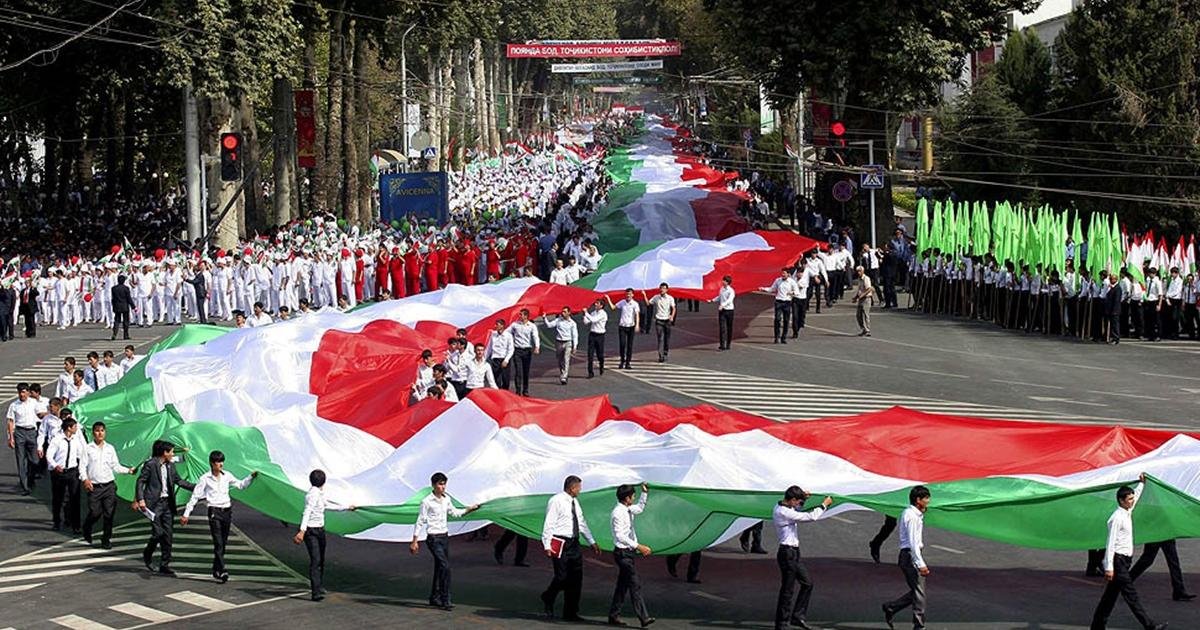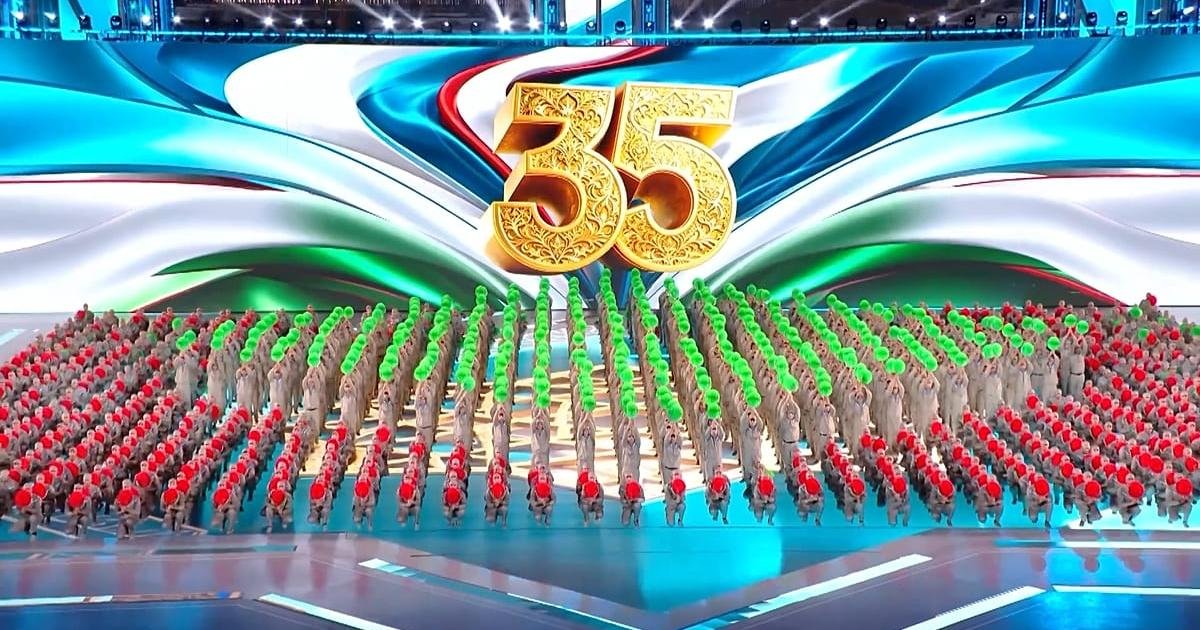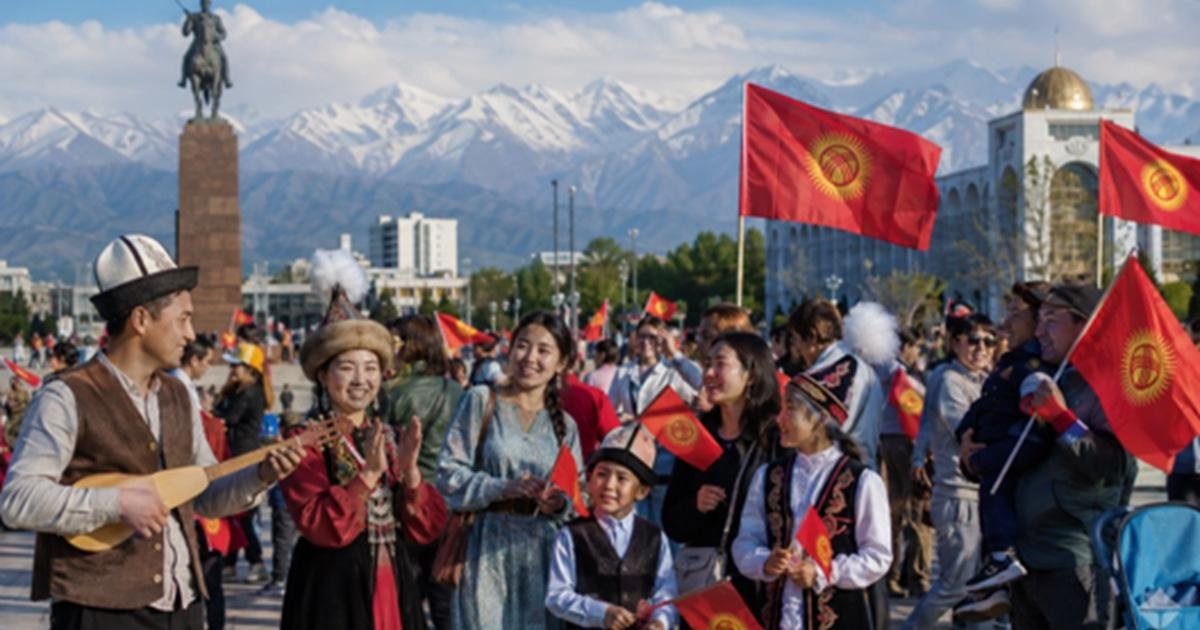




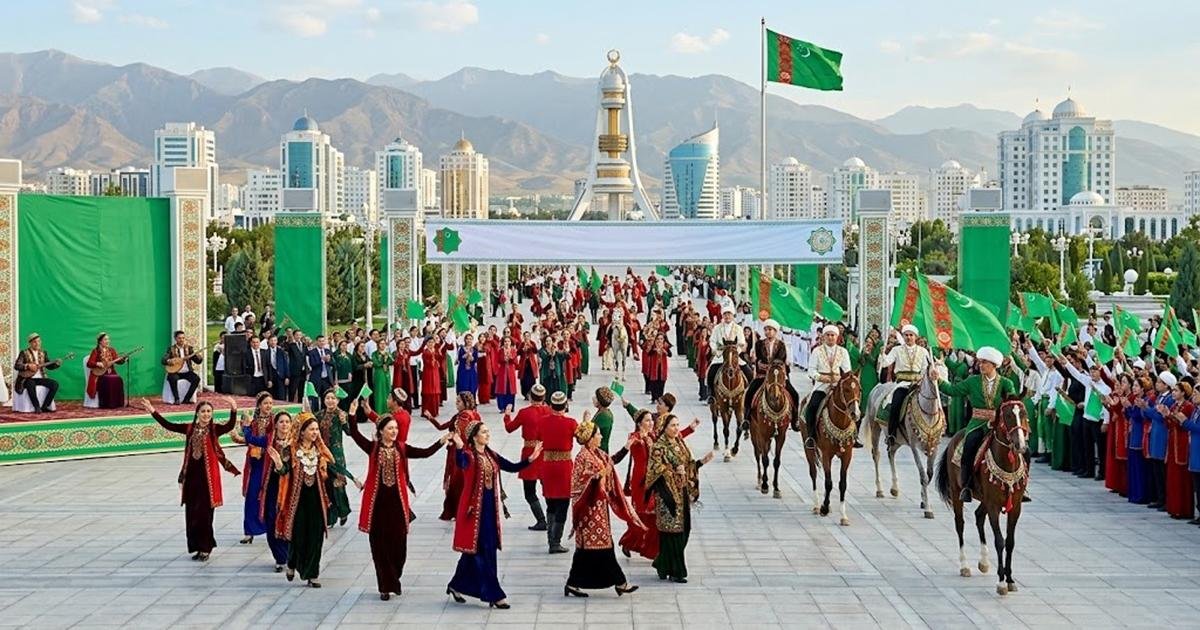
Turkmenistan celebrates its 35th Independence Day today, 27 September, honouring the sovereignty achieved in 1991. The anniversary brings flag ceremonies, concerts, cultural displays and public gatherings to Ashgabat and communities across the country. Citizens celebrate the institutions of an independent state and the traditions that give national life its character. The day combines gratitude for the past with confidence in peaceful development. Neighbours and relatives share greetings that carry the celebration from public squares into homes.
Independence allowed Turkmenistan to represent itself internationally and set its own path in public affairs and economic life. Over 35 years, the country has developed national symbols and large civic celebrations around the anniversary. Families enjoy performances, exhibitions and festive public spaces. Young participants bring special energy, showing that sovereignty gains meaning through the generation that will carry it forward.
Turkmenistan lies in Central Asia between the Caspian Sea and the great expanses of the Karakum Desert. Although much of the territory is arid, oases and river valleys have supported settlement and agriculture for centuries. The Amu Darya flows along part of the eastern region, while the Kopet Dag mountains rise near the southern border. This geography has shaped travel, pastoral life and trade.
The country once stood on routes linking China, Iran, South Asia, the Middle East and Europe. Merv became one of the great cities of the Silk Roads and was known for commerce and learning. Kunya-Urgench and Nisa preserve other chapters of regional history. These archaeological sites place modern Turkmenistan within a broad story of exchange across Eurasia.
Ashgabat, the capital, is recognised for broad avenues, parks and white marble buildings. Beyond the city, towns and villages maintain local forms of hospitality, artisan work and family life. Turkmen is the official language, and Russian and other languages are also used. Poetry occupies an honoured place, especially the work of Magtymguly Pyragy, whose writing is central to cultural identity. Public readings keep this literary bond active.
Turkmen carpets are among the country’s most famous artistic achievements. Their detailed patterns and rich red colours carry regional meanings and demonstrate skills passed through families. Embroidery, jewellery, felt work and traditional clothing add further beauty to public celebrations. These arts are not museum objects alone; they remain present in homes, ceremonies and contemporary design. Their patterns also help younger generations recognise the regional histories carried within a shared culture.
The Akhal-Teke horse is another treasured national symbol. Known for speed, endurance and a distinctive shining coat, the breed reflects generations of careful knowledge and partnership between people and animals. Equestrian displays often form part of major celebrations. The horse expresses elegance and resilience in a way closely associated with the country’s history.
Natural gas is the leading resource in Turkmenistan’s economy and supports energy exports and industry. Agriculture produces cotton, wheat, melons, fruit and livestock, while textiles and food processing add value to domestic production. The Caspian coast offers opportunities in transport, tourism and fisheries. Greater skills, efficient water use and modern logistics can support more varied growth.
Education is essential to preparing young Turkmen citizens for science, engineering, medicine, teaching, agriculture and international exchange. Digital tools are changing the way students learn and businesses communicate. Sport, music and cultural programmes also give young people ways to represent their country. Independence Day celebrates their achievements and the possibilities created by knowledge.
Turkmenistan is a member of the Organisation of Islamic Cooperation and shares historic religious and cultural ties with the Muslim world. Mosques, scholarship, family customs and hospitality reflect these connections. OIC cooperation can support education, trade, science, transport and cultural preservation. Turkmenistan’s location also allows it to serve as a link between Central Asia, the Caspian region and markets farther south.
As Turkmenistan marks 35 years of independence today, it celebrates a nation whose identity has grown between desert, oasis and ancient trade routes. The anniversary honours sovereignty through music, horses, carpets, poetry and the work of citizens in every field. Its natural resources and strategic location create opportunity, while its heritage gives progress a recognisable national voice. On 27 September, Turkmenistan offers its people and friends a celebration of dignity, hospitality and confidence in the future.
- Business News 114
- Country News 16
- Feature News 66
- International News 237
- Interview News 36
- National News 36