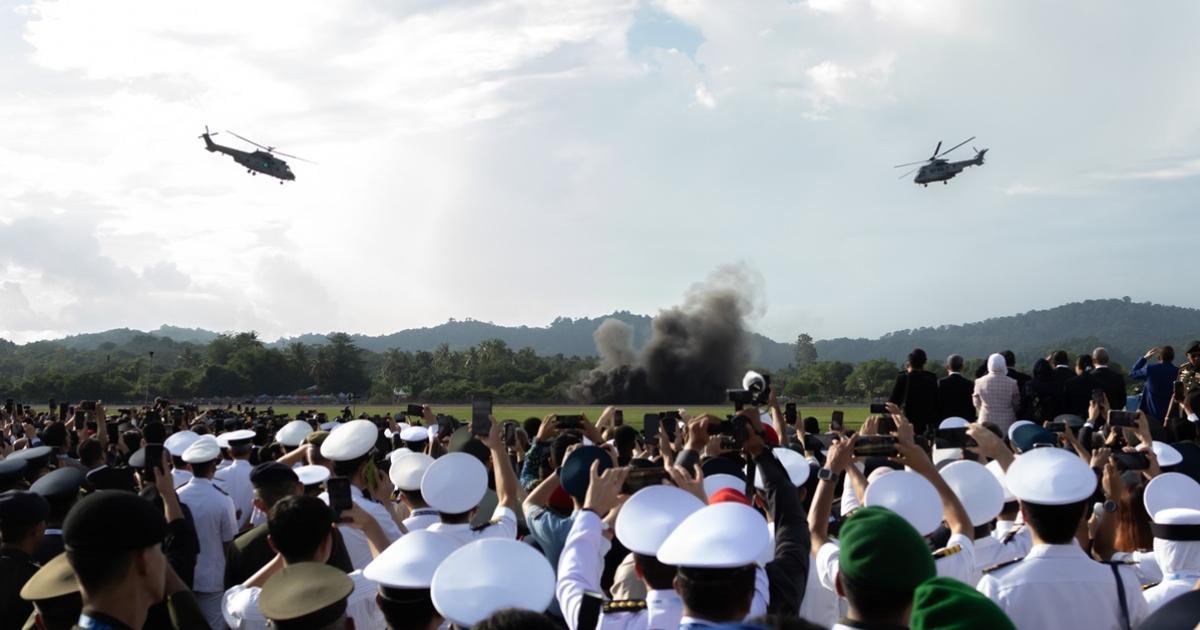




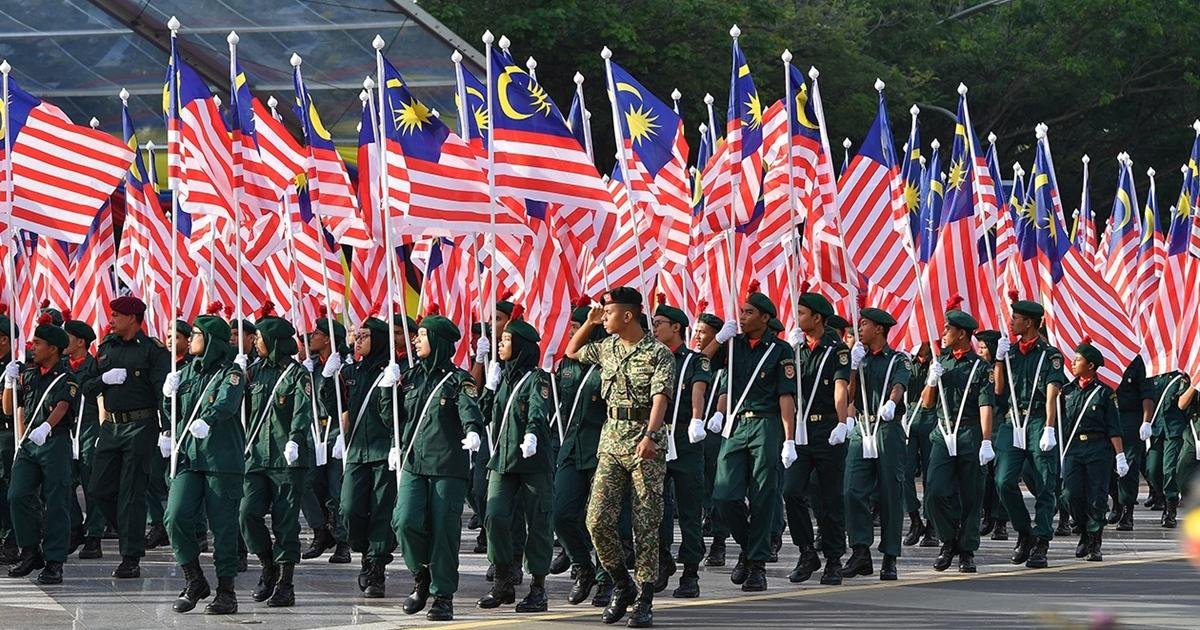
Malaysia celebrates Merdeka Day today, 31 August, marking 69 years since the Federation of Malaya gained independence in 1957. The Jalur Gemilang flies from homes, schools, offices and public spaces as citizens take part in parades, concerts, cultural shows and community gatherings. Dataran Merdeka in Kuala Lumpur remains a central symbol of the occasion, recalling the moment the new national flag was raised. Across the country, the day carries a joyful message of freedom, unity and shared responsibility.
The word “Merdeka” means freedom, and its repeated call remains closely associated with the national celebration. The anniversary honours the leaders and citizens who helped the country begin its independent journey, while keeping the tone focused on togetherness and service. Malaysia Day, observed separately on 16 September, remembers the formation of Malaysia in 1963. Together, the two dates give citizens space to value both independence and the wider federation they share today.
Malaysia has a distinctive geography divided between Peninsular Malaysia and the states of Sabah and Sarawak on the island of Borneo. The South China Sea lies between these two main regions, while busy sea routes connect the country with neighbours and wider international markets. Kuala Lumpur is the national capital and largest city, and Putrajaya serves as the federal administrative centre. Towns, ports, islands, highlands and rural districts each contribute to the country’s social and economic life.
The nation is known for communities with Malay, Chinese, Indian and Indigenous roots, as well as many smaller cultural groups. Bahasa Malaysia is the national language, while English and several Chinese, Indian and Indigenous languages are widely used. Islam is the religion of the federation, and Malaysians of other faiths maintain their own places of worship and celebrations. Daily contact at schools, workplaces, markets and neighbourhood events gives the country a strong habit of living with difference.
Food offers one of the easiest introductions to Malaysian life. Nasi lemak, satay, rendang, laksa, roti canai, noodles, seafood and tropical fruit reflect local ingredients and many cultural influences. Hawker centres, night markets, family kitchens and festive open houses make eating a social experience rather than a private routine. On Merdeka Day, shared meals allow people of different ages and backgrounds to celebrate at the same table.
Malaysia’s natural wealth adds another source of national pride. Tropical rainforests, mangroves, rivers, mountains, islands and coral-rich seas support wildlife, tourism and local livelihoods. Kinabalu, the caves of Gunung Mulu, the historic cities of Melaka and George Town, and many coastal destinations are known far beyond the country. Protecting forests and marine areas remains important for water, food, climate safety and future generations.
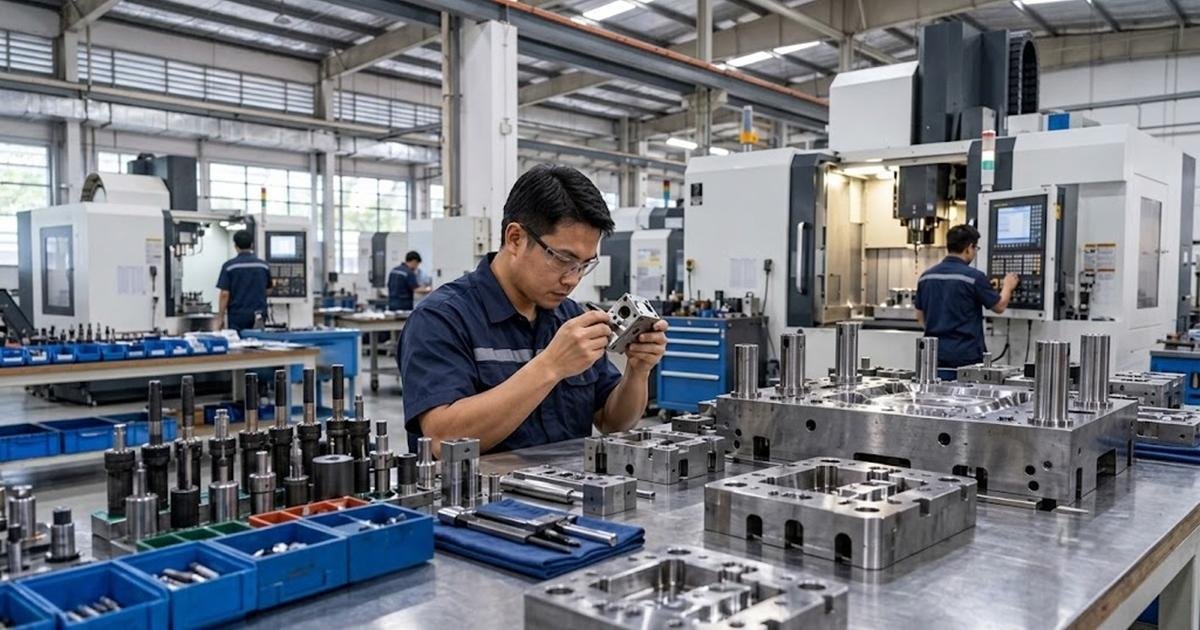
Since independence, Malaysia has grown from an economy based mainly on agriculture and commodities into one supported by strong manufacturing and services. Electronics, machinery, chemicals, palm-based products, energy, finance, tourism and transport all contribute to national activity. Ports and industrial areas connect Malaysian producers with global supply chains, while domestic businesses serve a growing urban population. This economic change is one of the achievements remembered during the Merdeka season.
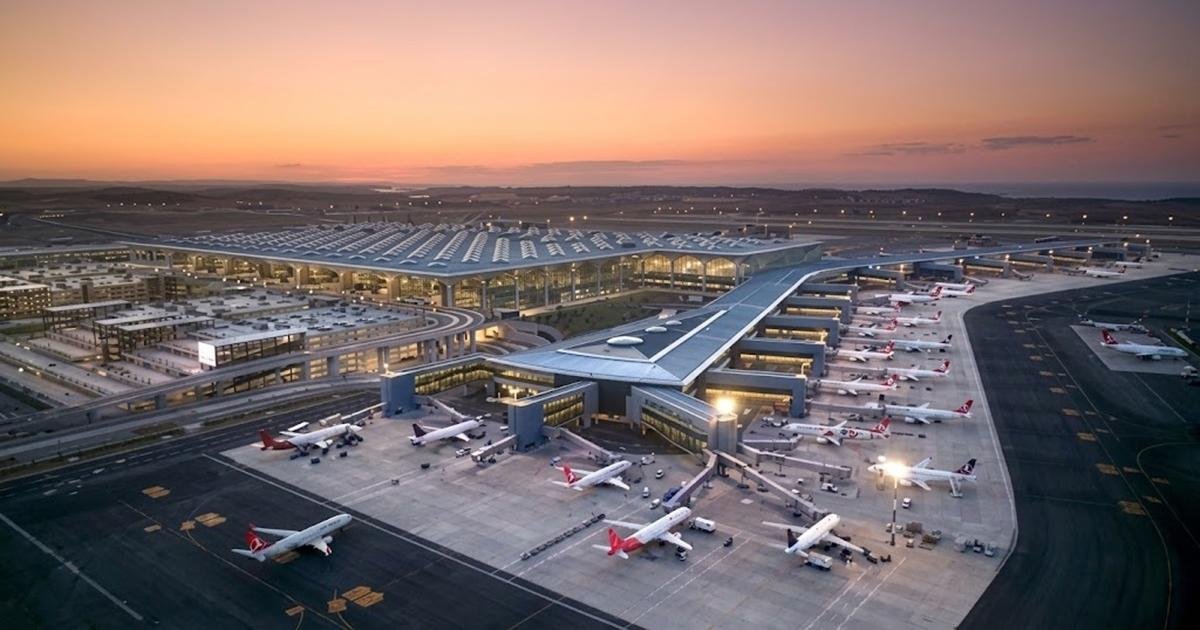
Digital services and modern infrastructure are opening further possibilities. Businesses use online platforms to reach customers, manage payments and take Malaysian products into wider markets. Railways, airports, highways and ports help link the peninsula with international routes, while Sabah and Sarawak add major natural resources, tourism destinations and cultural strengths. Continued investment in skills and reliable services can help more communities take part in future growth.
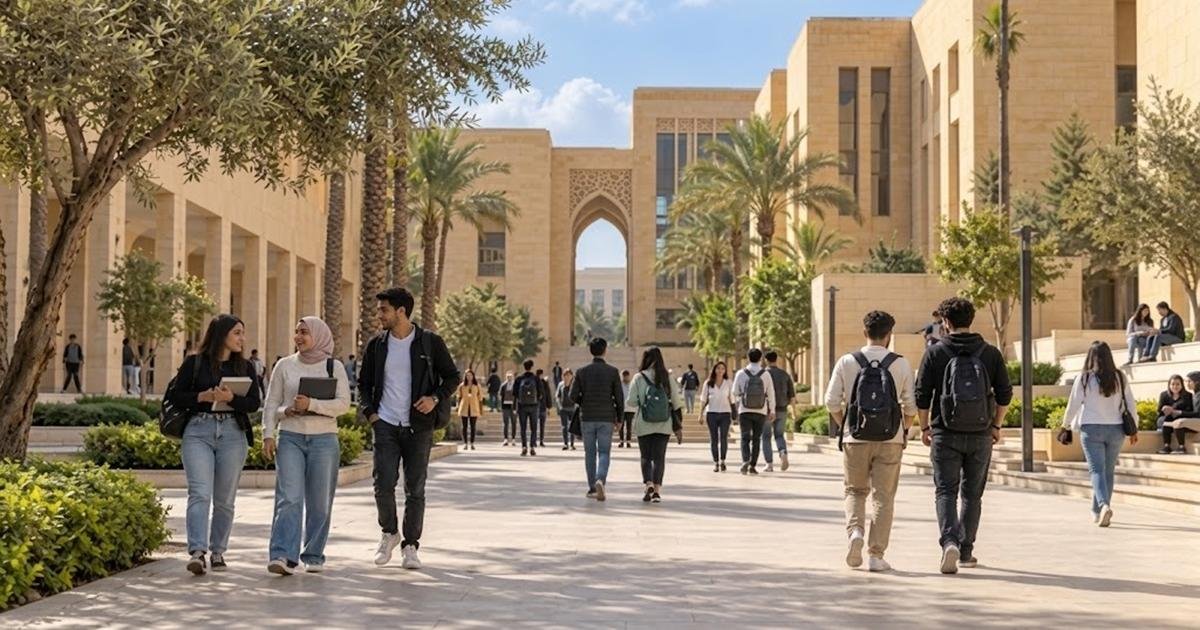
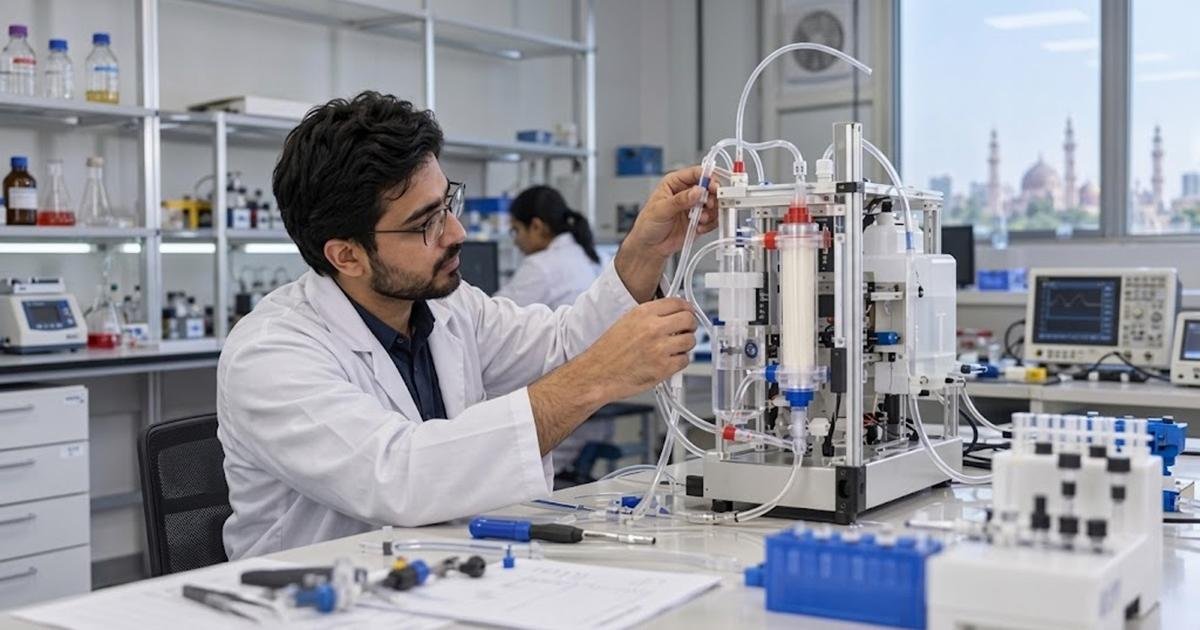
Education remains central to Malaysia’s national plans. Universities, colleges, technical institutes and schools prepare young people for work in science, engineering, healthcare, business, agriculture and the creative fields. Students grow up in a multilingual society and often learn to work across cultural lines from an early age. Their ideas, research and enterprise will influence how the country responds to new technology, environmental needs and changing patterns of employment.
Malaysia also holds an active place in the Organisation of Islamic Cooperation. Its experience in Islamic finance, halal industries, education, trade and multicultural community life offers useful areas for exchange with other member states. Cooperation through the OIC can support scholarships, business links, tourism, science and social welfare. Merdeka Day allows Malaysians to celebrate national achievement while renewing friendship across the wider Muslim world.
As Malaysia marks Merdeka Day today, the country celebrates freedom through the values of unity, respect and useful work. The anniversary honours the achievement of 1957 and the generations that have expanded education, industry, services and cultural confidence since then. From Kuala Lumpur to Sabah, Sarawak and communities across the peninsula, citizens raise the flag with pride in a nation built by many hands. Malaysia enters another year of independence with a warm welcome to the world and a strong commitment to shared progress within the OIC family.
- Business News 114
- Country News 16
- Feature News 64
- International News 234
- Interview News 36
- National News 34