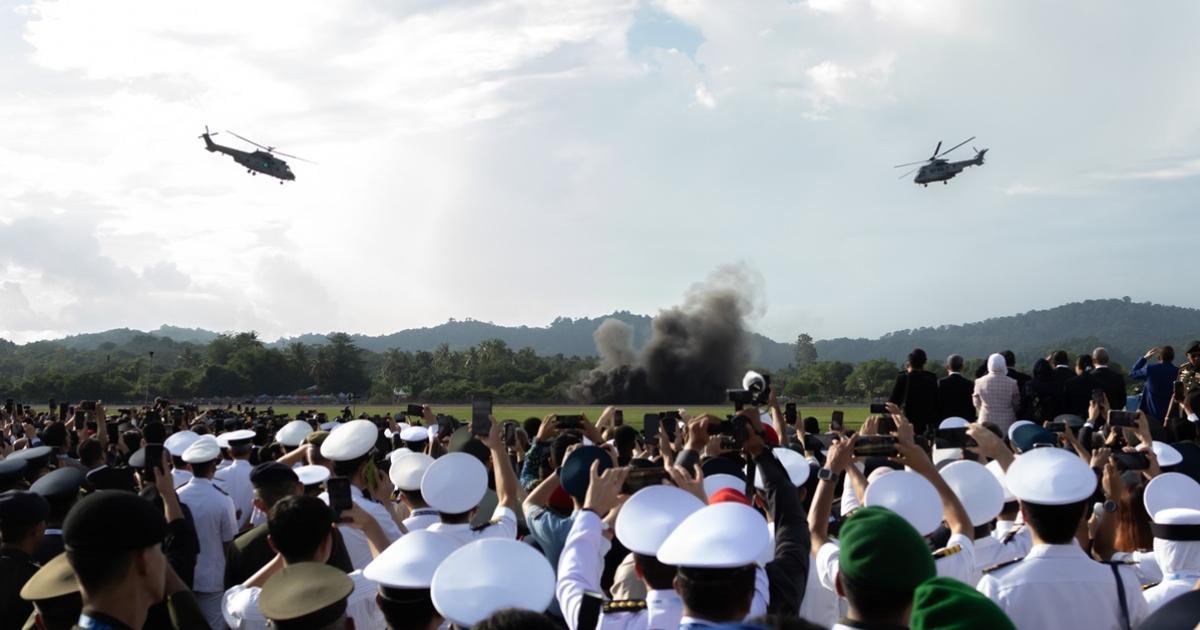




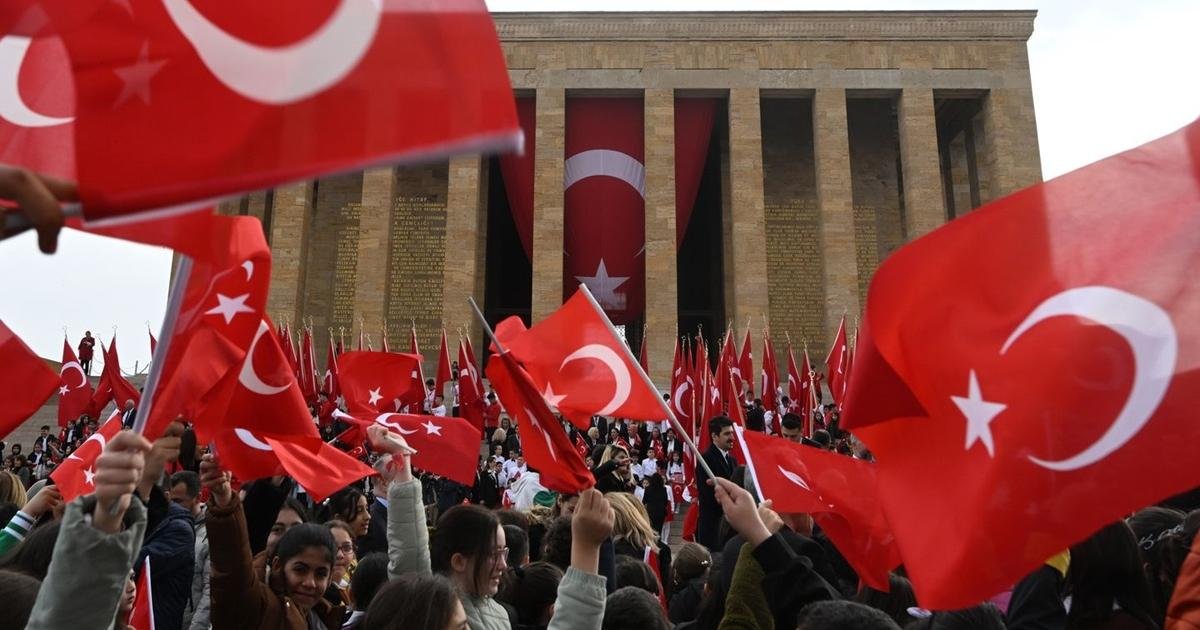
Türkiye celebrates Victory Day today, 30 August, marking the 104th anniversary of the Great Victory of 1922. Across the country, red flags brighten streets, public buildings, homes and town squares as citizens honour a defining moment in the struggle for independence. Official ceremonies, concerts, community programmes and family gatherings give the day a proud but welcoming spirit. From Ankara and Istanbul to cities along the Aegean, Mediterranean and Black Sea coasts, the occasion brings people together in shared remembrance.
The day recalls the final stage of the Great Offensive, which ended in victory at Dumlupınar on 30 August 1922 under the leadership of Mustafa Kemal Atatürk. That success helped secure the country’s independence and opened the way for the establishment of the Republic in 1923. Victory Day therefore honours the service and sacrifice of earlier generations without losing sight of the responsibilities of the present. It reminds citizens that national freedom gains lasting meaning through unity, work and care for the common good.
Türkiye occupies a distinctive place between Asia and Europe, with most of its territory in Anatolia and a smaller part in Thrace. The country is bordered by the Black Sea, the Aegean Sea and the Mediterranean, while the Turkish Straits connect important regional waterways. Ankara is the capital and centre of national administration, while Istanbul is the largest city and a major centre of trade, finance, education and culture. This geography has made Türkiye a meeting place for travellers, merchants and ideas over many centuries.
The country’s heritage reaches across ancient Anatolian civilisations, the Roman and Byzantine periods, the Seljuk era, the Ottoman centuries and the modern republic. Historic areas of Istanbul, the rock formations and settlements of Cappadocia, the ruins of Ephesus and the ancient site of Göbekli Tepe are among its widely recognised treasures. Mosques, churches, caravanserais, bridges, bazaars and traditional houses preserve the work of builders and artists from different periods. They also support tourism, scholarship and local livelihoods today.
Turkish cultural life is expressed through language, music, poetry, dance, cinema, design and a strong tradition of hospitality. Regional customs give each part of the country its own character, from Black Sea folk music and Aegean dances to the food traditions of central and southeastern Anatolia. Shared tables may include bread, soup, grilled dishes, vegetables, olive oil, pastries, tea and sweets prepared in many local ways. On Victory Day, these everyday customs add warmth to public celebrations and family visits.
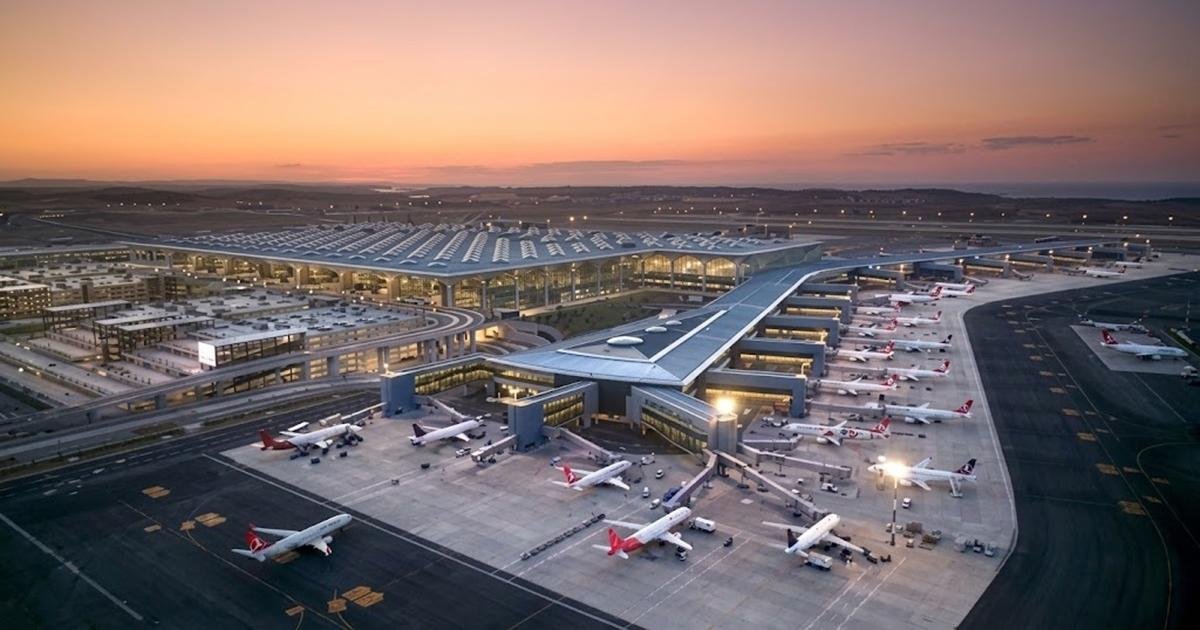
Modern Türkiye has a broad economy supported by manufacturing, agriculture, construction, transport, tourism, finance and other services. Its factories produce vehicles, machinery, household appliances, textiles, food products and many other goods for domestic and international markets. Ports, airports, railways and road networks help connect producers with customers across Europe, Asia, the Middle East and Africa. Small businesses and family enterprises remain important alongside large companies and industrial centres.
Young people stand at the centre of Türkiye’s hopes for the years ahead. Universities, vocational schools, research centres and technology parks prepare students for work in engineering, health, agriculture, digital services, design and the creative industries. Young entrepreneurs are building businesses that combine local knowledge with new tools and wider markets. Their energy gives Victory Day a future-facing meaning, because independence is strengthened when each generation can learn, contribute and improve daily life.
Türkiye has been a member of the Organisation of Islamic Cooperation since the organisation was established. Through the OIC family, it works with fellow member countries in trade, education, science, culture, development and humanitarian support. Its universities, businesses, public institutions and civil society groups maintain many links across the Muslim world. Victory Day also offers a moment to value friendship and practical cooperation with these partners.
The anniversary carries a message that reaches beyond ceremonies. It asks citizens to remember the discipline, courage and collective effort that helped secure national freedom, then apply those qualities to education, public service, business and community life. It also celebrates a country whose cultural heritage and modern abilities stand side by side. National pride becomes most useful when it encourages respect, responsibility and opportunity for all.
As Türkiye marks Victory Day today, the nation honours 104 years since the achievement remembered on 30 August. The flags, songs and gatherings express gratitude to the past, confidence in the people and hope for continued national progress. From the capital to coastal towns and inland communities, citizens share a day rooted in independence and unity. For the wider OIC family, Türkiye celebrates as a long-standing partner with a strong history, an active society and a clear desire for shared advancement.
- Business News 113
- Country News 16
- Feature News 64
- International News 233
- Interview News 36
- National News 34