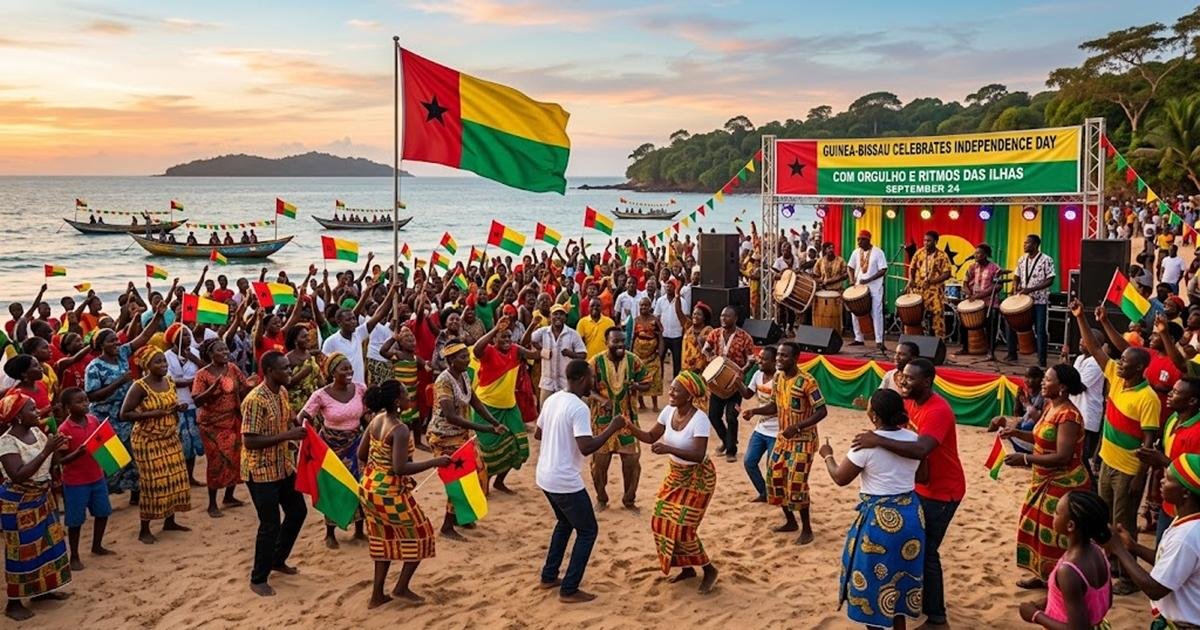




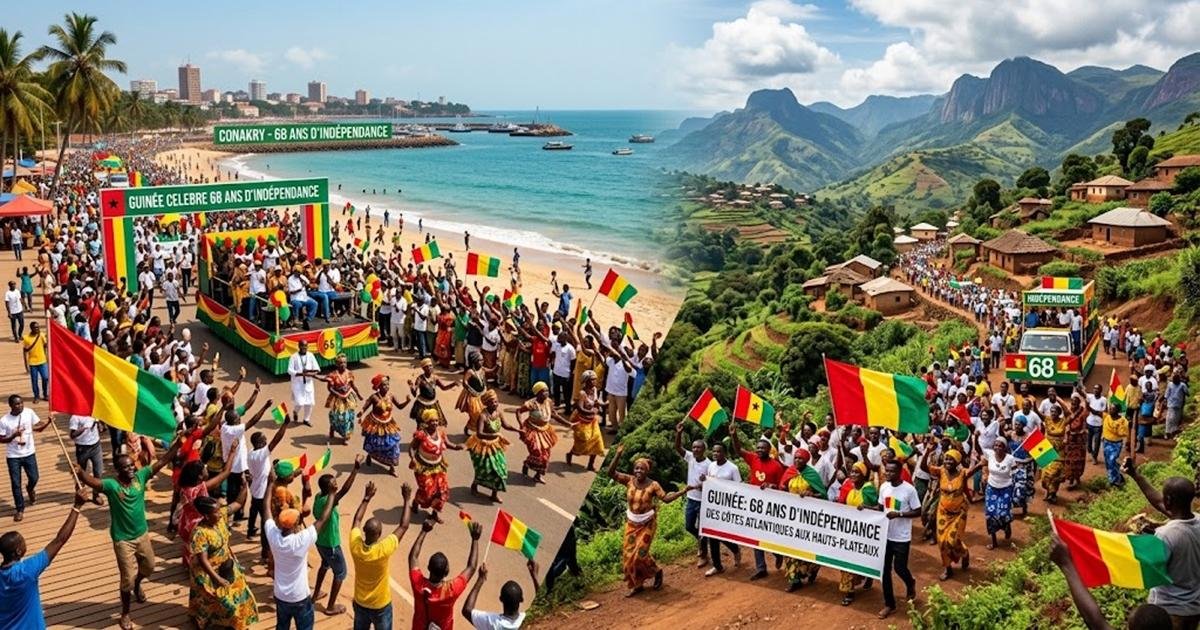
Guinea celebrates its 68th Independence Day today, 2 October, remembering the proclamation of sovereignty in 1958. The anniversary honours a national achievement and the generations whose work has carried the country forward. Across communities at home and among Guineans abroad, it is an occasion to express belonging through greetings, music and the colours of the national flag. The day also introduces the wider world to a country of generous hospitality, rich artistic traditions and valuable natural resources.
The historical importance of the date is clear. Guinea became independent from France on 2 October 1958, establishing its own republic and a new place in international affairs. Today, that history can be shared through family memories, school lessons and community activities. The anniversary gives younger citizens a chance to understand what sovereignty means in daily life.
Guinea lies on West Africa’s Atlantic coast, with Conakry serving as its capital and principal port city. The country is commonly described through four natural regions: the coastal area, the Fouta Djallon highlands, the upper interior and the forest region in the southeast. Each has its own patterns of settlement, farming and cultural life.
Water is among Guinea’s most important gifts to its neighbours. The Fouta Djallon highlands supply rivers that support communities across West Africa, including the headwaters of the Gambia and major tributaries of the Senegal River. The Niger also begins in Guinea’s highlands farther south. These waters connect local environmental care with the wellbeing of people far beyond the country’s borders. Protecting forests, soils and springs therefore serves both national livelihoods and regional cooperation.
Guinea’s people bring many languages and traditions to public life. French is the official language, while Pular, Maninka, Susu and other national languages are widely spoken in homes and communities. Oral histories, proverbs and songs carry knowledge between generations, often through stories linked to families and places. Independence Day offers a welcoming setting in which that variety can be appreciated with respect and pride.
Music is one of Guinea’s most recognisable contributions to the world. Djembe drumming, dance and the work of performers associated with regional musical traditions have introduced international audiences to Guinean rhythms. Ensembles such as Les Ballets Africains helped bring national performance to stages abroad. Today, older musical forms sit beside contemporary sounds and new recording methods. For young artists, this inheritance offers a foundation for expression, professional work and cultural exchange.
The warmth of Guinean hospitality is also present around the table. Rice is a staple, served with sauces that may include peanuts, vegetables, fish or meat, according to local preference and availability. Coastal communities have close links with fishing, while inland cooking reflects farming and livestock traditions. Markets supply fruit, grains and other produce that connect towns with rural households. Shared meals during national occasions give celebration an ordinary, human setting where guests quickly feel welcome.
Guinea is a major producer of bauxite, the mineral used to make aluminium, and also has gold and substantial iron ore resources. Agriculture remains essential to household livelihoods through rice, maize, cassava, fruit and other crops. Fishing, commerce and services provide further sources of work. The strongest long-term opportunities come when production supports local skills, better processing and dependable infrastructure. National resources can offer wider benefits when communities gain useful employment and reliable access to markets.
The country’s natural heritage deserves equal attention. Mount Nimba, shared with neighbouring countries, is known for exceptional plant and animal life and includes a UNESCO-listed nature reserve. The Fouta Djallon’s waterfalls and walking routes provide another introduction to Guinea’s beauty. Careful tourism can create work for guides, accommodation providers and local producers. Conservation also protects the water and productive land on which communities depend, giving environmental care a practical place in national development.
As a member of the Organisation of Islamic Cooperation since 1969, Guinea shares longstanding religious and cultural ties with the wider Muslim world. Cooperation in education, agriculture, health and trade can help connect national priorities with partner experience. The country’s young population gives these relationships particular value through scholarships, training and professional exchange. Guineans bring their own knowledge in music, community life and regional water stewardship to those conversations. Partnerships become meaningful when they reach people beyond official meetings.
Today’s Independence Day belongs to a country whose character is expressed through Atlantic trade, highland waters and the confidence of its people. Sixty-eight years after sovereignty, Guinea honours its national memory while recognising the work that continues in classrooms, farms, workshops and family businesses. The anniversary invites citizens and friends abroad to celebrate a culture that remains generous and distinctive. Its lasting promise is the chance for more Guineans to learn, contribute and share in the country’s progress.
- Business News 115
- Country News 16
- Feature News 66
- International News 240
- Interview News 36
- National News 37