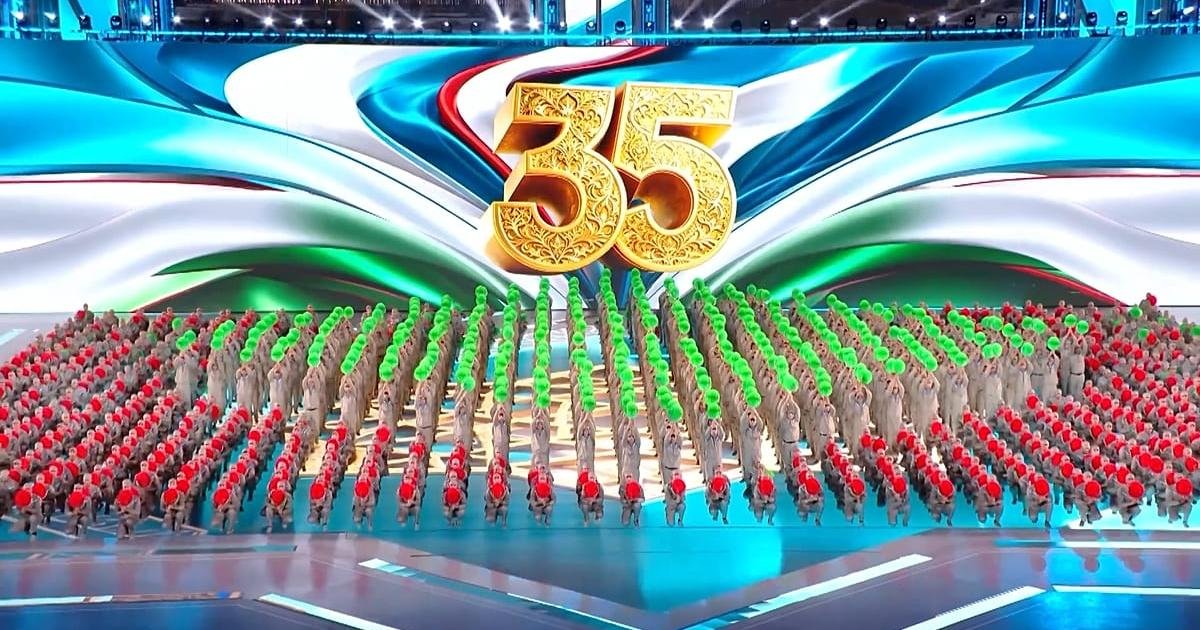




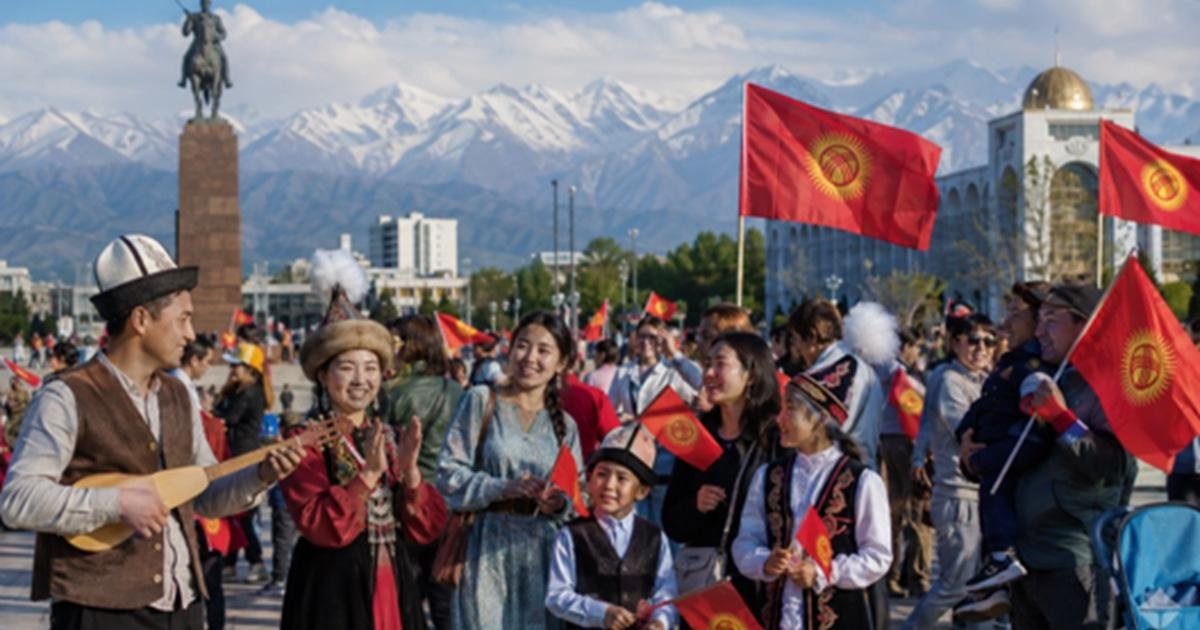
Kyrgyzstan celebrates Independence Day today, 31 August, marking 35 years since the country became an independent state in 1991. The red national flag appears across Bishkek and regional centres as citizens gather for ceremonies, concerts, cultural programmes and community events. Music, dance and public performances bring families into the celebration, while official observances honour the country’s journey. The day is both a remembrance of sovereignty and a confident statement of national identity.
Independence Day gives citizens an opportunity to consider what they have built together over three and a half decades. It honours the efforts of earlier generations and recognises the daily contribution of teachers, farmers, workers, artists, entrepreneurs and public servants. For many families, the occasion is also personal, filled with visits, shared meals and time in public spaces. The celebration connects national history with ordinary life in every province.
Located in the heart of Central Asia, Kyrgyzstan is known for a mountainous territory shaped mainly by the Tien Shan and Pamir ranges. Snow-covered peaks, high valleys, rivers, alpine pastures and clear lakes give the country a powerful natural character. Bishkek, the capital, lies near the northern mountains and serves as the main centre for government, education, culture and business. Other cities and towns connect farming areas, trade routes and communities across the country.
Lake Issyk-Kul is one of Kyrgyzstan’s best-known natural features and an important part of tourism and local life. Its broad blue waters are surrounded by mountain scenery, towns, villages and summer pastures. Elsewhere, Song-Kul, Sary-Chelek and many valleys offer space for herding, hiking, horse riding and nature-based travel. Protecting these places is closely tied to clean water, rural income and the future of local communities.
Kyrgyz culture carries strong links to nomadic life, horsemanship and the seasonal movement of families and livestock. The yurt remains a familiar national symbol, while felt carpets, embroidery, leatherwork, woodwork and traditional clothing preserve skills passed from one generation to the next. The epic of Manas holds a special place in national memory and continues through oral performance, study and public celebration. These traditions remain active rather than confined to museums.
The country is home to several communities whose languages and customs add variety to national life. Kyrgyz is the state language, and Russian also has official status, while other languages are spoken within families and local areas. Islam has an important place in society, alongside respect for different beliefs and community traditions. Hospitality, respect for elders and support within extended families remain widely valued.
Food gives Independence Day another friendly and familiar character. Beshbarmak, plov, manti, laghman, boorsok, dairy products and tea appear at tables in different combinations across the country. Many dishes reflect pastoral life, local grain, meat and vegetables, as well as Central Asia’s long history of travel and exchange. A shared meal often turns a formal holiday into a warm gathering among relatives, neighbours and guests.
Kyrgyzstan’s economy is supported by agriculture, livestock, mining, trade, construction, services and the income created by small businesses. Farmers and herders produce meat, milk, wool, grain, fruit and vegetables, while local processing can help communities earn more from these products. The country’s rivers offer major potential for hydropower, and its mountains and lakes provide a strong base for responsible tourism. Better transport, reliable energy and modern services can widen opportunity beyond the largest cities.
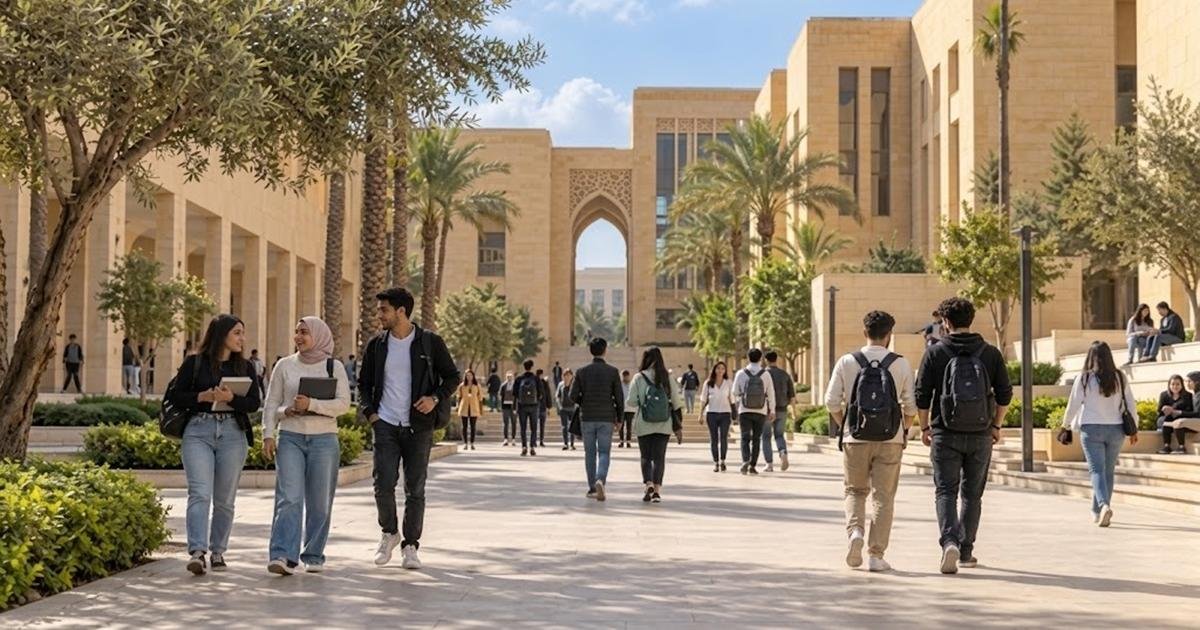
Young citizens are an important source of national confidence. Schools, universities and vocational institutions are preparing students for work in technology, medicine, engineering, tourism, agriculture and business. In Bishkek and other urban centres, young people are using digital tools to start companies, sell local products and reach new audiences. In rural areas, practical training can help connect inherited knowledge with improved farming, services and environmental care.
Kyrgyzstan’s membership in the Organisation of Islamic Cooperation strengthens its links with countries across Asia, the Middle East, Africa and beyond. Cooperation within the OIC can support education, trade, food security, tourism, cultural exchange and social development. The country’s mountain economy, youthful population and Central Asian location give it useful experience to share. Independence Day is a fitting time to renew these friendships and seek practical benefits for citizens.
As Kyrgyzstan celebrates 35 years of independence today, it honours a nation shaped by high mountains, open pastures, strong family ties and a living cultural memory. The anniversary recalls the decision of 1991 while placing responsibility in the hands of today’s citizens. From Bishkek to Issyk-Kul and communities across the valleys, people share pride in what has been achieved and hope for wider opportunity. The country enters its next year of independence with confidence in its people, care for its natural wealth and friendship with the wider OIC family.
- Business News 114
- Country News 16
- Feature News 64
- International News 234
- Interview News 36
- National News 34