



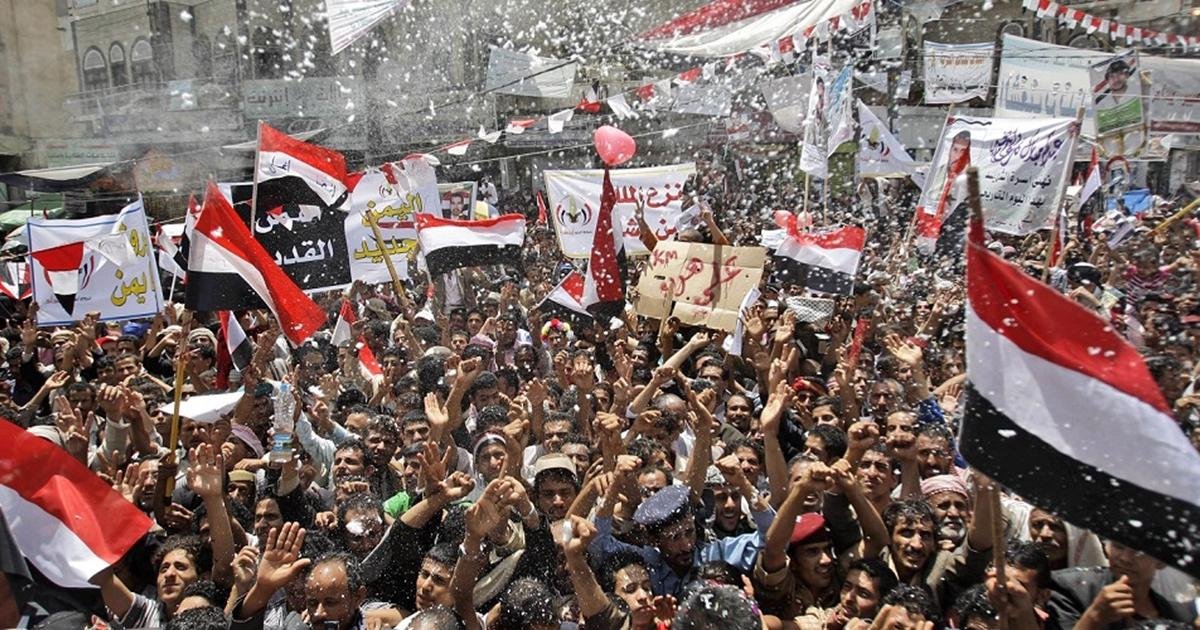
Yemen observes Revolution Day today, 26 September, commemorating the 1962 revolution in northern Yemen and the beginning of the Yemen Arab Republic. Sixty-four years later, the date remains an important part of the national calendar. Flags, cultural programmes and messages of remembrance express respect for those who sought a new public future. The occasion is best understood today through the shared hopes of dignity, education, peace and a better life for every family.
National anniversaries carry added emotional weight when people have endured hardship. For Yemenis at home and abroad, 26 September can be a moment to affirm the bonds of history and culture that remain stronger than division. It offers space to remember change without turning celebration into political argument. The day’s positive message belongs to citizens who continue to teach, heal, create, trade and care for their communities. Their quiet persistence keeps national life moving and gives remembrance a human face.
Yemen occupies the southwestern corner of the Arabian Peninsula, facing both the Red Sea and the Gulf of Aden. Its position near major maritime routes has connected it with East Africa, the wider Arab world and the Indian Ocean for centuries. Mountain highlands, coastal plains, deserts and islands create unusual environmental variety. Terraced fields climbing steep slopes are among the country’s most memorable sights.
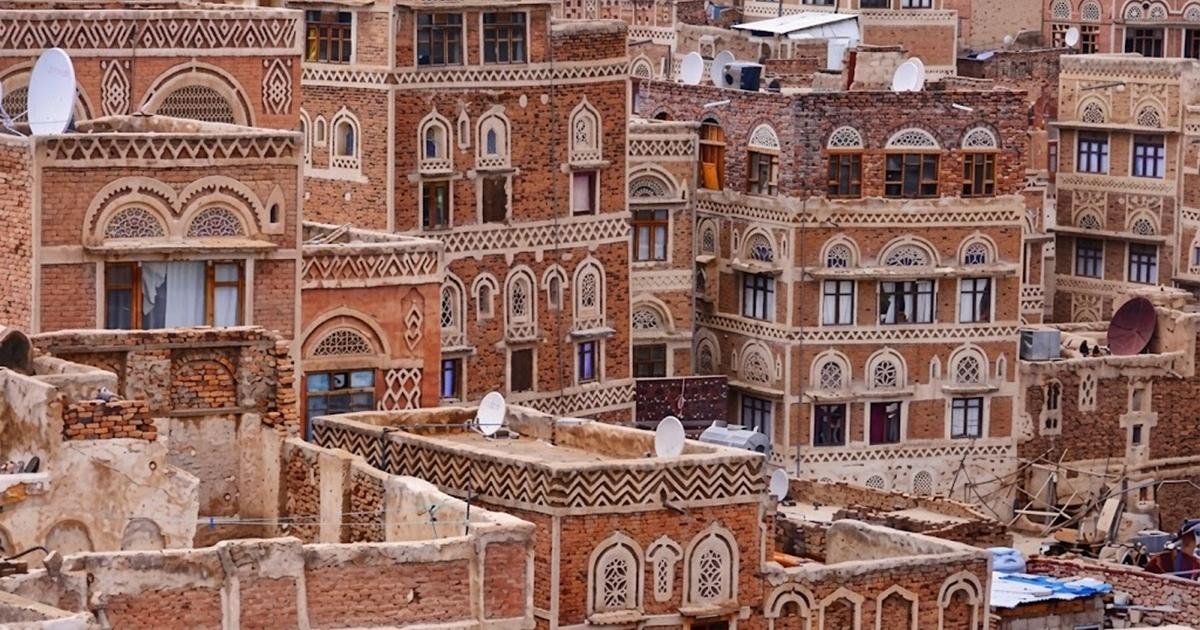
Sana’a is known for tower houses decorated with white gypsum patterns and windows of coloured glass. The old city reflects generations of skilled building suited to a highland environment. Shibam in Hadramawt is famous for tall mud-brick structures, while Zabid has a long history of scholarship. Socotra, with plant and animal species found nowhere else, adds another extraordinary part to Yemen’s natural and cultural heritage.
The country’s history reaches back to ancient kingdoms that prospered through agriculture and trade in incense and other valuable goods. The remains of Marib and stories associated with the ancient south continue to inspire interest. Yemen later became an important centre of Islamic scholarship, commerce and navigation. Its ports and caravan routes carried ideas as well as products across regions.
Coffee has a special connection with Yemen. The port of Mocha gave its name to a drink known worldwide, and highland farmers developed distinctive coffee traditions over generations. Honey, particularly from Hadramawt, is another prized product. These goods reflect careful local knowledge and offer possibilities for high-value agriculture and international trade.
Yemeni cuisine is generous and regional. Saltah, mandi, breads, rice, meat, vegetables and spiced dishes appear in homes and restaurants, while tea and coffee accompany conversation. Architecture, silverwork, embroidery, poetry and music preserve regional identity. Social gatherings show the humour, courtesy and hospitality for which Yemenis are widely known.
Agriculture supports rural life through coffee, fruit, grains, vegetables and livestock, despite limited water. Fisheries along long coastlines can provide food and employment when managed responsibly. Small businesses and crafts remain important sources of income. Restoring infrastructure, schools, health services and reliable energy is essential to allowing these sectors and communities to recover. Recovery can also reconnect local producers with customers at home and abroad.
Yemen’s young people deserve particular recognition on Revolution Day. Many continue their studies, learn digital skills, volunteer and build small enterprises under difficult conditions. Their persistence is a national resource. Opportunity for them depends on peace, safe education, healthcare and connections to wider markets and knowledge.
Yemen is a founding member of the Organisation of Islamic Cooperation and has deep historical ties across the Muslim world. Those links are visible in scholarship, migration, pilgrimage, commerce and family connections. The OIC community can support humanitarian needs, education, cultural preservation and economic recovery. Yemen, in return, offers a heritage that belongs to the wider history of Islam and global trade.
As Yemen observes Revolution Day today, the most meaningful celebration is one that places people and peace first. The anniversary recalls a major change in modern history, yet its present value rests in hope for schools that remain open, markets that prosper and families that feel secure. Yemen’s ancient cities, mountain farms, islands and ports show a country of exceptional depth. On 26 September, Yemenis honour their national memory while looking towards renewal shaped by dignity, compassion and common purpose.
- Business News 114
- Country News 16
- Feature News 65
- International News 236
- Interview News 36
- National News 36