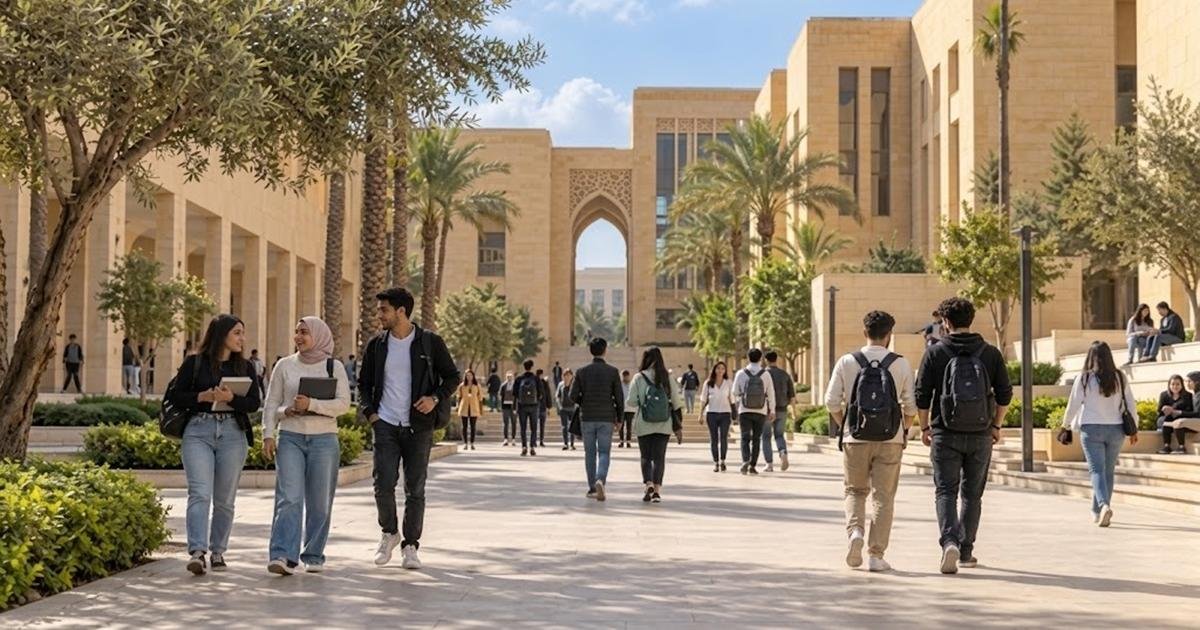




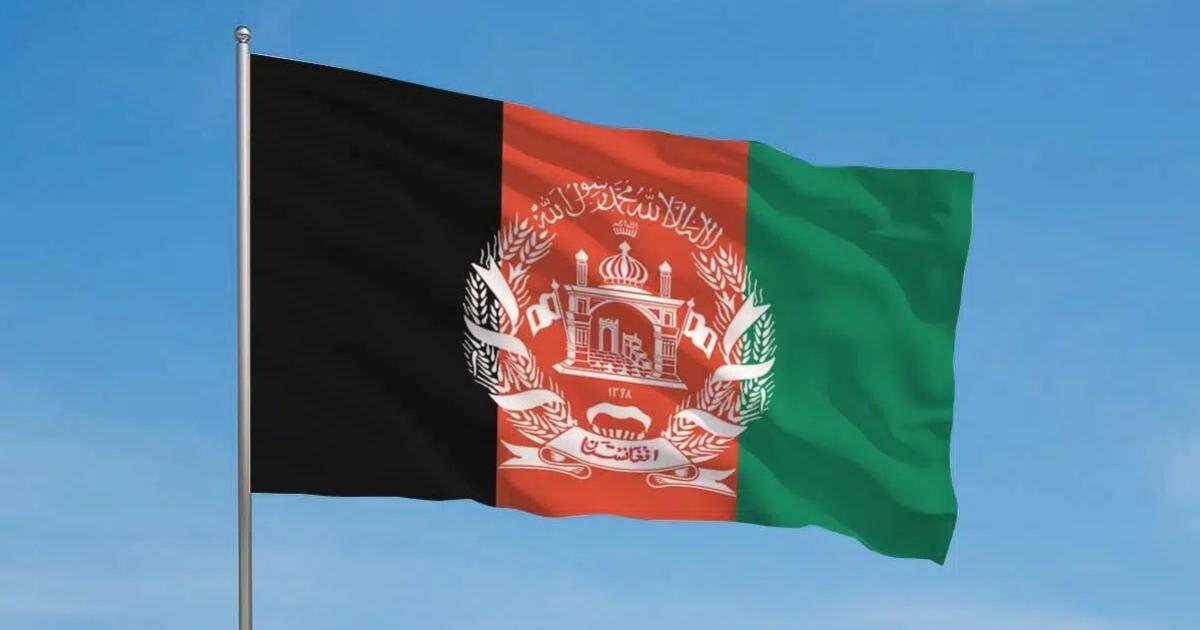
Afghanistan observes Independence Day today, 19 August, recalling the restoration of full control over its foreign affairs in 1919. The date is associated with the country’s independence under Amanullah Khan after the Third Anglo-Afghan War and the agreement reached with Britain. For Afghans, the anniversary carries memories of sovereignty, dignity and a strong desire to determine the nation’s own course. Communities and families at home and abroad remember the day through national messages, gatherings and expressions of cultural pride.
Afghanistan’s history reaches far beyond the events of 1919. For centuries, its towns and mountain passes connected Central Asia, South Asia, Persia and the wider Middle East. Traders, scholars, poets and travellers moved through the region, bringing goods and ideas while local communities developed their own distinct traditions. Independence Day offers a moment to recognise this long national story and the endurance of the Afghan people.
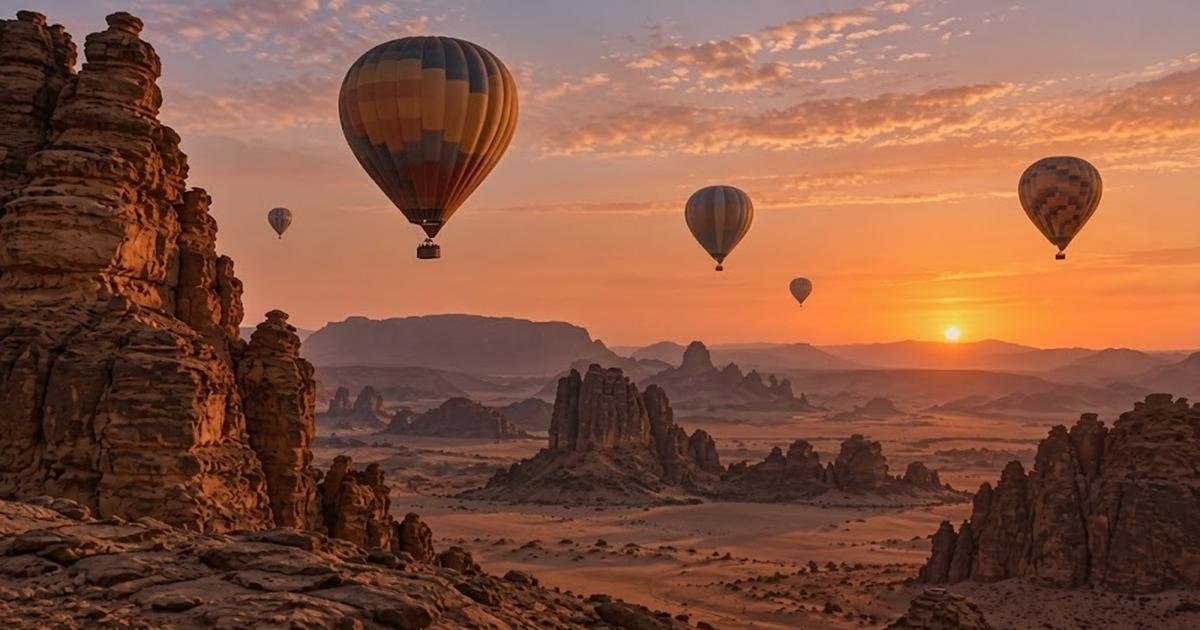
The Hindu Kush mountains shape much of the country, creating high valleys, river systems and routes that have influenced settlement for generations. Afghanistan also includes broad plains, deserts and fertile areas where farming communities have built their lives. Kabul, Herat, Kandahar, Mazar-i-Sharif and other cities each carry a different historical and cultural character. From snow-covered peaks to orchards and drylands, the country’s geography is demanding yet striking.
Afghanistan is home to many communities and languages. Dari and Pashto are widely spoken, alongside Uzbek, Turkmen, Balochi, Nuristani, Pashai and other languages. Poetry, proverbs and oral storytelling hold a special place in social life, while hospitality remains one of the country’s most recognised values. Meals shared around bread, rice, meat, fruit and tea often turn family and community gatherings into lasting memories.
The country’s cultural heritage is visible in architecture, music, carpets, embroidery, calligraphy, ceramics and woodwork. Herat has long been associated with literature, learning and fine arts, while the Minaret of Jam reflects the skill of builders from many centuries ago. Bamiyan carries archaeological and cultural importance, and historic mosques, shrines, forts and bazaars appear across the country. Protecting these places and traditions helps younger generations understand the depth of Afghan identity.
Agriculture remains central to livelihoods, with wheat, grapes, pomegranates, melons, apricots, almonds and other crops grown in different regions. Afghan saffron and dried fruits have earned recognition in international markets, while carpets remain valued for their patterns and careful handwork. Small businesses, transport, trade and services support many families. Better access to markets, electricity, finance and training can help local producers increase income and create jobs.
Afghanistan’s location gives it the potential to reconnect trade routes across the wider region. Roads, rail links and energy projects can help move goods between Central and South Asia while giving Afghan businesses access to larger markets. Such connections can benefit farmers, transport workers, traders and local industries. Peaceful commerce and practical regional cooperation can turn geography into a source of shared prosperity.
Education and skills are vital to Afghanistan’s future. The country has a young population whose ability, ambition and resilience can support recovery and long-term progress. Teachers, health workers, engineers, entrepreneurs and community leaders all contribute knowledge needed in daily life. Support for learning, public health and local enterprise can help families build greater security and hope.
Afghanistan is part of the Organisation of Islamic Cooperation, where cooperation can address urgent needs as well as long-term goals. OIC member states and institutions can support education, health, food security, humanitarian assistance, cultural preservation and economic exchange. Scholarships, professional training and partnerships between universities can widen opportunities for Afghan youth. The country’s history and location also allow it to contribute valuable cultural and regional knowledge to the wider OIC community.
Afghans living outside the country remain closely connected to their homeland. Many support relatives, share professional knowledge, preserve language and traditions, and introduce Afghan food, poetry and art to new communities. On Independence Day, these bonds become especially visible through gatherings and messages across borders. The global Afghan community adds energy, experience and care to the country’s hopes for the future.
As Afghanistan observes Independence Day today, it honours a defining moment from 1919 and the larger national story around it. The occasion celebrates a people known for courage, hospitality, cultural depth and devotion to home. It also invites hope for peace, learning, opportunity and stronger connections with neighbours and partners. Across the OIC family, the day offers a chance to congratulate the Afghan people and stand beside their wish for a secure and prosperous future.
- Business News 115
- Country News 16
- Feature News 66
- International News 240
- Interview News 36
- National News 37