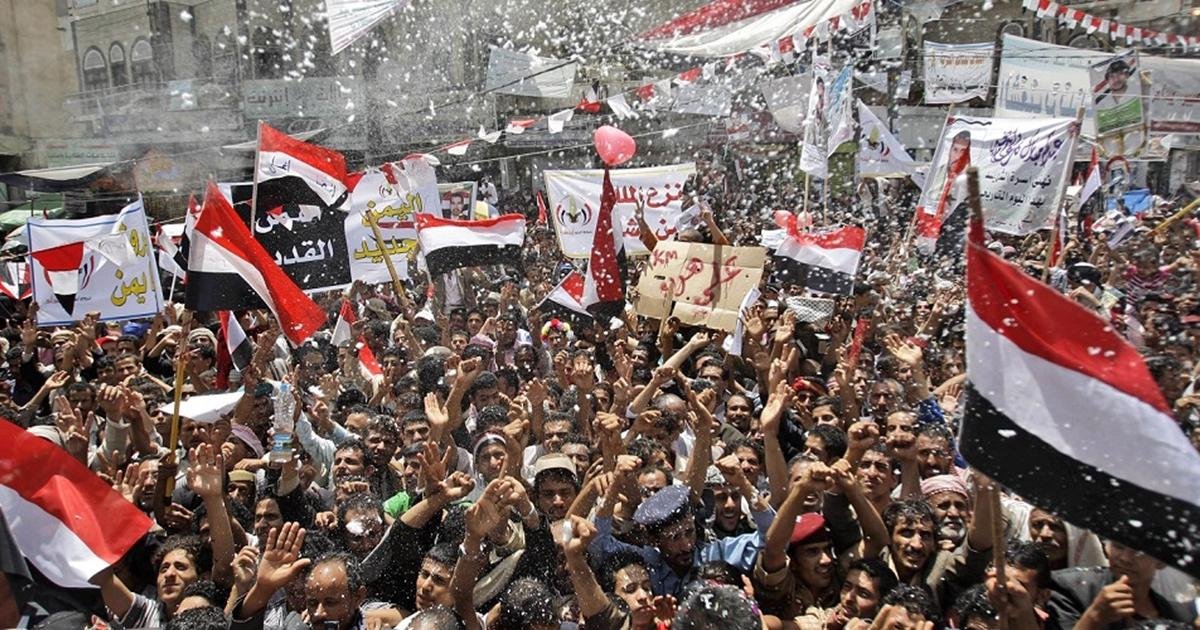




Yemen marks the 14 October liberation anniversary today, recalling the movement that began in the Radfan mountains in 1963. Sixty-three years later, the occasion honours a significant chapter in the country’s national memory and the people who sought self-rule. Often called the 14 October Revolution, it commemorates the start of a movement rather than the date independence was achieved. The anniversary also invites appreciation of Yemen’s cultural generosity, local knowledge and hopes for peaceful community life.
The historical distinction gives the day its proper meaning. The events of 14 October 1963 began a struggle against British rule in the south, followed by independence on 30 November 1967. Today’s remembrance can recognise that history without becoming a political argument. The enduring human message is a wish for dignity and opportunity in the lives of ordinary people.
Radfan’s mountains place the anniversary close to the country’s remarkable geography. Yemen includes highland terraces, coastal plains, desert areas and islands, each supporting distinct forms of work and settlement. Its shores face the Red Sea and the Gulf of Aden, connecting it with major maritime routes. These waters have carried goods, travellers and ideas between Arabia, East Africa and the Indian Ocean for centuries. The country’s identity is deeply connected with those regional exchanges.
Aden holds a special place in the October story and in Yemen’s wider commercial history. Its harbour and position beside sea routes helped make it an important port with links to many communities abroad. Elsewhere, Hadramawt is known for distinctive towns, architecture and families whose connections extend across the Indian Ocean. Yemeni communities overseas maintain ties through visits, food, language and support for relatives. Such relationships keep national culture close even when home is far away.
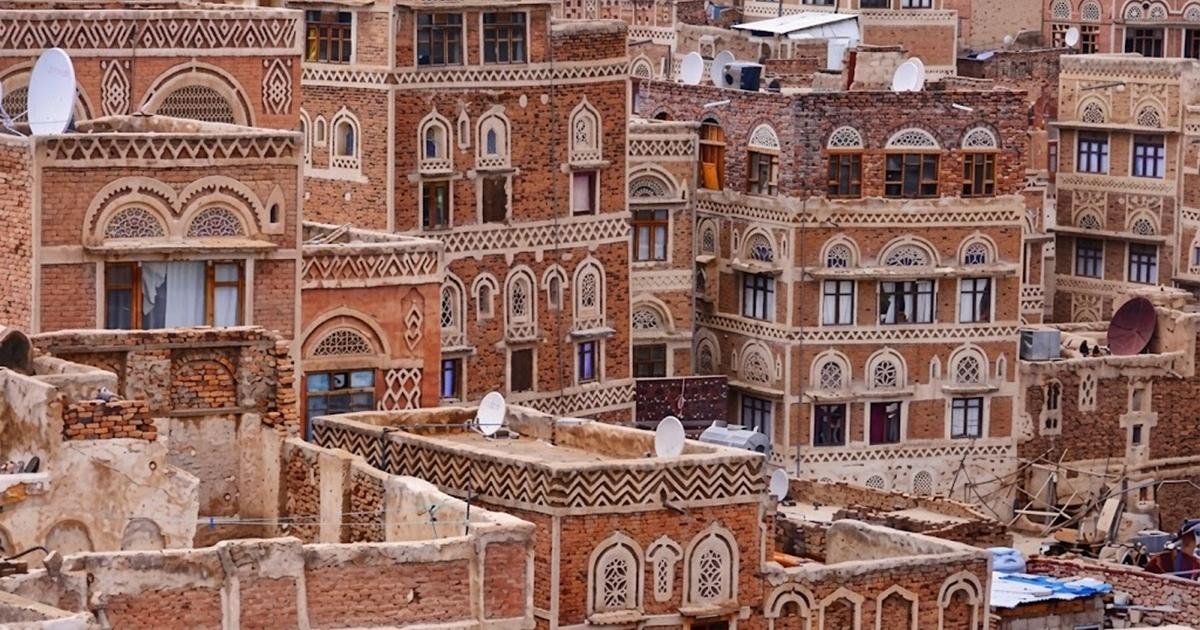
Yemen’s built heritage is among its most recognisable contributions to the world. Sana’a’s decorated tower houses, Shibam’s tall mud-brick buildings and Zabid’s historical architecture show generations of skilled local knowledge. These places have UNESCO World Heritage status and deserve careful protection. Their value includes the building methods and community memories connected with them. Preserving a house or street can also preserve lessons about materials, climate and the organisation of everyday life.
Agricultural terraces reveal another kind of knowledge passed between generations. Farmers have adapted steep slopes to grow crops while managing soil and limited water. Coffee has a particularly strong historical connection with Yemen, and the port of Mocha helped give the product an international name. Local varieties and production methods remain important to its identity. Honey, including products associated with Hadramawt, also reflects careful work and the value of regional agricultural experience.
Hospitality gives that heritage an immediate human expression. Guests may encounter shared dishes, fresh bread, rice, meat, vegetables and spiced sauces prepared according to household traditions. Mandi, saltah and other familiar foods show the range of Yemeni cooking without defining every region in the same way. Tea or coffee creates time for conversation, while meals bring generations around one table.
Poetry, music, dress and handmade objects add further richness to national life. Sana’ani song carries a distinctive musical inheritance recognised by UNESCO, while regional traditions offer other styles of performance and expression. Embroidery, jewellery and work in local materials preserve skills that can also support household income. Oral histories explain family connections and memories of places.
Yemen’s future opportunities include agriculture, fisheries, small businesses and professional services. Coastal communities have knowledge of the sea, while inland producers offer products with strong local identity. Reliable transport, water, energy and access to markets are important to making those skills productive. Safe schools, healthcare and vocational learning are equally essential for younger citizens. Peace gives families the space to rebuild livelihoods and turn familiar abilities into dependable work.
Yemen is a founding member of the Organisation of Islamic Cooperation, with longstanding connections across the Muslim world through scholarship, pilgrimage, migration and commerce. Cooperation can support education, health, cultural protection and community livelihoods. Yemeni teachers, medical workers, producers and professionals abroad have knowledge that can contribute to these relationships. Women’s daily work in households, learning and enterprise also deserves recognition. Practical support is most valuable when it helps people sustain their own abilities and plan with confidence.
Today’s liberation anniversary honours national memory through the lives and traditions that continue to give Yemen its character. The October date recalls the beginning of a historical movement, while its present-day meaning rests with families, students and workers who want a peaceful future. Yemen’s mountain farms, port connections, music and architecture offer much to celebrate with care and respect. On 14 October, the warmest wish is for learning, secure livelihoods and the opportunity to pass a valued heritage to another generation.
- Business News 114
- Country News 16
- Feature News 65
- International News 235
- Interview News 36
- National News 35