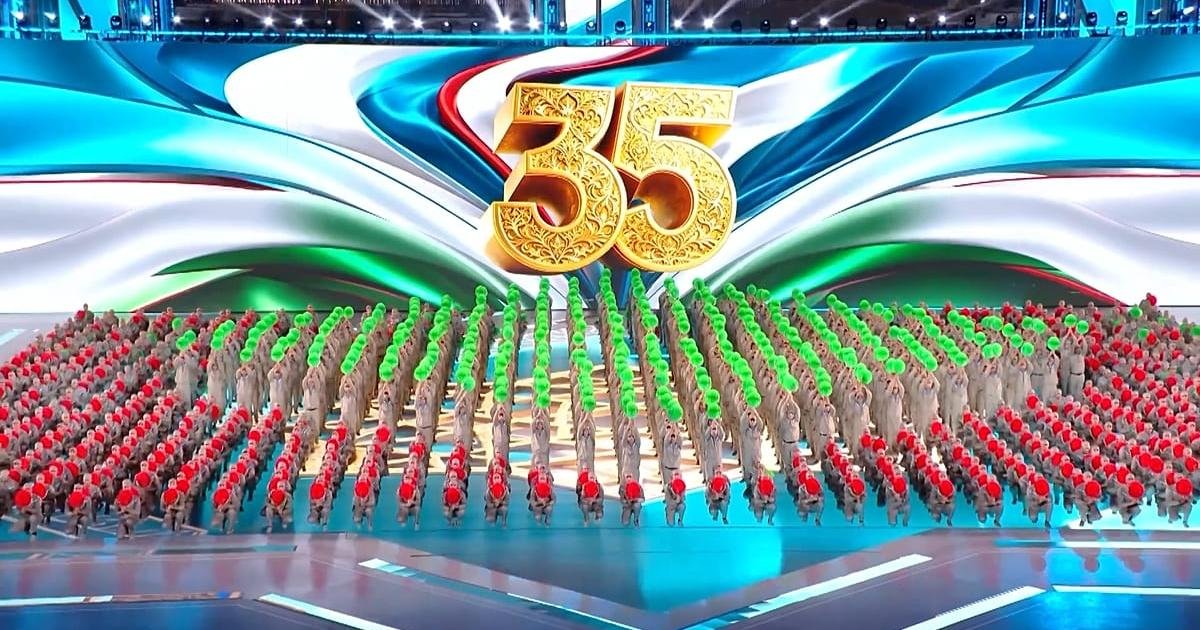




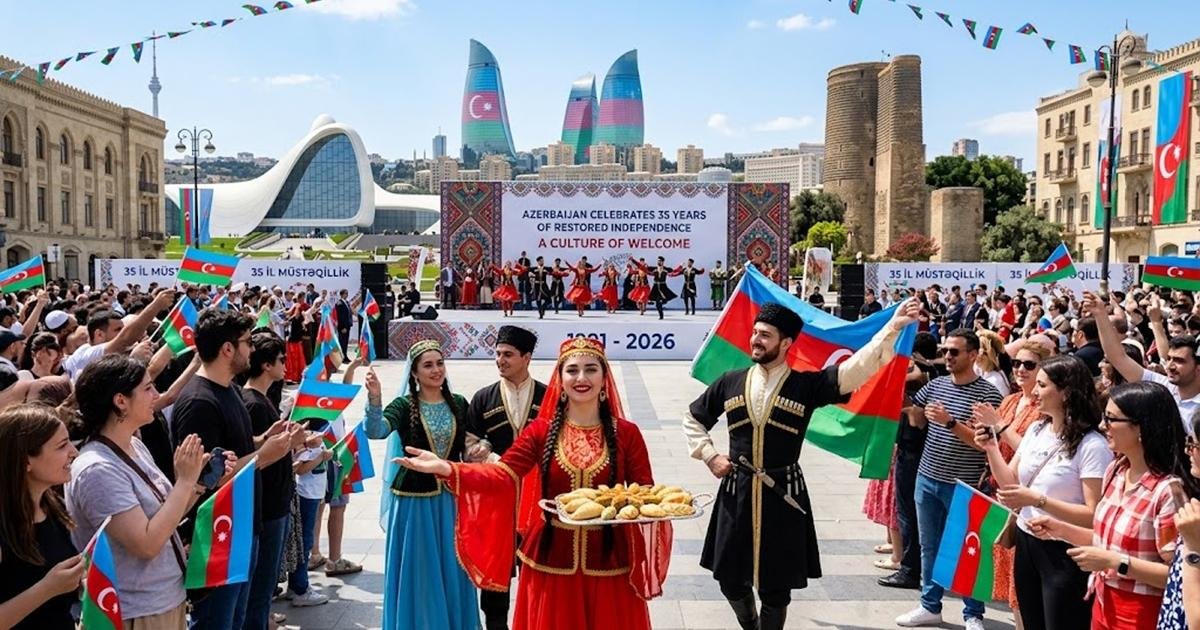
Azerbaijan celebrates Restoration of Independence Day today, 18 October, marking 35 years since the adoption of its Constitutional Act on State Independence in 1991. The anniversary recognises the return of sovereignty and the country’s connection with the Azerbaijan Democratic Republic established in 1918. It offers citizens an occasion to celebrate national identity through culture, learning and the contributions of daily work. For friends abroad, the day is also an invitation to know Azerbaijan through its hospitality, artistic traditions and place beside the Caspian Sea.
The October anniversary has a distinct place in the national calendar. Independence Day on 28 May recalls the establishment of the 1918 republic, while 18 October commemorates the restoration of independence in 1991. Understanding both dates helps younger generations appreciate the continuity of the national story. Today’s celebration can honour that history through family conversations, cultural activities and messages of goodwill.
Azerbaijan lies in the South Caucasus, with the Caspian Sea to the east and mountain regions extending through much of its territory. Coastal areas, agricultural plains, forests and highland communities give the country considerable environmental variety. Baku, the capital, combines a long history of trade with modern urban development. Other cities and towns preserve their own memories, architecture and local skills. Travelling between these places reveals a country whose character extends well beyond its best-known city views.
Baku’s Old City introduces visitors to an important part of that inheritance. Its walls, streets, Maiden Tower and Palace of the Shirvanshahs are recognised together as a UNESCO World Heritage Site. Nearby coastal districts show the city’s continuing relationship with the Caspian and the energy industry. Gobustan offers a different historical experience through rock art that records much earlier human life. Preserving these places supports research and allows communities to explain their history through evidence close to home.
Culture remains equally visible in homes, performances and workshops. Mugham, an established musical tradition, combines vocal expression with instrumental performance and has UNESCO recognition. Ashiq performers preserve another tradition of poetry, song and storytelling. Azerbaijani carpets express regional designs through knowledge passed between generations, while silk, embroidery and metalwork add further variety.
Tea gives hospitality one of its most familiar forms. Served in small glasses and often accompanied by preserves or sweets, it creates a setting for conversation and welcome. The culture of tea is recognised by UNESCO through a joint inscription with Türkiye. Family meals may include plov, dolma, kebabs, breads and dishes shaped by regional ingredients. Pomegranates, herbs, fruit and nuts bring additional local character to the table, making food a generous introduction to the country.
The Azerbaijani language has a central place in literature and public life, while other languages are spoken by communities across the country. Writers and poets have contributed to a literary inheritance that remains part of education and cultural expression. Museums, libraries and performances give younger audiences ways to encounter that work.
Oil and gas have played a major role in Azerbaijan’s economic development and international trade. Agriculture, tourism, transport, manufacturing and services also offer opportunities across different regions. Farmers produce fruit, vegetables, grains, grapes and livestock, while small businesses connect local products with consumers. Developing professional skills and dependable infrastructure can help more communities benefit from these activities. A wider range of productive work allows national progress to be expressed in household livelihoods as well as major projects.
The country’s position between the Caspian and the Caucasus gives transport and commercial exchange particular importance. Ports, rail links and roads connect Azerbaijan with neighbouring markets and routes farther afield. Tourism can introduce visitors to mountain villages, historical towns and regional cooking when local communities benefit from the experience. Environmental care is part of preserving that appeal. Water efficiency, cleaner energy and protection of natural places help support opportunity without reducing resources needed by future generations.
Azerbaijan joined the Organisation of Islamic Cooperation in 1992 and shares historical religious and cultural connections with the Muslim world. Partnerships in education, business, science and cultural exchange provide useful areas for cooperation. Young people can benefit through training, research and contact with professionals in other member countries. Women’s participation across education, medicine, business and the arts also strengthens national life. Their contributions deserve a place in the recognition that accompanies the anniversary.
Thirty-five years after restored independence, Azerbaijan celebrates sovereignty through the familiar warmth of tea, the sound of music and the work of its citizens. The October date honours a historical milestone while giving younger generations space to imagine what they can contribute. National pride is sustained by preserving valued traditions and creating room for new achievement. Today, Azerbaijan welcomes goodwill from across the OIC and beyond as it celebrates a home of cultural confidence, hospitality and continuing opportunity.
- Business News 114
- Country News 16
- Feature News 66
- International News 237
- Interview News 36
- National News 36