



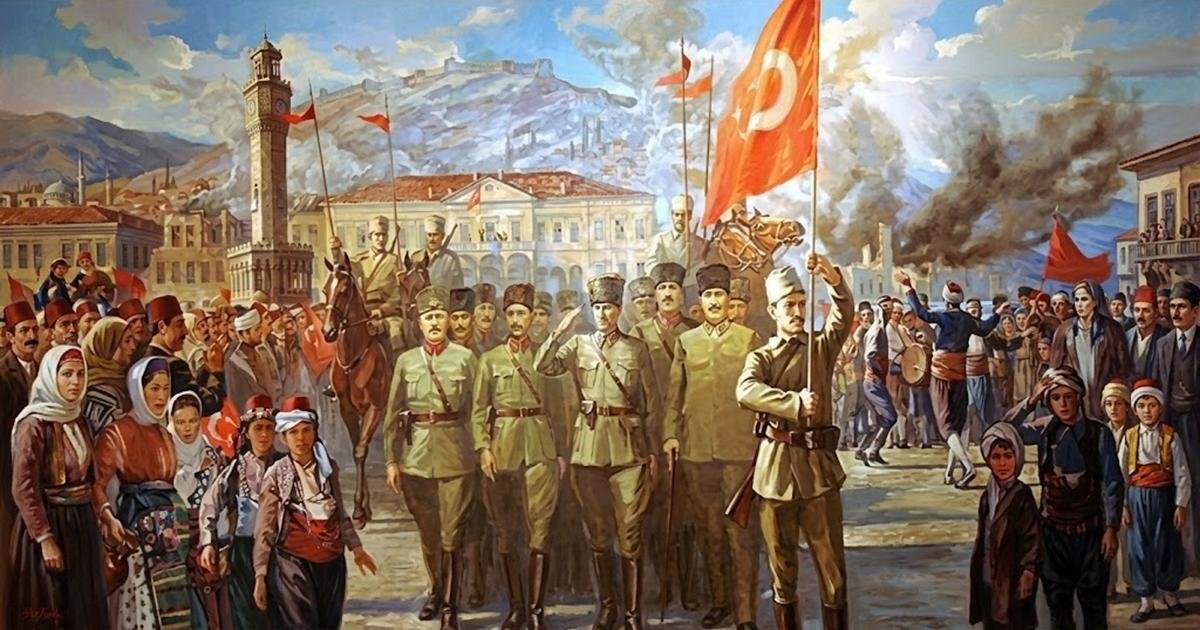
Türkiye celebrates Republic Day today, 29 October, marking 103 years since the proclamation of the republic in 1923. The anniversary honours the establishment of the modern state and the generations whose effort has contributed to its development. Flags, family greetings and familiar commemorative traditions give the occasion a strong place in public life. It is also a day to appreciate a country whose cultural warmth, professional skills and connections across continents are recognised far beyond its borders.
The Grand National Assembly proclaimed the republic on 29 October 1923, with Mustafa Kemal Atatürk becoming its first president. Ankara, designated the capital earlier that month, became the centre of the new state. Today, remembrance of that foundation includes visits to Anıtkabir and activities that introduce younger generations to national history. Those ideas remain meaningful in the everyday work of teachers, health workers, producers and professionals.
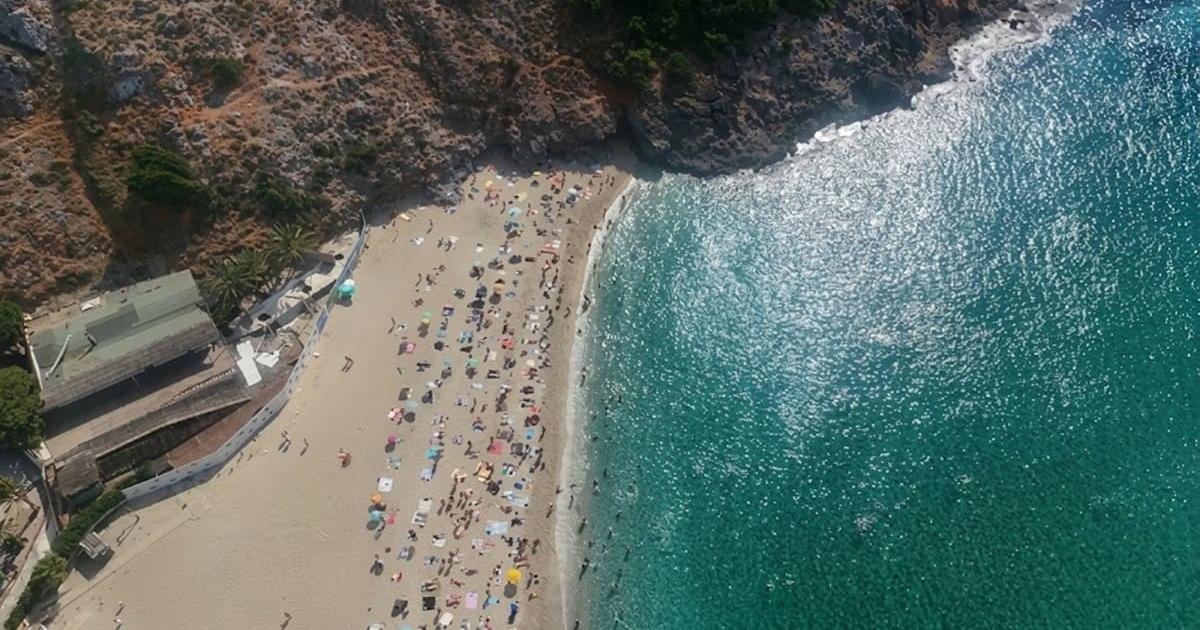
Türkiye extends across Anatolia and part of southeastern Europe, with the Bosphorus connecting two sides of Istanbul. Its shores face the Black Sea, the Aegean and the Mediterranean, while inland areas include plateaus, mountains and fertile valleys. This geography has supported settlement, travel and commerce over many centuries. Ankara is the capital, Istanbul a major commercial and cultural city, and İzmir an important Aegean port.
The country’s historical inheritance reaches well beyond a single period. Archaeological places such as Göbekli Tepe and Ephesus introduce visitors to different chapters of human settlement and belief. Ottoman buildings, old commercial streets and regional houses offer further evidence of changing urban life. Cappadocia’s rock formations and settlements add a particularly memorable setting. Preserving such places helps schools, researchers and visitors understand the past while supporting work connected with museums, conservation and responsible tourism.
Hospitality often provides the most immediate introduction to Turkish life. Tea is shared during visits, conversation and business, while Turkish coffee has its own traditions of preparation and welcome. UNESCO recognises both coffee culture and the tea culture shared with Azerbaijan. A guest may encounter generosity in a family home, a neighbourhood shop or a village gathering.
Food reflects the country’s regional variety. Breads, soups, vegetables, rice dishes and many forms of kebab sit beside fish, olive oil dishes and dairy products. Baklava and other sweets are familiar abroad, but local kitchens offer far more than the most widely known examples. Farmers, market traders, bakers and restaurant workers all contribute to this everyday cultural experience. Family recipes preserve regional memory and give young people a direct connection with the places from which their relatives come.
Music, literature and the visual arts add further voices to the Republic Day celebration. Folk songs and regional dances remain part of public gatherings, while contemporary performers reach audiences through new forms of production. Writers, filmmakers and television producers have brought Turkish stories to readers and viewers around the world. Calligraphy, ceramics, textiles and other traditional arts continue through skilled practice and teaching.
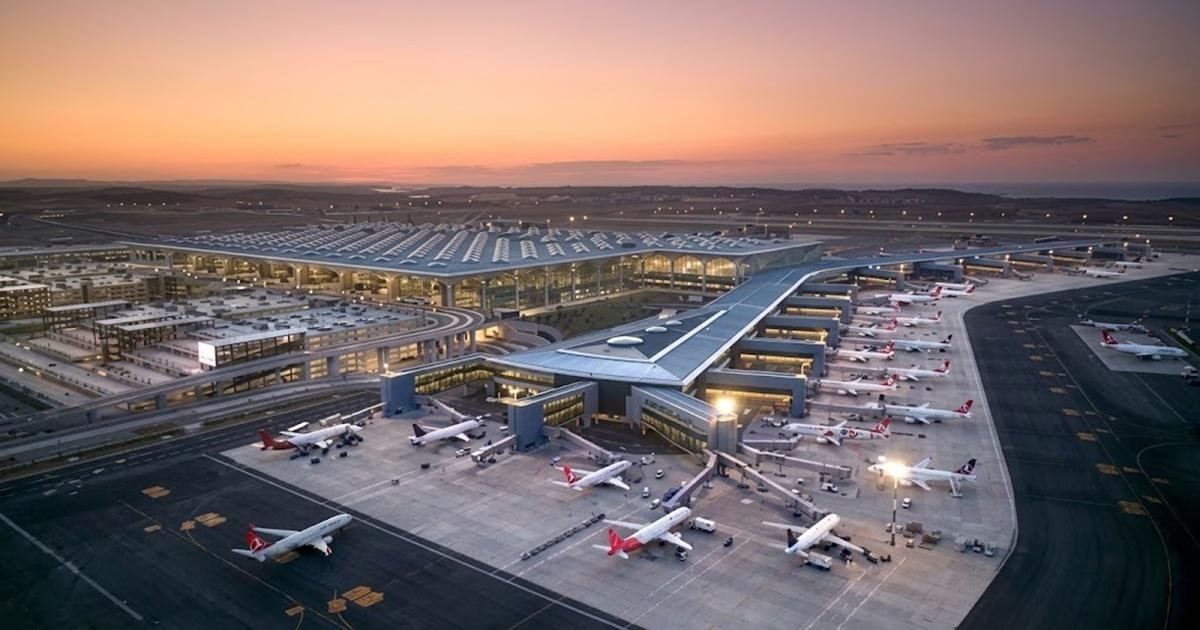
Türkiye’s economy includes manufacturing, agriculture, tourism, transport, trade and professional services. Automotive production, machinery, textiles, food processing and household goods connect national industry with markets abroad. Farmers produce wheat, fruit, vegetables, olives and other crops across regions with different climates. Small businesses also have an important place, linking family experience with commercial initiative.
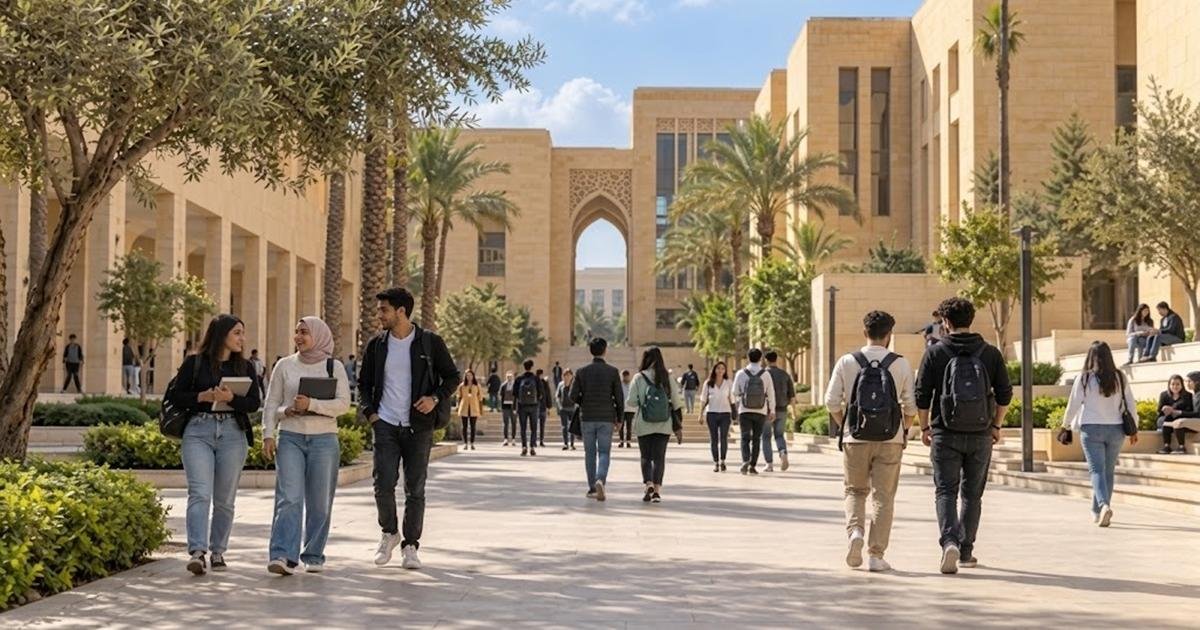
Education gives younger generations ways to contribute to these activities and develop new ones. Universities and technical institutions prepare students for medicine, engineering, science, business and the arts. Women’s work across professions, enterprise and education adds essential knowledge to national life. Sporting achievements, from volleyball to wrestling and other disciplines, provide another occasion for citizens to celebrate skill and commitment together.
Türkiye is a founding member of the Organisation of Islamic Cooperation and participates in cooperation across education, trade, science, culture and humanitarian affairs. OIC institutions based in Türkiye include bodies concerned with economic cooperation, research and Islamic history, art and culture. Their work gives international exchange a practical connection with the country. Students, researchers and business communities can benefit when partnerships create useful opportunities. Türkiye’s experience also adds a distinctive contribution to the organisation’s broad membership.
As the republic reaches 103 years, today’s celebration honours its foundation through the abilities and service of living generations. Citizens carry the country forward whenever they teach a useful skill, improve a product or care for a neighbour. On 29 October, Türkiye celebrates a republic whose continuing promise is expressed through knowledge, hospitality and the confidence of its people.
- Business News 116
- Country News 16
- Feature News 67
- International News 242
- Interview News 36
- National News 40