



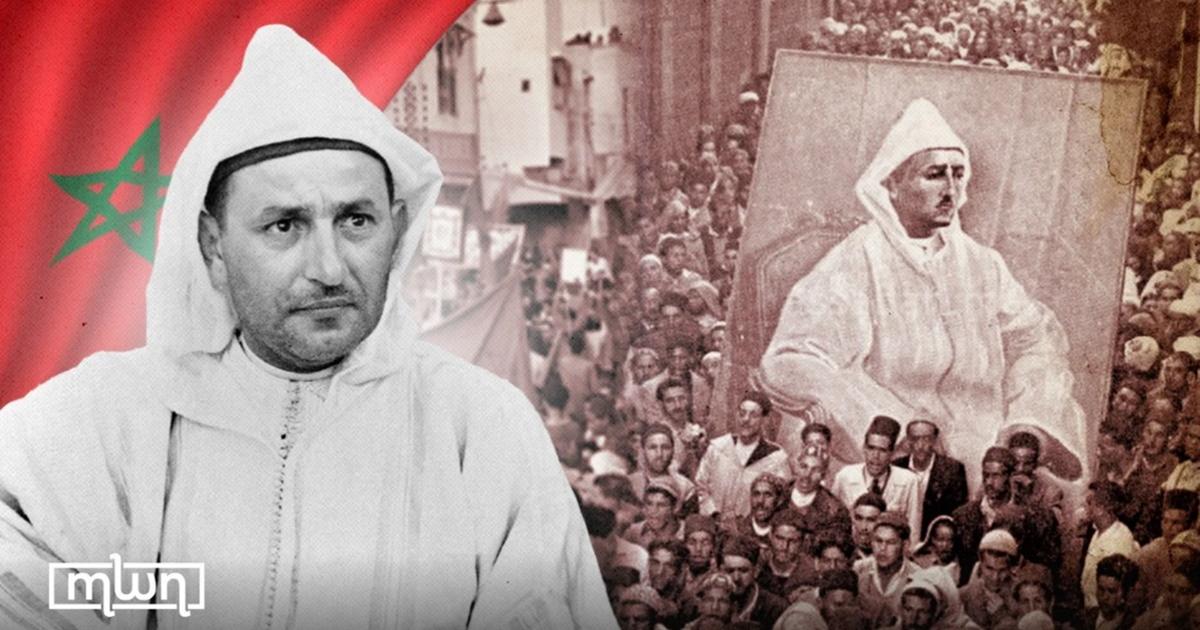
Morocco observes the Revolution of the King and the People today, 20 August, remembering a decisive chapter in its movement for independence. The day recalls the close bond between Sultan Mohammed V and the Moroccan people after colonial authorities forced the Sultan and the royal family into exile in 1953. Rather than weakening the national cause, the event strengthened public support for sovereignty. Today’s anniversary honours collective courage, loyalty and the unity that helped shape modern Morocco.
The events of 20 August became an important part of national memory. Moroccans from different regions and social backgrounds stood behind the demand for the return of Mohammed V and the restoration of national authority. The Sultan returned in 1955, and Morocco regained independence in 1956. The anniversary therefore links a difficult historical moment with the success that followed and the shared responsibility of protecting national progress.
Public ceremonies, historical programmes and family conversations help keep the meaning of the day alive. National flags appear across cities and towns, while media and cultural institutions recall people and events connected to the independence movement. The occasion is respectful but also hopeful, encouraging younger Moroccans to understand how unity can serve the common good. It remains one of the country’s most meaningful national observances.
Morocco stands at the meeting point of Africa, the Atlantic Ocean and the Mediterranean Sea. The Atlas Mountains cross much of the country, while fertile plains, long coastlines, cedar forests, oases and Saharan areas support very different communities and livelihoods. Rabat serves as the capital, Casablanca is a major business centre, and cities such as Fez, Marrakesh, Tangier, Meknes and Agadir are known internationally. This geography has helped Morocco maintain close links with Africa, Europe, the Arab world and the wider Atlantic region.
The country’s identity reflects Arab, Amazigh, African, Andalusian and Islamic influences. Arabic and Amazigh are official languages, while Moroccan Arabic and other languages are heard in daily life. Historic medinas, mosques, gardens, homes and public squares preserve architectural styles developed over centuries. Zellige tilework, leatherwork, metalwork, carpets, the Moroccan caftan and regional music remain visible expressions of skill and community memory.
Moroccan food adds warmth to national occasions and everyday hospitality. Couscous, tagine, pastilla, harira, bread, dates and mint tea are shared in homes and restaurants, with recipes changing from one region to another. Markets bring together spices, olives, fruit, ceramics, textiles and local products in lively public spaces. Food is not only a part of tourism; it is a social language of welcome, family and celebration.
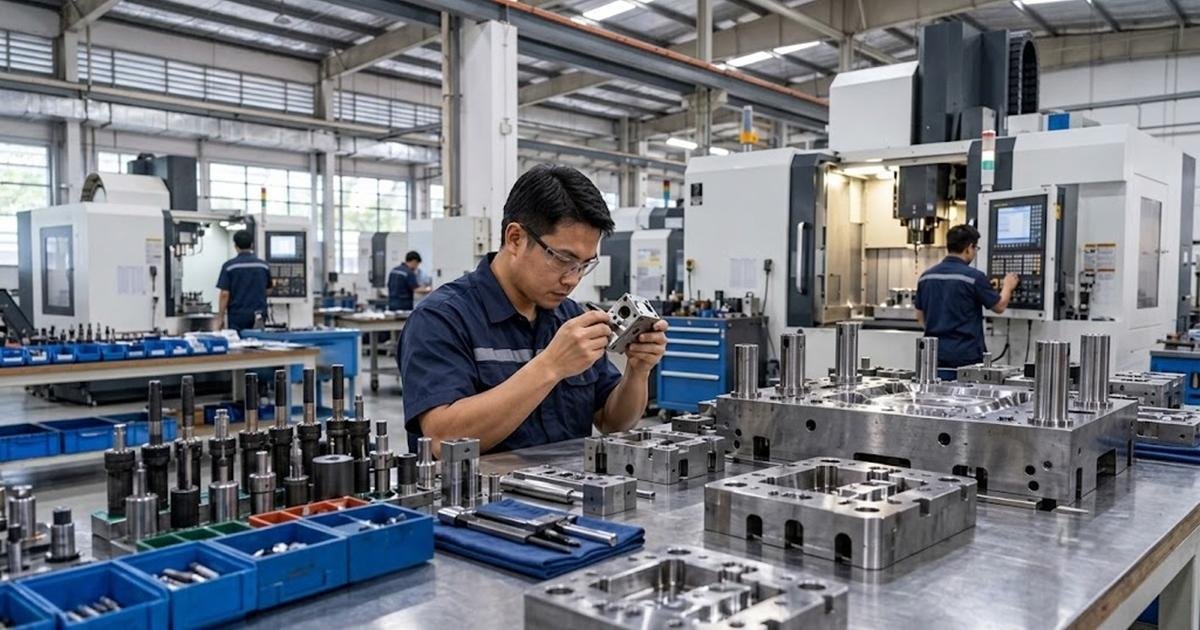
Morocco has built a varied economy based on agriculture, manufacturing, mining, tourism, trade and services. The country is a leading source of phosphates and has expanded industries including automobiles, aerospace components, textiles and food processing. Tanger Med has become a major port connecting shipping routes between Europe, Africa and global markets. Solar and wind projects also show Morocco’s growing interest in clean energy and long-term resource security.
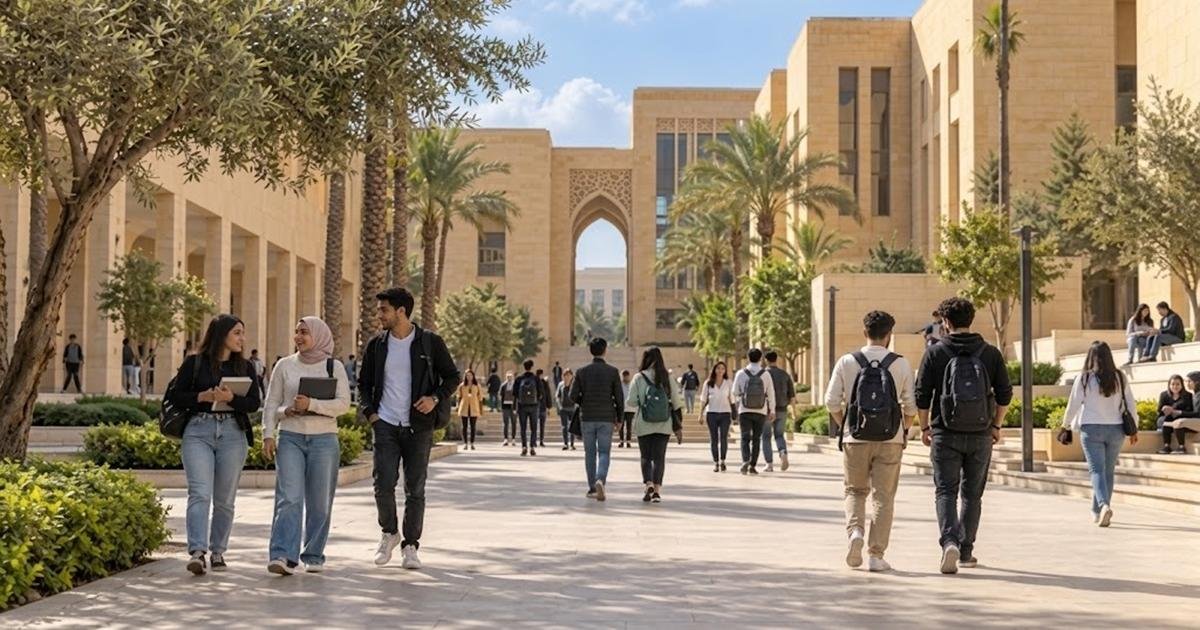
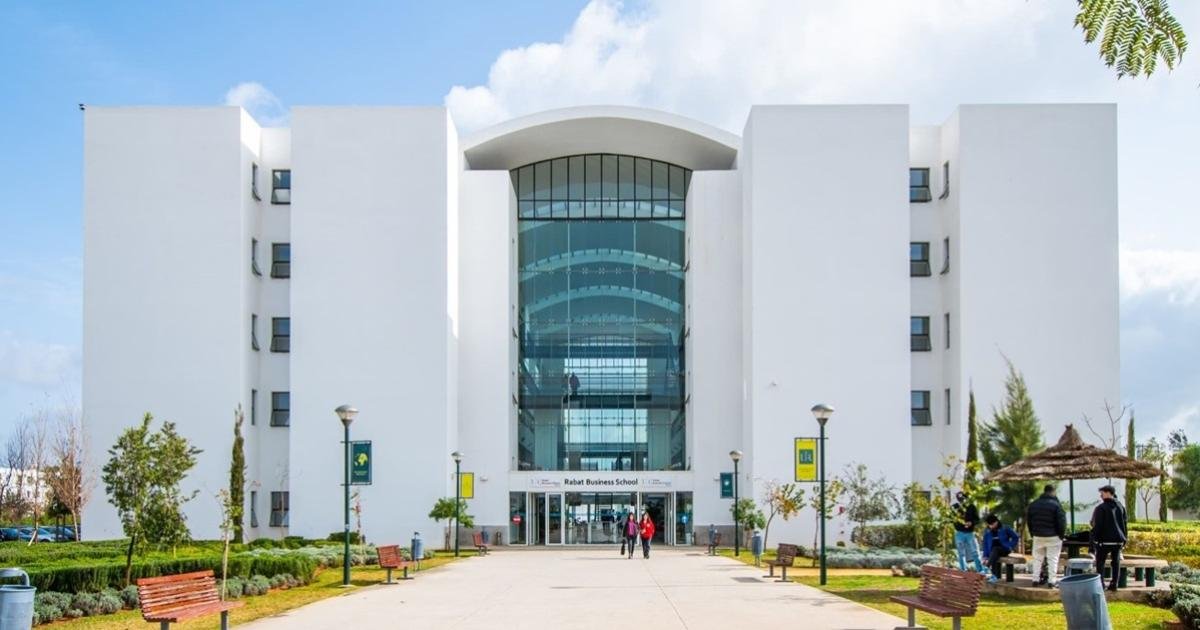
Young Moroccans are active in education, technology, business, sport, arts and community service. Digital companies and new enterprises are creating fresh opportunities, while universities and training centres prepare people for changing industries. Continued attention to skills, local development and job creation can help talent in every region contribute to national growth. The values remembered on 20 August give this generation a strong message about responsibility and common purpose.
Morocco has a special place in the history of the Organisation of Islamic Cooperation. The summit held in Rabat in September 1969 led to the establishment of the organisation, beginning a new forum for cooperation among Muslim countries. Morocco continues to engage with fellow OIC members in trade, culture, education, science and social development. Its position between regions allows it to help strengthen business, academic and cultural links across the OIC community.
The country’s heritage and natural variety also make tourism an important bridge to the world. Visitors come for old medinas, mountain routes, Atlantic towns, desert journeys, food and music. Responsible tourism can support local guides, family businesses, artisans and rural communities while encouraging care for historic sites and natural resources. These connections allow Morocco to share its identity directly with people from many countries.
As Morocco marks the Revolution of the King and the People today, it honours a national partnership that helped open the way to independence. The anniversary carries a clear message: shared purpose can guide a country through hardship and towards renewal. From the Rif and Atlas mountains to the Atlantic and Mediterranean coasts, Moroccans remember a history that belongs to the whole nation. The OIC family and friends around the world join in celebrating Morocco’s unity, heritage and hopes for continued progress.
- Business News 114
- Country News 16
- Feature News 65
- International News 235
- Interview News 36
- National News 35