



For many travelers, Uzbekistan begins with the legendary Silk Road cities of Samarkand, Bukhara and Khiva. Yet those who venture deeper soon discover a country that offers far more than magnificent architecture and ancient history. Uzbekistan is a destination of contrasts and experiences – where sacred ancient heritage meets modern tourism, where snowy mountains stand not far from desert landscapes, and where centuries-old traditions continue to live alongside a rapidly developing travel industry.
Today, Uzbekistan is one of the fastest-growing tourism destinations in the world. According to UN Tourism, the country ranked among the top five destinations globally by growth in international arrivals in early 2026. In the first quarter of 2026, international tourist arrivals to Uzbekistan increased by 37% compared to the same period of 2025.
The number of foreign tourists visiting Uzbekistan hit 9.1 million over the January–August period, up 21.1% from the same timeframe last year, according to the Tourism Committee's report. In 2025, the country received 11.7 million international visitors, up from 10.2 million in 2024.
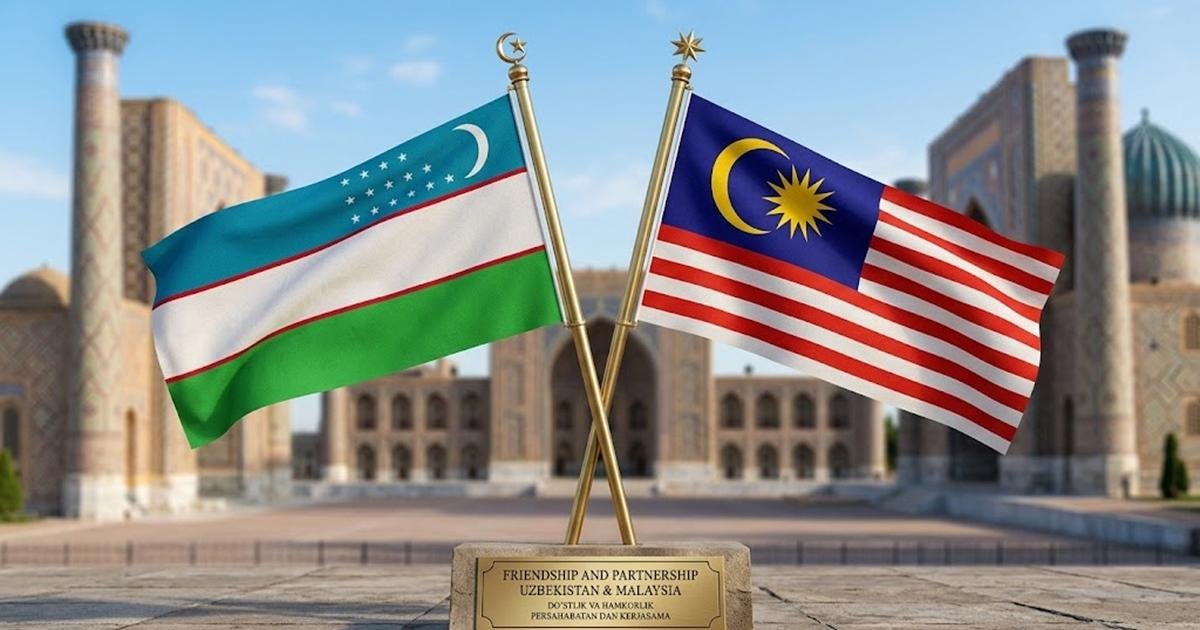
The number of tourists to Uzbekistan from Asian countries notable increased. The flow of travelers from China grew 2.3-fold, from Malaysia twofold, and from Japan 1.5-fold. There was also an increase in the number of tourists arriving from the USA and Russia—up 1.4-fold and 1.3-fold, respectively.
Increasingly recognized as one of the most dynamic destinations in Central Asia, Uzbekistan is attracting travelers seeking unique experiences, cultural immersion and new discoveries.
Its growing popularity lies not only in its rich history but also in its remarkable diversity and year-round opportunities for exploration.
Under the Tourism Development Strategy until 2030, Uzbekistan aims to attract 20 million international visitors annually, increase tourism’s share in GDP to 7% and raise tourism service exports to US$6 billion.
A land of spiritual heritage and living traditions
Uzbekistan holds a special place in the history of Islamic civilization. For centuries, the region was home to great scholars, and scientists whose contributions shaped the intellectual development of the Islamic world.
Today, pilgrims and cultural travelers visit sacred sites associated with Islamic Civilization Center, Imam Al-Bukhari, Imam At-Termizi, Bakhauddin Naqshband and many other prominent figures of Islamic civilization. The country’s historical cities preserve a magnificent legacy of mosques, madrasahs and mausoleums that continue to serve as centers of faith and living heritage.
In recent years, Uzbekistan has invested significantly in the development of pilgrimage tourism infrastructure, restoration of religious heritage sites and improvement of visitor facilities around major spiritual centers.
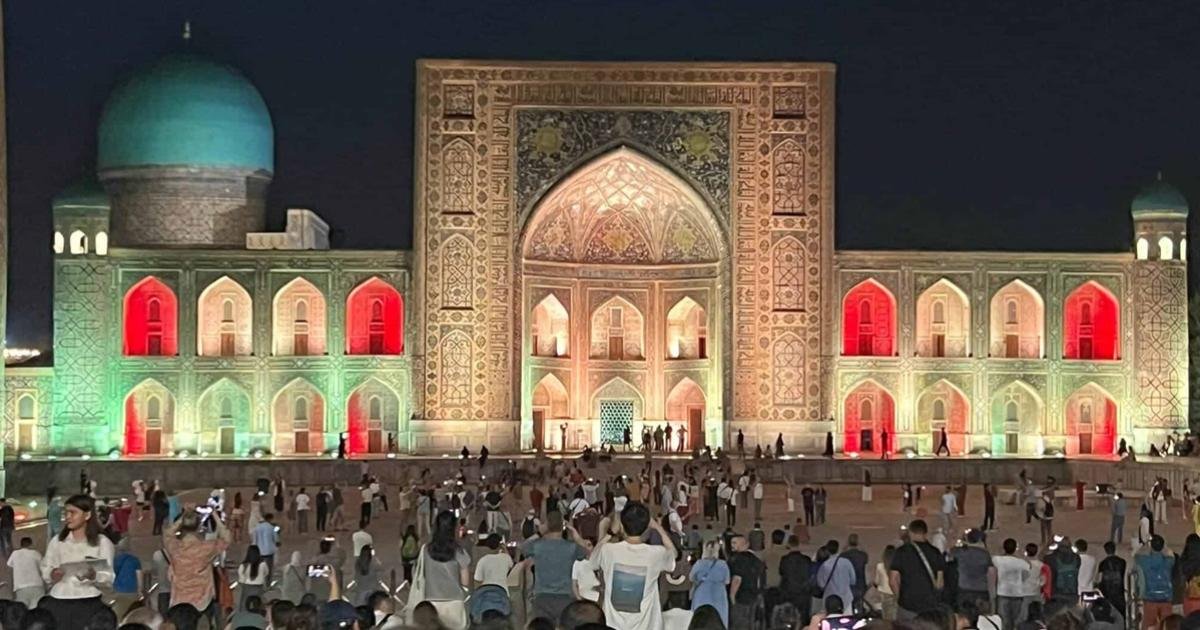
Samarkand, Bukhara, Khiva and Shahrisabz are among the most renowned destinations, where visitors can admire masterpieces of Islamic architecture and experience the atmosphere of ancient caravan cities. Walking through narrow streets lined with traditional houses and vibrant bazaars, travelers discover a heritage that continues to be an important part of everyday life.
Uzbekistan’s cultural heritage extends far beyond its monuments. Traditional crafts continue to thrive across the country. In Rishtan, artisans create world-famous ceramics known for their distinctive blue glazes. Margilan continues the centuries-old tradition of silk weaving, while Bukhara remains renowned for embroidery, miniature painting and jewelry craftsmanship.
These traditions are practiced by families and passed down from one generation to another, allowing visitors to experience living culture up close.
Four historic cities of Uzbekistan are included on UNESCO’s World Heritage List, reinforcing the country’s importance as one of the world’s major centers of cultural heritage.
From snowy peaks to desert horizons
One of Uzbekistan’s most remarkable features is the diversity of its natural landscapes.
Alongside cultural tourism, the country is actively developing mountain, eco-, adventure and wellness tourism. New tourism clusters and resort projects are being implemented in mountain and lakeside areas, creating year-round opportunities for visitors.
In winter, travelers can enjoy skiing and snowboarding at modern mountain resorts such as Amirsoy, located in the Tashkent region. Surrounded by the Western Tien Shan Mountains, the area offers modern infrastructure and breathtaking scenery, making winter tourism increasingly popular among tourists.
During spring and summer, the mountains become popular destinations for hiking, horse riding and outdoor adventures. Chimgan, Beldersay and Zaamin National Park attract nature enthusiasts seeking fresh air, breathtaking landscapes and peaceful escapes.
Water-based recreation is also becoming increasingly popular. The Charvak Reservoir, often called the "Pearl of the Mountains," offers variety of activities, including boating, swimming and family vacations. Meanwhile, Lake Aydarkul provides a completely different experience, where travelers can stay in traditional yurts, explore desert landscapes and observe spectacular star-filled skies.
The Kyzylkum Desert reveals another side of the country. Camel rides, desert camps and glimpse into nomadic traditions allow travelers to experience the timeless atmosphere of Central Asia.
In western Uzbekistan, Karakalpakstan offers some of the region’s most distinctive destinations. The ancient fortresses scattered across the desert landscapes and the spectacular scenery surrounding the Aral Sea create unforgettable experiences for those seeking hidden destinations and authentic adventures.
Experiences that stay with you
The most memorable journeys are often defined by the people we meet, the flavors we discover and the emotions we carry home – and Uzbekistan brings them all together.
Hospitality has long been an integral part of Uzbek culture. Guests are welcomed with genuine warmth and generosity, while sharing meals continues to be an important tradition across the country.
Uzbek cuisine has been shaped by centuries of cultural exchange along the Silk Road. One of its most iconic dishes is Uzbek pilaf, which is prepared differently across the country, with each region preserving its own unique recipes and cooking traditions. More than just a national dish, it symbolizes hospitality, unity and celebration. Travelers can also discover a variety of samsa, lagman, shashlik, manti and traditional sweets, each reflecting the distinctive culinary traditions of different parts of the country.
In 2016, the culture and traditions associated with Uzbek pilaf were inscribed on UNESCO’s Representative List of the Intangible Cultural Heritage of Humanity.
In Uzbekistan, gastronomy becomes a journey in itself, offering travelers a deeper connection to the country’s culture and traditions. Visitors can participate in cooking masterclasses, explore local markets and learn about culinary traditions preserved by generations of families.
For adventure seekers, Uzbekistan offers opportunities for extreme tourism, including trekking, cycling, rafting, paragliding and off-road expeditions. Ecotourism routes, desert experiences and community-based tourism initiatives provide travelers with unique encounters beyond traditional travel routes.
Whether spending the night in a yurt camp, watching the sunrise over ancient cities or enjoying tea in a traditional Uzbek home, travelers often take-home memories that stay with them long after the journey has ended.
Discovering a New Uzbekistan
In recent years, Uzbekistan has entered a new stage of tourism development.
Large-scale reforms launched by the government have included visa liberalization, digitalization of tourism services and support measures for investors and tourism businesses. Currently, citizens of 95 countries enjoy visa-free access to Uzbekistan.
High-speed rail services connect major historical cities, making travel across the country convenient and comfortable. International airports continue to expand their route networks, while hospitality facilities increasingly meet global standards.
More than 7,000 accommodation facilities operate across the country, and nearly 30 international hotel brands are represented in Uzbekistan.
Modern tourism centers such as Silk Road Samarkand demonstrate how rapidly developing infrastructure can coexist with historical heritage.
At the same time, Uzbekistan is actively promoting undiscovered regions across the country and developing sustainable tourism initiatives aimed at preserving cultural and natural heritage for future generations.
As international interest continues to grow, the country is establishing itself as far more than a Silk Road destination. Today, the country offers year-round opportunities for pilgrimage travel, cultural immersion, outdoor adventures and modern tourism experiences.
More than travelers imagine
Uzbekistan is a country that constantly surprises. It is a place where ancient minarets rise above vibrant cities, where snow-capped mountains and vast desert landscapes can be experienced within a single journey, and where traditions remain an essential part of modern life. For travelers seeking memorable experiences, authentic culture and diverse landscapes, Uzbekistan offers something increasingly rare in today's world – the opportunity to discover a destination that remains authentic, welcoming and full of wonder. And perhaps that is why so many travelers leave with the same impression: Uzbekistan is far more than they ever expected.
- Business News 113
- Country News 16
- Feature News 63
- International News 232
- Interview News 36
- National News 34