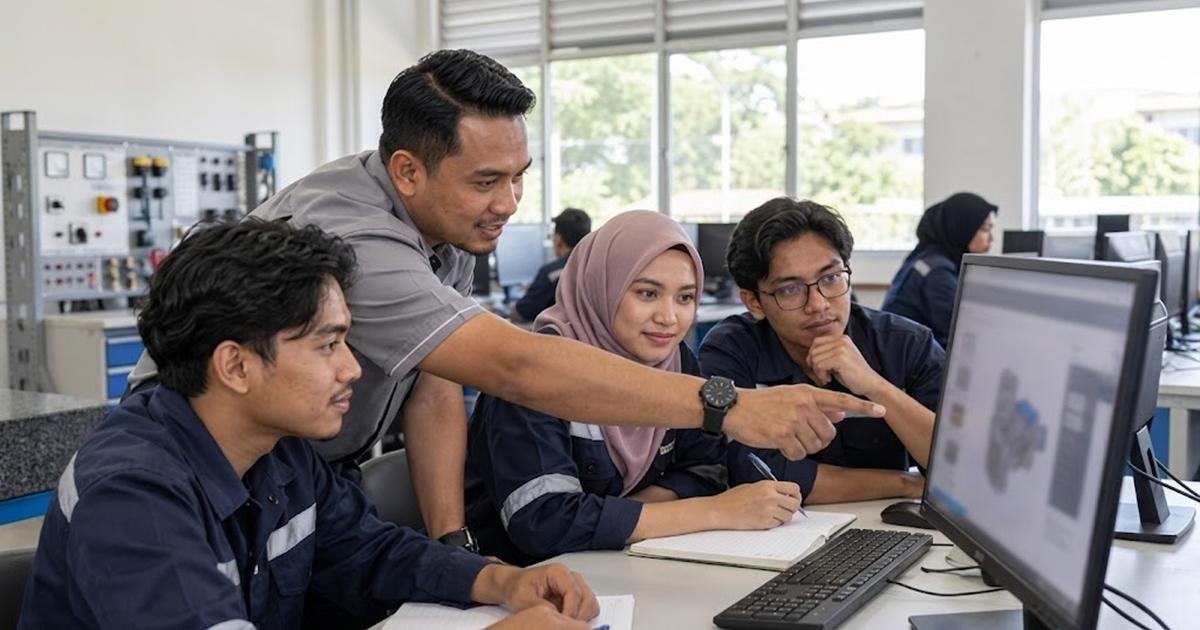





Uzbekistan has outlined a $320 million programme to improve rural services and create opportunities for local businesses in 296 neighbourhoods, known as mahallas. The second phase of the Rural Infrastructure Development Project will operate across six regions. It is expected to reach about 1.2 million people by 2031, including 600,000 women and 300,000 young people.
The World Bank will provide $150 million, and the Asian Infrastructure Investment Bank will contribute $100 million. Uzbekistan will cover the remaining $70 million. The Ministry of Economy and Finance and the World Bank Group reviewed the first phase and discussed the next round of work at a conference on 4 November.
From 2019 to 2026, the first phase completed about 900 projects in 306 mahallas across five regions. The work included construction or upgrades on more than 340 roads, 220 electricity systems and 160 water systems. It also provided improvements to around 100 schools and delivered work on 40 preschool facilities and 10 bridges. About one million people benefited directly, nearly half of them women.
In the next phase, 15 pilot mahallas are due to receive shared facilities for agricultural processors and small manufacturers. The centres are intended to give entrepreneurs space to expand production and hire locally. The programme also plans to work with the local teams known as the Mahalla Seven to involve residents in choosing priorities, preparing proposals and monitoring work. The aim is to let individual communities shape projects around the services and jobs they need.
- Business News 116
- Country News 16
- Feature News 67
- International News 251
- Interview News 36
- National News 42