



Oman celebrates National Day today, 18 November, with an opportunity to look at the communities that give the sultanate its character. The national observance falls on 20 and 21 November under the current official calendar. Its history reaches back to the rise of the Al Busaidi dynasty in the eighteenth century, while the Oman of today is also shaped by generations of sailors, farmers and traders. A route from the mountains to the coast offers an introduction to their work.
Inland, water tells much of the story. Oman’s aflaj carry water from springs, underground sources or valleys to farms and settlements, often using gravity to move it through channels. Five systems are on UNESCO’s World Heritage List as examples of a practice found across the country. Their survival depends on people cleaning and repairing the channels and agreeing on how much time each user receives for irrigation.
A channel running through a date grove makes the result easy to see. Water can reach palms, fruit trees and smaller crops growing close together, helping families make use of limited ground. Dates from different varieties ripen at different times and are eaten fresh or dried for later use. In many homes, a plate of dates and a small cup of Omani coffee form the first part of a welcome.
Nizwa, with its fort and market, offers another view of inland life. The fort reflects the town’s long importance, while the market still brings together people selling produce, livestock and household goods. Pottery and metalwork sit alongside items bought for daily use. For families who visit regularly, the market provides a place to compare the season’s harvest, catch up with acquaintances and find something to take home.
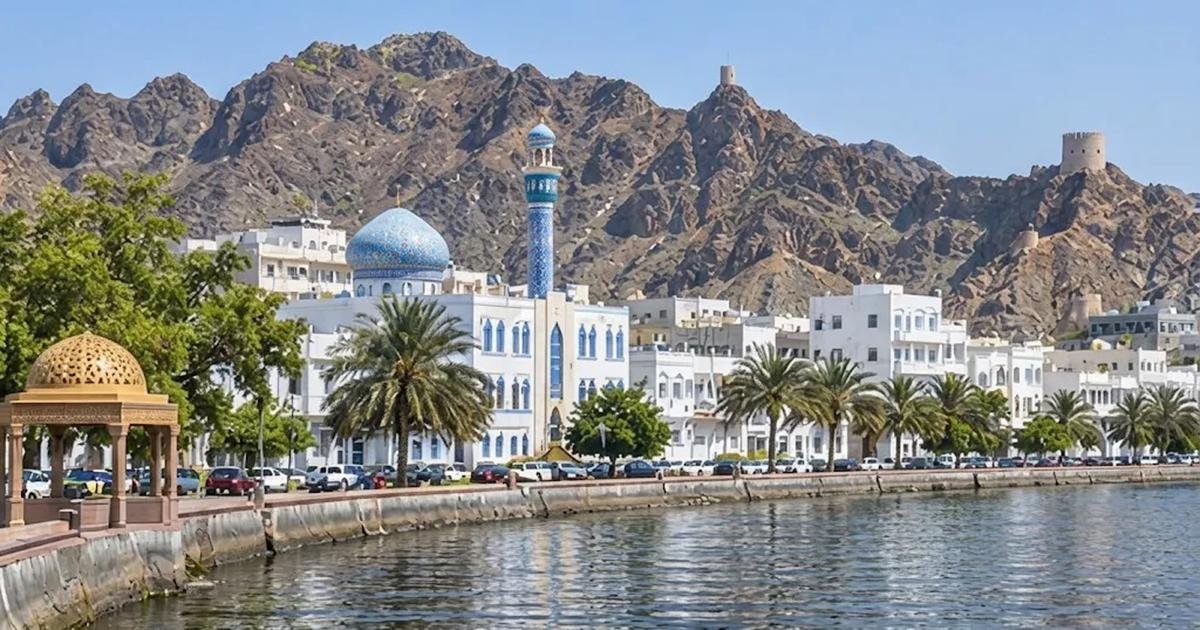
On the coast, Muscat’s position between rocky hills and the sea has shaped the way the capital grew. At Muttrah, the harbour and market are close enough for a walk to take in both, and the white buildings along the waterfront sit below steep bare slopes. Farther along the coast, Sur is associated with wooden boatbuilding. The shape of the vessels and the skill involved in assembling them recall journeys that linked Omani ports with East Africa, India and other shores of the Indian Ocean.
Dhofar, in the south, shows how different one part of Oman can be from another. The seasonal khareef brings mist and rain to hills near Salalah, drawing visitors when much of the Arabian Peninsula is hot and dry. The region is also known for frankincense, a resin gathered from trees and valued for its scent. Historic sites connected with its trade show how a product from southern Oman found buyers far beyond the region.
Seafood, rice, spices and dates help tell the story of exchange from another angle. Coastal households have ready access to fish, while special occasions may bring dishes that take many hours to prepare. Shuwa, for example, is traditionally cooked slowly underground and shared among relatives and neighbours. The time spent preparing such a meal is part of the occasion, as is the work of serving a large group.
Oil and gas are important to the economy, and ports, logistics, tourism and fisheries add other kinds of work. For a young Omani, those sectors can mean learning to maintain equipment, manage a business or guide visitors through a place they have known since childhood. The country’s membership in the Organisation of Islamic Cooperation supports contacts in areas such as education and commerce. Oman’s history of travel by sea gives these connections a familiar setting, even as the work involved changes.
National Day brings these places and practices into the same frame. A boatbuilder in Sur and an irrigator near Nizwa work with different materials and conditions, yet both rely on experience that takes time to acquire. Their knowledge is part of what the country can carry forward as jobs, towns and patterns of travel change. It also helps explain why a celebration of Oman can begin with something as ordinary as water reaching a date palm or coffee being offered at a door.
As Oman marks the occasion, there is room to appreciate the patience involved in keeping those customs useful. A channel is valuable because someone still clears it, and a market matters because people still bring goods to sell. The national anniversary offers a chance to notice the work that often goes unseen by a passing visitor. It also gives families a reason to share what they know about the places they call home.
- Business News 119
- Country News 16
- Feature News 67
- International News 256
- Interview News 36
- National News 42