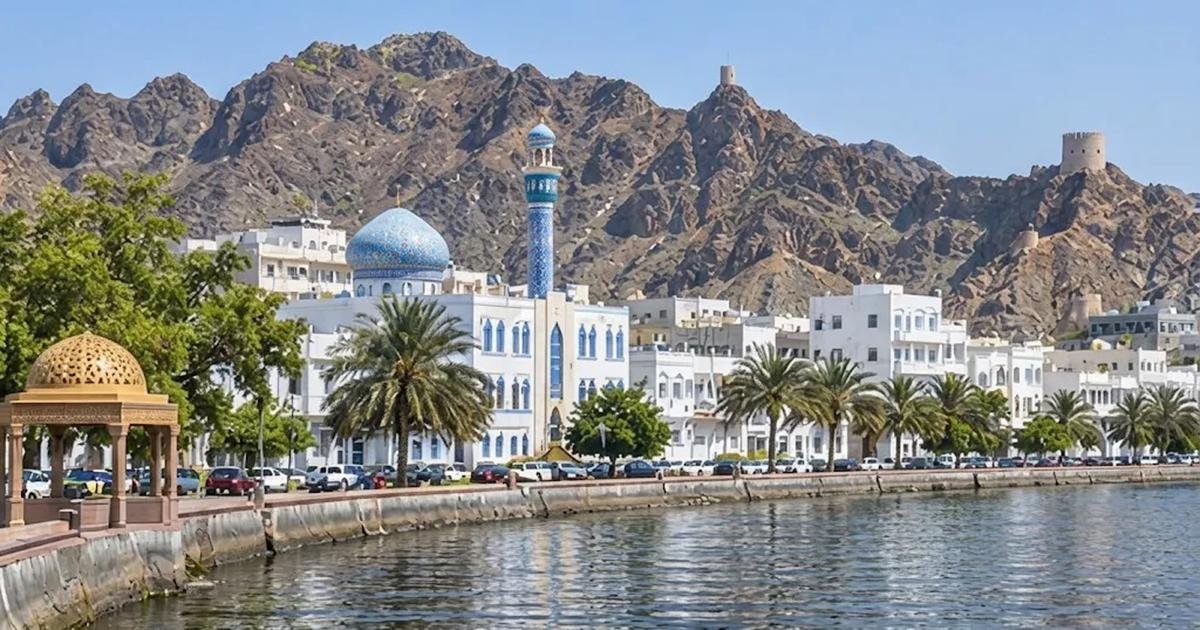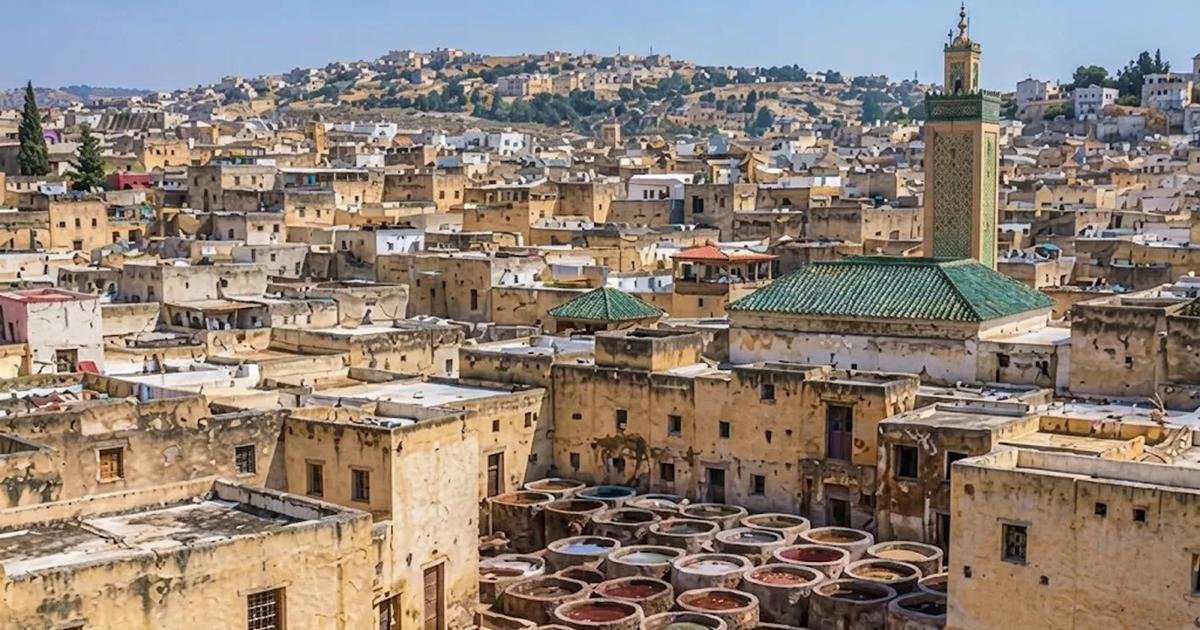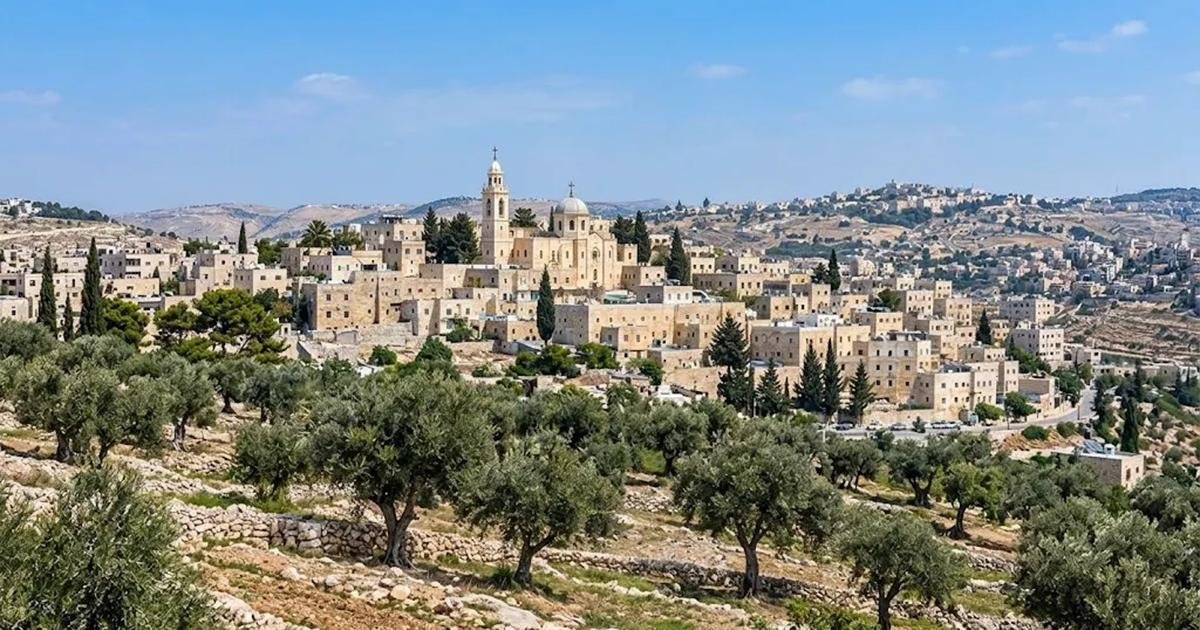




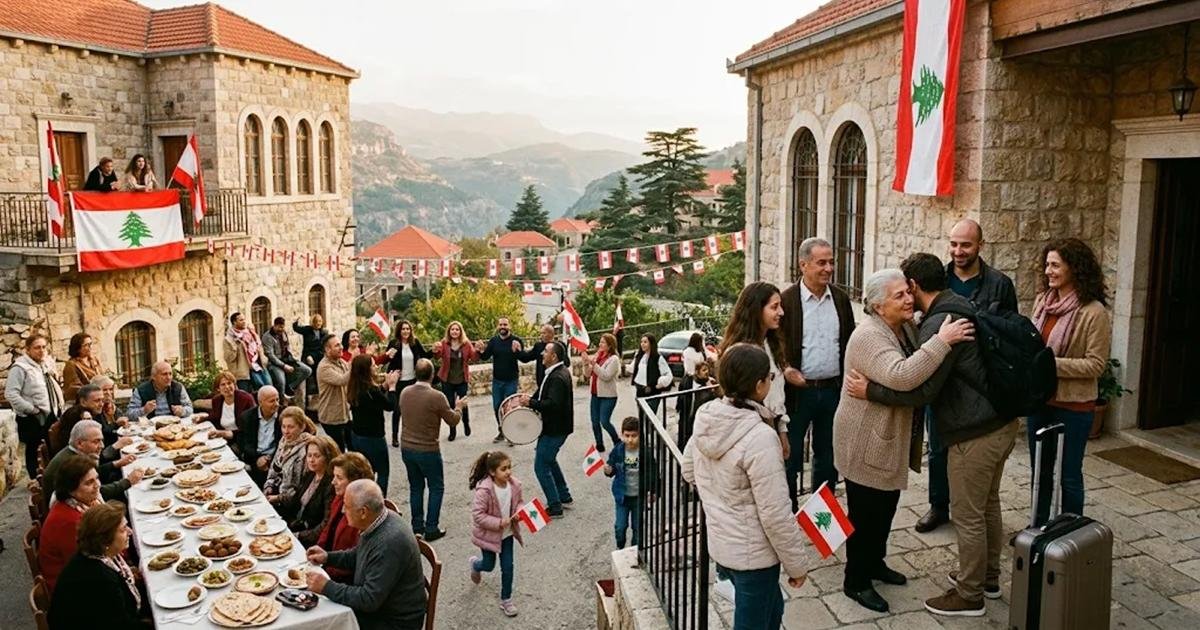
Lebanon marks Independence Day today, 22 November, recalling the events of 1943 that brought the country’s independence from the French Mandate. The date has a place in the national calendar and in the lives of Lebanese families who mark it abroad. The cedar on the flag offers an immediate image of home, even to people who have never walked among the trees. It is also a good place to begin learning how geography, work and memory come together in a small country.
The Cedars of God stand near Bsharri, above the Qadisha Valley, and form part of a UNESCO World Heritage site. The older trees grow slowly, with branches that spread wide on the high slopes. Their setting is quite different from the hot coast a relatively short distance away. Local guides can explain how the trees survive winter snow, while conservation work helps protect places where new ones can grow.
In Beirut, the seafront offers an ordinary view of city life. Walkers, runners and people stopping for coffee use the Corniche throughout the day, and fishing lines can be seen over the railings. Inland from the water, bookshops, universities, music venues and restaurants serve different generations of residents and visitors. The city is also a centre of Arabic publishing, and books printed there travel well beyond the capital.
Lebanon’s other cities reward their own visits. The old market of Tripoli has workshops and food shops where local knowledge is evident in what people make and sell. Byblos, on the coast, preserves traces of a trading town with a long history, while Baalbek in the Bekaa Valley is known for the scale of its Roman temples. Each place gives visitors a different way to understand the country’s connections across the Mediterranean and inland.
The Bekaa is important for farming as well as history. Its fields produce vegetables, grains and fruit, and farmers in other parts of the country tend olives, citrus and mountain orchards. Much of that produce appears in neighbourhood shops and kitchens, sometimes preserved for use after the season. Picking, drying and bottling food are ways in which families make the harvest last and children learn when particular ingredients are at their best.
At breakfast, a manoushe can be bought hot from a bakery and eaten on the way to work or school. The flatbread often comes topped with za’atar mixed with olive oil, although cheese and other toppings are common. UNESCO recognises the practice of preparing and sharing it as part of Lebanon’s intangible cultural heritage. Its place in national life comes from its familiarity, and a Lebanese bakery abroad can offer a taste that customers remember from home.
People also carry Lebanon with them through song. Fairuz has long been heard in homes, shops and cars, and recordings introduce younger listeners to songs their parents and grandparents know. Local festivals and small venues give performers ways to build an audience of their own. Arabic is the official language, while French and English are also used in many settings, giving artists and readers access to several audiences.
Lebanese communities abroad keep up ties through visits, family conversations and the businesses and associations they build. Some bring back professional experience or find customers for goods made in Lebanon. Others keep family links through recipes, stories or regular calls with relatives. On 22 November, the anniversary can have a personal significance for people whose idea of home includes two or more places.
As a member of the Organisation of Islamic Cooperation, Lebanon takes part in exchanges with countries across the Muslim world, including opportunities in education, commerce and cultural work. The country’s universities and professional networks provide ways for people to share their knowledge across borders. The same habit of exchange can be seen in the work of publishers, musicians and cooks. Each reaches people in a different way and gives them a place to begin a conversation.
As Lebanon observes Independence Day, its history is part of the occasion, and so is the life people make around it. An evening on the Corniche, a walk among the cedars and breakfast from a familiar bakery each offer a distinct idea of home. Such memories travel well, and people who share them often find that a small detail is enough to bring a place back. On 22 November, those details help give the national anniversary a meaning people can recognise from their own lives.
- Business News 120
- Country News 16
- Feature News 67
- International News 258
- Interview News 36
- National News 42