



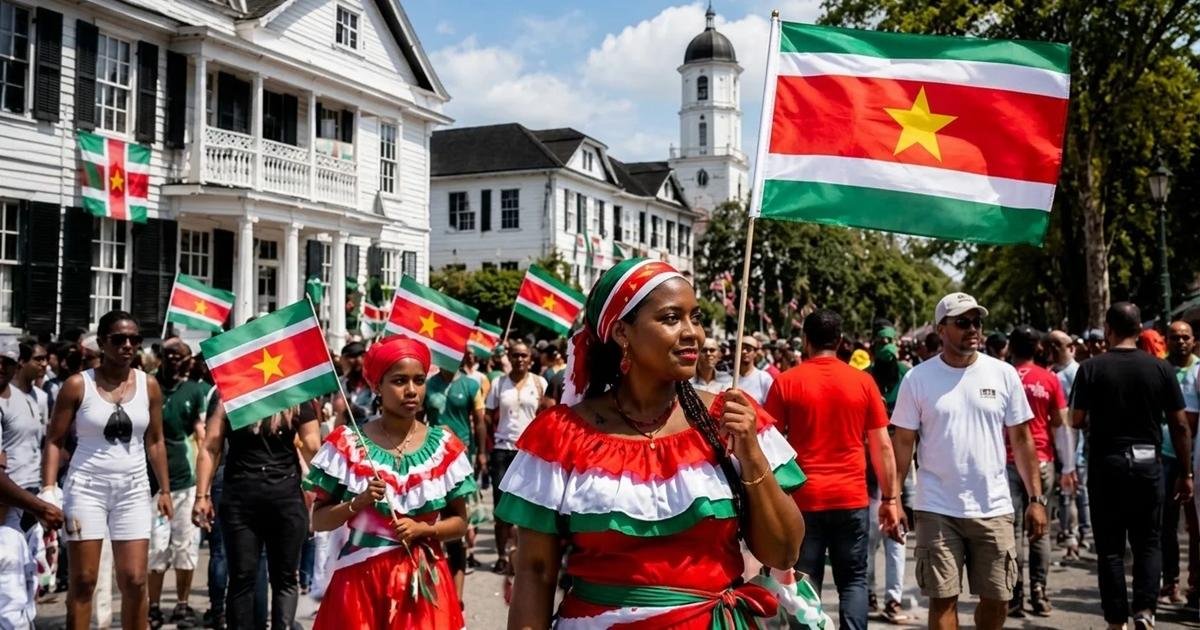
Suriname celebrates its 51st Independence Day today, 25 November, honouring the moment in 1975 when the country became a sovereign republic. Across Paramaribo and communities beyond the capital, the national flag, music and gatherings give the occasion a warm public character. The anniversary invites citizens to remember the achievement of self-government and to appreciate the many cultures that share a national home. It is also a day to look towards the opportunities that lie ahead.
Independence Day is known locally as Srefidensi Dey, a name closely associated with freedom and national ownership. Its meaning reaches beyond official ceremonies to families, schools, artists and neighbourhood organisations. Each generation has its own experience of Suriname, yet the date provides a common point of pride. Celebrations recognise that a country is built not only by its institutions but also by the everyday contributions of its people.
Suriname lies on the northern coast of South America, between Guyana and French Guiana, with Brazil to the south and the Atlantic Ocean to the north. It is the continent’s smallest independent country by area, but its natural environment is remarkably extensive. Tropical forests cover most of the territory, while rivers connect the interior with coastal settlements. This close relationship with water and woodland gives Suriname a distinctive place in the region.
Paramaribo is the country’s capital and principal urban centre. Its historic inner city is recognised by UNESCO for an architectural character that brings together wooden buildings, broad streets and influences from several traditions. Along the Waterkant, the Suriname River has long been part of commercial and social life. Markets, places of worship and family-run businesses make the capital an inviting introduction to the nation’s history and present-day energy.
The country’s people reflect a rich variety of backgrounds, including Indigenous communities, Maroons, people of African and South Asian descent, Javanese, Chinese and other groups. Dutch is the official language, while Sranan Tongo and numerous community languages are heard in daily life. Religious and cultural traditions are equally varied. Neighbours celebrate different festivals, share meals and contribute to a national identity that values both common citizenship and personal heritage.
Suriname’s cultural life is full of music, movement and flavour. Kaseko and other popular styles accompany public gatherings, while dance and storytelling preserve memories within families. The national table includes roti, pom, saoto soup, rice dishes and foods shaped by many culinary histories. Each recipe tells something about migration, local ingredients and the ability of communities to make familiar traditions their own.
Beyond the capital, the forests and waterways sustain exceptional biodiversity. The Central Suriname Nature Reserve is internationally recognised for its ecological importance, while protected areas and river communities offer opportunities for learning and responsible tourism. Jaguars, giant river otters, birds and countless plant species form part of this natural wealth. Protecting the environment is therefore closely connected with safeguarding livelihoods, water resources and a valuable inheritance for future generations.
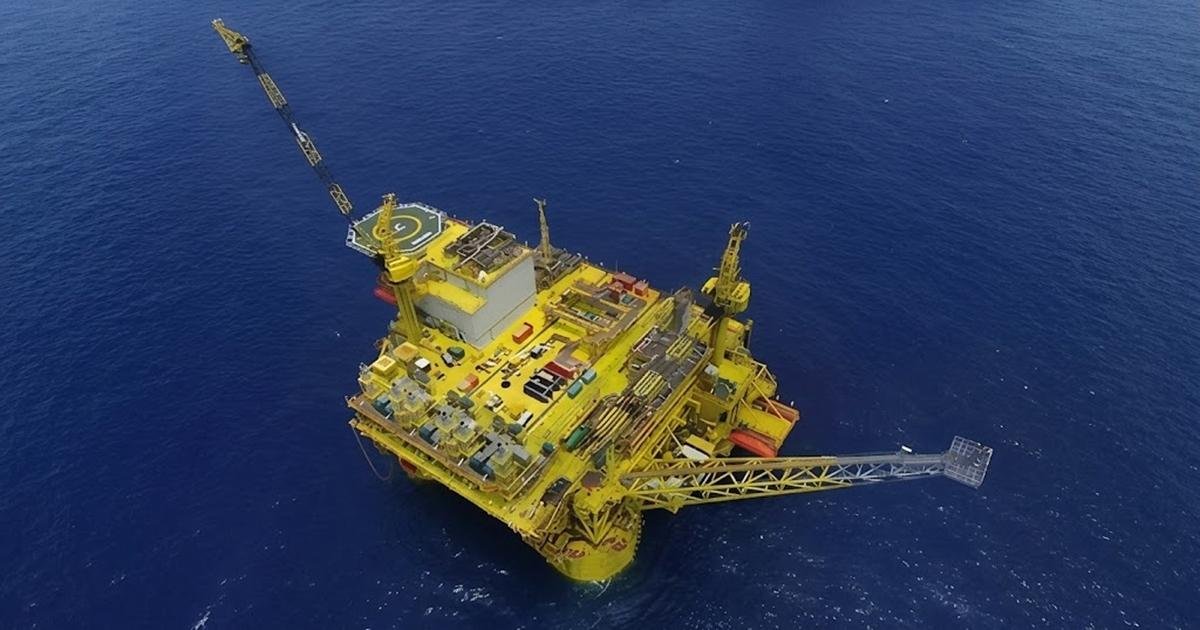
Gold mining, energy, agriculture, fisheries, trade and services contribute to the economy. Rice and bananas are important agricultural products, while new offshore energy opportunities have attracted attention to the country’s future. The challenge is to translate natural resources into lasting benefits through education, infrastructure and sound environmental care. Small businesses and local producers also deserve recognition for sustaining employment and community life.
Young Surinamese are active in sport, technology, education, the arts and entrepreneurship. Better access to training and digital connections can help them build careers at home and strengthen links with the wider Caribbean and South American regions. Suriname’s sporting achievements, particularly in football and swimming, have also brought its name to international audiences. Independence Day gives young people an occasion to see themselves as participants in the country’s next chapter.
Suriname is a member of the Organisation of Islamic Cooperation, reflecting the presence of longstanding Muslim communities within its diverse society. The country’s participation offers connections in education, trade, development and cultural exchange. Its experience of different faiths and traditions living within one nation also adds a valuable perspective to the OIC family. These relationships can create practical opportunities while strengthening mutual understanding.
As Suriname marks 51 years of independence today, its celebration belongs to every community that calls the country home. From the wooden streets of Paramaribo to the rivers and forests of the interior, the nation brings together many histories in one shared future. The anniversary honours sovereignty, welcomes cultural variety and encourages confidence in the next generation. Its strongest message is that national progress grows through respect, opportunity and the work of citizens together.
- Business News 120
- Country News 16
- Feature News 67
- International News 259
- Interview News 36
- National News 44