



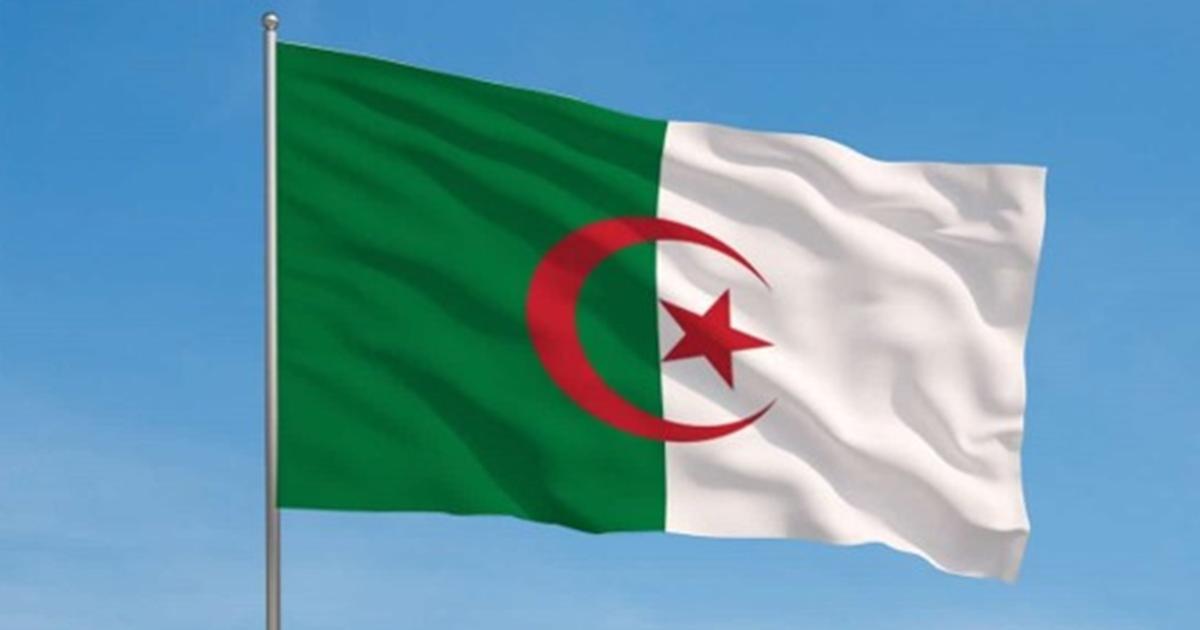
Algeria celebrates Independence Day today, 5 July, remembering the historic moment in 1962 when the country regained its sovereignty after a long struggle for freedom. The national flag flies proudly across cities, towns and villages as citizens honour the courage, sacrifice and unity that helped establish the modern Algerian state. Official ceremonies, family gatherings, cultural programmes and public events give the occasion a strong sense of national belonging.
The day allows Algerians to remember the past while looking ahead with confidence. Independence remains closely connected to dignity, collective responsibility and service to the nation. From Algiers on the Mediterranean coast to communities across the vast south, the anniversary brings people together around a shared history and a common hope for continued peace, development and opportunity.
Algeria holds a special place in Africa and the Arab world. It is the largest country in Africa by area, stretching from a fertile Mediterranean coast to the great Sahara Desert. The northern region contains most of the population, major cities and agricultural activity, while the south is known for wide desert plains, mountains, oases and communities whose traditions have developed over many centuries.
The capital, Algiers, stands beside the Mediterranean and serves as the centre of government, business, education and culture. Its white buildings rising above the sea have long given it the name “Algiers the White.” The historic Casbah, with its narrow streets, old houses, mosques and Ottoman-era buildings, reflects the city’s long connection with Mediterranean and Islamic civilisation.
Algeria is home to about 47 million people. Arabic and Tamazight are the official languages, while Algerian Arabic and different Amazigh languages are widely spoken in daily life. French is also commonly used in education, business and the media. This combination reflects the country’s Arab, Amazigh, African, Mediterranean and Islamic identity.
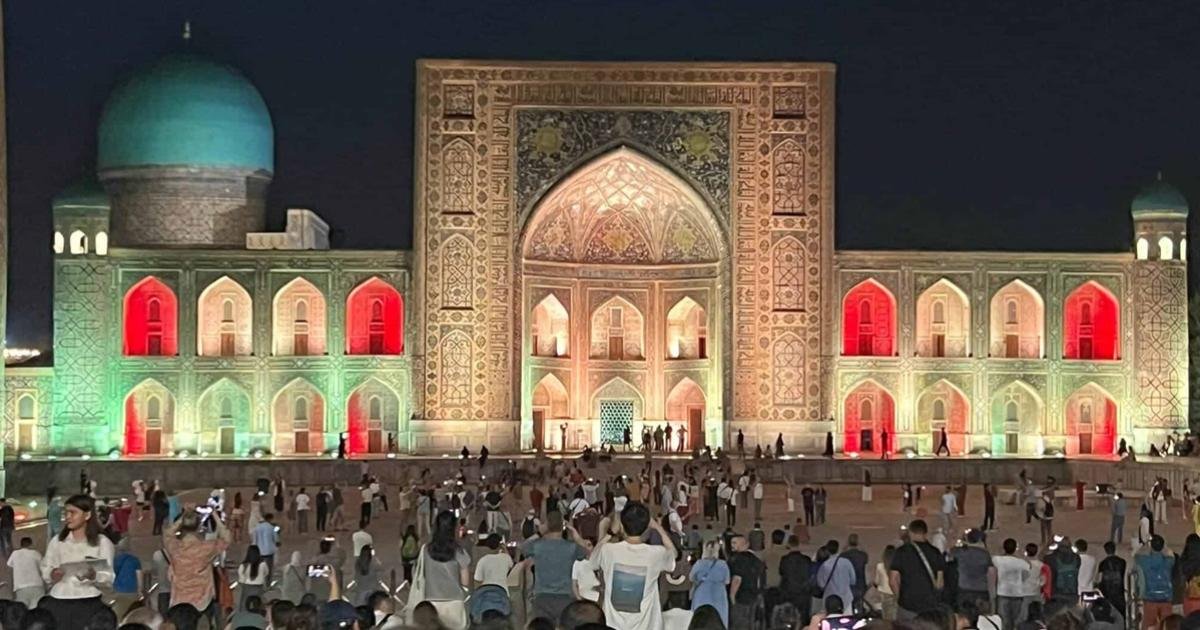
The country’s heritage can be seen in ancient cities, desert art, traditional architecture and living customs. UNESCO-listed places such as the Casbah of Algiers, Djémila, Timgad, Tipasa, the M’Zab Valley and Tassili n’Ajjer show different chapters of human settlement and cultural achievement. Traditional clothing, pottery, carpet-making, jewellery, storytelling and local festivals continue to connect younger generations with their communities.
Music is another important part of Algerian life. Raï, chaabi, Andalusian music and Amazigh musical traditions are enjoyed inside the country and far beyond its borders. Algerian food also brings families together, with couscous, chorba, breads, dates, olives and regional dishes often served during celebrations. Hospitality remains a valued part of social life, especially when relatives and neighbours gather on national occasions.
Algeria’s economy is strongly supported by oil and natural gas, which have given the country an important role in regional and international energy markets. At the same time, agriculture, manufacturing, construction, transport, tourism, services and renewable energy offer further paths for growth. The country’s size, coastline, natural resources and educated population provide a strong base for wider economic activity.
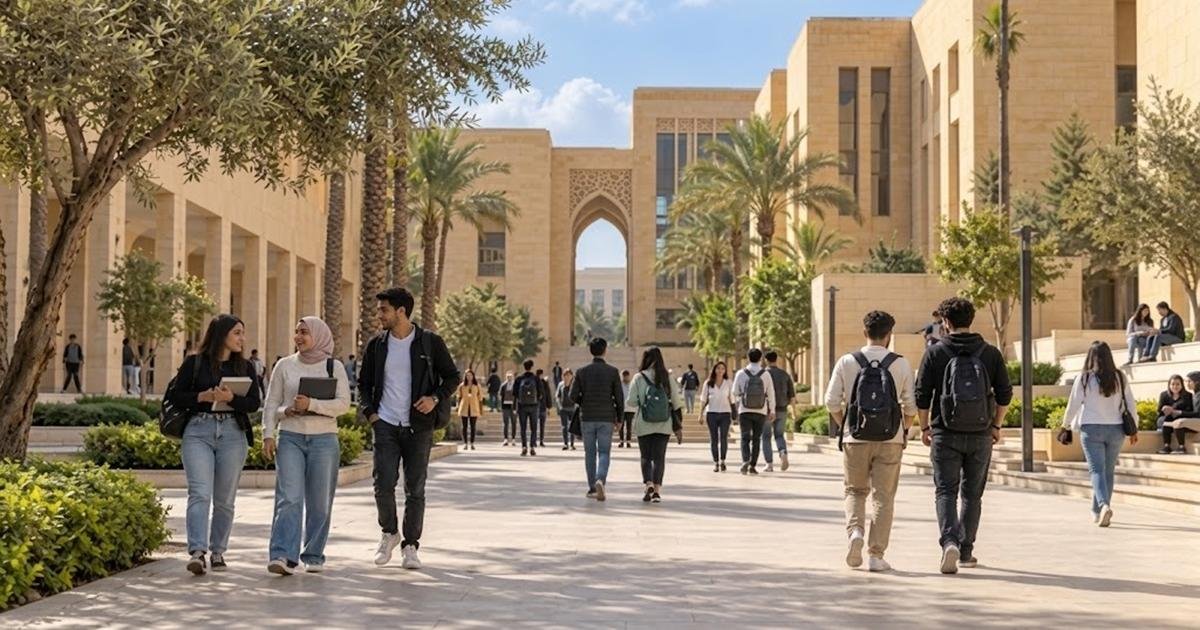
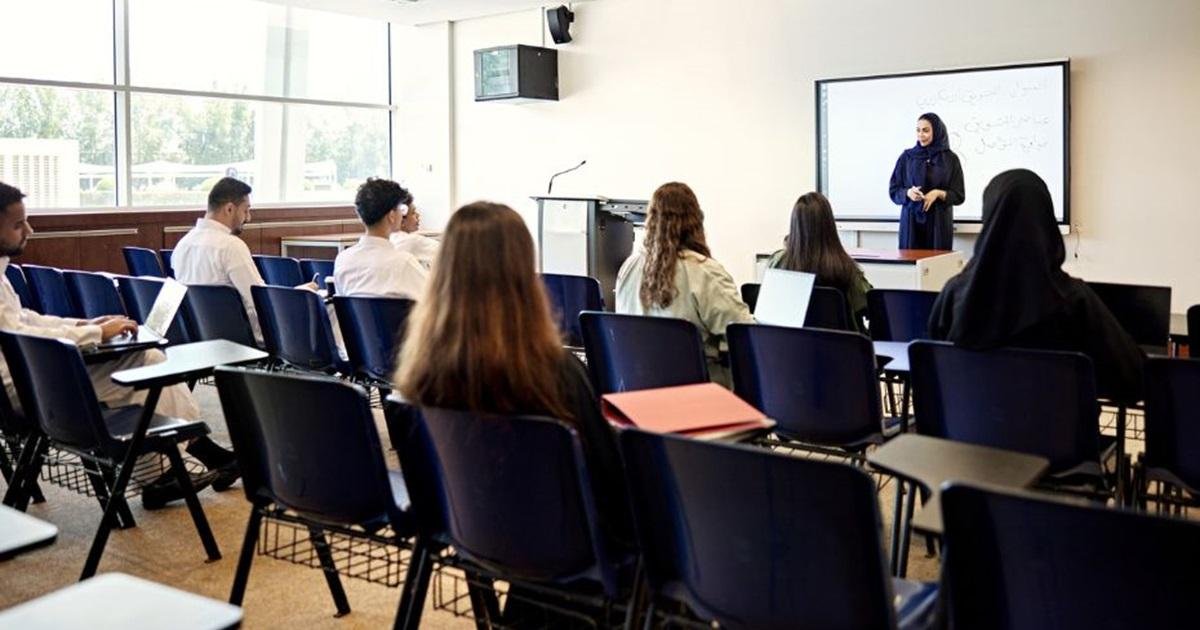
Young Algerians are central to the nation’s future. Universities, vocational institutes, digital businesses, scientific research and cultural projects give young people more ways to take part in national development. Their ideas and skills can support entrepreneurship, technology, modern agriculture, creative industries and environmental protection. Independence Day reminds the country that freedom gains greater meaning when each generation receives the tools to build, serve and succeed.
Islam has a central place in Algeria’s history, values and daily life. Mosques, religious learning, charity and family traditions help shape communities throughout the country. As a member of the Organisation of Islamic Cooperation, Algeria works with fellow member states in areas including education, trade, science, culture and humanitarian cooperation. Its African, Arab, Mediterranean and Islamic ties allow it to support stronger relations across several regions.
Sport also adds energy to national pride. Football is followed with great passion, and the national team has created many memorable moments for supporters. Athletics, judo, boxing and other sports have also brought international recognition. On Independence Day, sporting memories often become part of the wider celebration of the flag and the achievements of Algerian citizens.
As Algeria marks Independence Day today, it honours the generation that secured sovereignty and celebrates the people who continue to strengthen the republic. The occasion carries a message of unity, gratitude and confidence in the country’s abilities. For the OIC family and the wider world, Algeria stands as a nation of deep history, cultural richness, major resources and strong potential for future progress.
- Business News 114
- Country News 16
- Feature News 65
- International News 235
- Interview News 36
- National News 35