



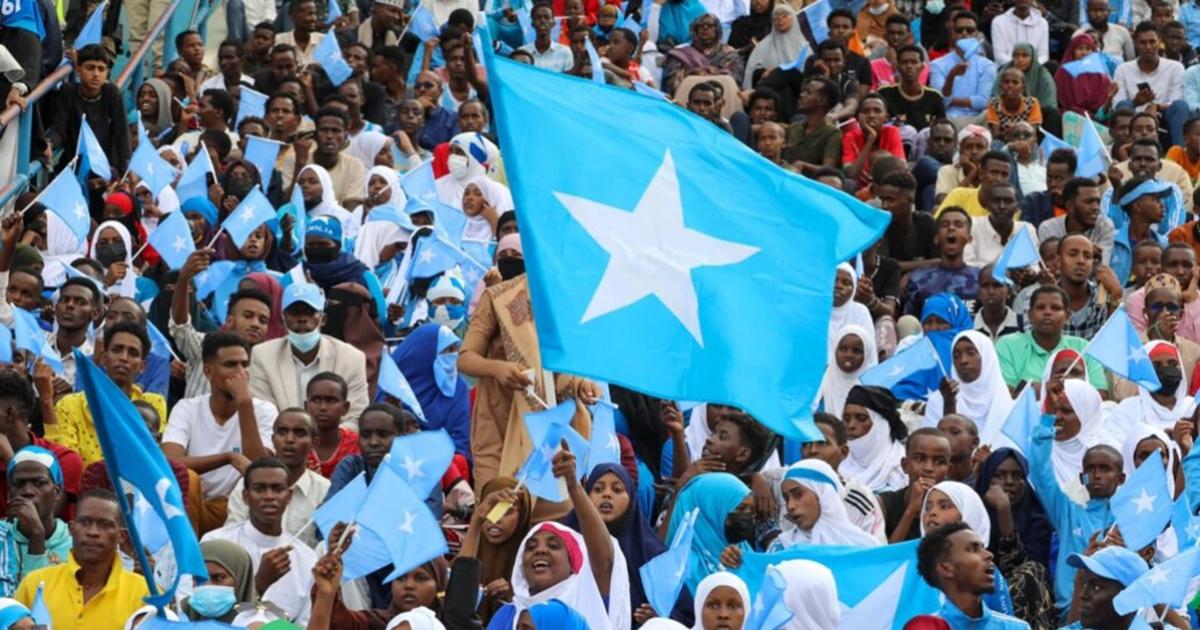
Somalia observes an important national moment on 26 June, recalling the historic day in 1960 when the northern Somali territory gained independence from British rule. This step was followed days later by union with the southern region on 1 July, creating the Somali Republic. Today, the occasion is remembered with pride as part of Somalia’s wider independence story and as a symbol of unity, dignity and national hope.
The day carries emotional meaning for Somalis at home and abroad. It reminds the nation of a time when people looked toward self-rule with courage and confidence. Across communities, the anniversary is often linked with the flag, patriotic songs, public messages, family gatherings and reflections on national identity. It is also a chance to celebrate Somalia’s culture, language, faith and long connection with the wider Islamic world.
Somalia occupies a special position in the Horn of Africa, where the Gulf of Aden, the Arabian Sea and the Indian Ocean meet important regional trade routes. Its coastline is among the longest in mainland Africa and has shaped the country’s economy, culture and history for centuries. Coastal cities and ports have connected Somali communities with Arabia, East Africa, South Asia and beyond. This maritime link remains one of the country’s strongest natural advantages.
The capital, Mogadishu, is one of the most historic coastal cities in the region. For centuries, it has been known for trade, scholarship, architecture and cultural exchange. Other cities and towns also reflect Somalia’s varied identity, from inland trading centres to fishing communities along the sea. Together, they show a nation whose history is closely tied to movement, business, faith and community life.
Somali society is deeply connected to language and oral tradition. The Somali language is a major source of identity, and poetry has long held a respected place in public life. Through poems, proverbs, stories and songs, Somalis have preserved history, shared wisdom and expressed national feeling. This strong oral culture continues to give the country a distinct voice in Africa and the wider Muslim world.
Islam is central to Somalia’s social and cultural life. The country has been connected to the Muslim world for more than a thousand years through trade, scholarship and migration. Mosques, religious learning and community values remain important in daily life. Somalia’s membership in the Organisation of Islamic Cooperation since 1969 reflects these deep ties and gives the country an active place in the family of OIC member states.
The Somali people are also known for enterprise and mobility. Livestock trade, small businesses, telecommunications, remittances and private services form important parts of the economy. Somali traders and entrepreneurs are active across the Horn of Africa, the Gulf and the global diaspora. Their networks help connect families, support local business and maintain strong links between Somalia and communities abroad.
The country’s natural resources also offer long-term promise. Fisheries, agriculture, livestock and the blue economy can play a greater role in future growth. With one of Africa’s longest coastlines, Somalia has opportunities in ports, maritime trade, fisheries management and coastal services. These sectors can support jobs and food security when developed with care and long-term planning.
Somalia’s young population is another important source of hope. Young people are increasingly involved in education, technology, media, business and civic life. Digital services, mobile money and communications have already changed daily life for many people. With more investment in skills and institutions, this generation can help build a more connected and productive economy.
For many Somalis, Independence Day is also a celebration of the diaspora. Somali communities in the Middle East, Europe, North America, Africa and Asia remain closely connected to their homeland. They support families, invest in businesses, promote culture and keep national memory alive. On 26 June, their celebrations help turn the day into a shared event across borders.
As Somalia honours this important day, the message is one of pride, faith and renewal. The anniversary recalls a decisive step toward self-rule and invites the nation to keep moving toward unity, education, trade and social progress. For the OIC community, Somalia remains a valued member with deep Islamic heritage, strong cultural identity and a people known for resilience, generosity and enterprise.
- Business News 114
- Country News 16
- Feature News 65
- International News 235
- Interview News 36
- National News 35