



The arrival of Dhul Hijjah came at a time when Raiyana Malik felt she needed a spiritual reset. While attending the final Friday prayer before the sacred month began, she found herself distracted by seasonal allergies and struggling to focus on the sermon. However, one statement from the imam immediately captured her attention: although many Muslims may not physically perform Hajj, their hearts can still share in the journey.
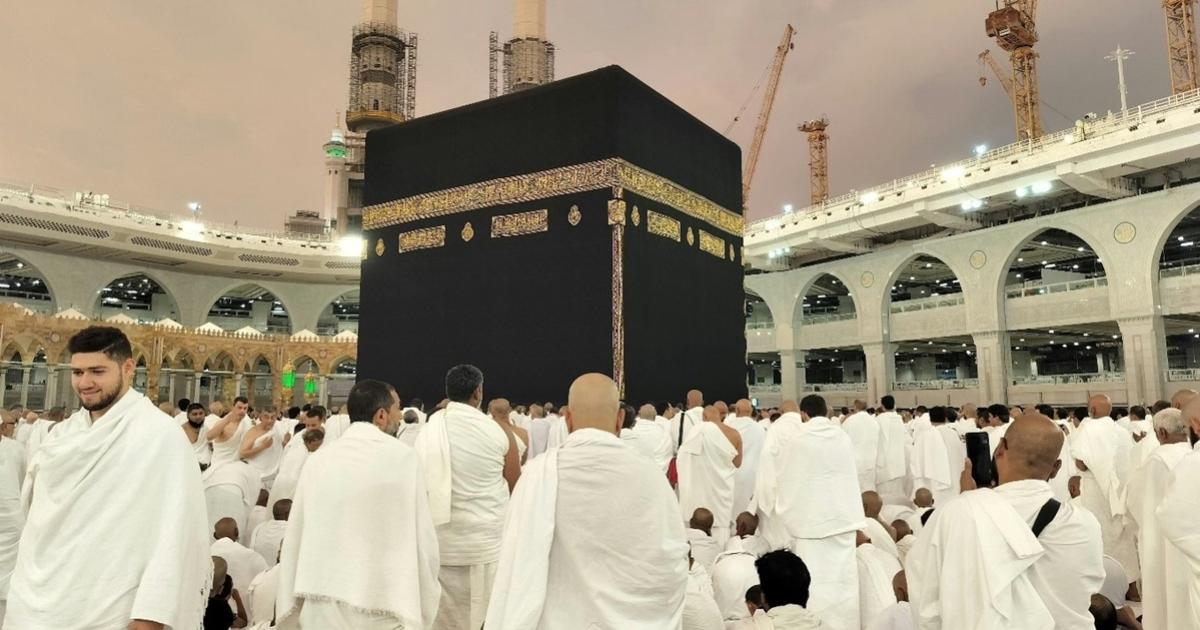
That message stayed with her throughout the days of Dhul Hijjah. As millions of pilgrims gathered in Makkah to perform the rites of Hajj, she reflected on how Muslims who remain at home can still connect with the season. Through fasting on the Day of Arafah, increasing remembrance of Allah, making sincere supplications, and observing the recommended practices associated with the pilgrimage period, believers can take part in the spiritual atmosphere of Hajj regardless of where they are.
Malik explained that the reminder was especially meaningful because the spiritual energy she experienced during Ramadan had gradually faded. Ramadan had brought a stronger connection with Allah, more focused prayers, and a sense of peace. Yet as everyday responsibilities returned, along with career setbacks and uncertainty about the future, maintaining that same level of devotion became increasingly difficult.
She noted that many Muslims experience a similar challenge after Ramadan. Once the month ends, people often find themselves slipping back into old routines and struggling to maintain the spiritual habits they worked hard to build. For her, Dhul Hijjah served as an opportunity to renew that connection and return to the practices that had brought comfort and purpose during Ramadan.
The first ten days of Dhul Hijjah hold a special place in Islam. The Qur’an and the teachings of the Prophet Muhammad (PBUH) highlight the value of good deeds performed during this period. Malik reflected on the mercy of being given another sacred season only a few months after Ramadan, allowing believers another opportunity to strengthen their relationship with Allah and seek His forgiveness.
The story of Prophet Ibrahim (PBUH), which forms the foundation of Hajj, also carried an important lesson for her. His example of trust, patience, and obedience in difficult circumstances reminded her that faith often requires perseverance even when the future is uncertain. Although she was not physically present in Makkah, she felt she could still embrace the values and spirit that Hajj represents.
Malik described what she called a “journey of the heart.” Many Muslims dream of performing Hajj but may not yet have the means or opportunity to do so. Some are saving for the pilgrimage, while others are waiting for the right moment in life. She believes that the sincere desire to draw closer to Allah and one day answer His call is itself meaningful and can become the starting point of a deeper spiritual path.
On the Day of Arafah, she revisited a list of personal prayers she had written during Ramadan. Looking through them, she realized that many had already been answered, some in expected ways and others through circumstances she had never anticipated. The experience filled her with gratitude and reminded her that Allah’s mercy extends far beyond a single season.
By the end of Dhul Hijjah, Malik reached a simple but powerful conclusion. Although she had not travelled to Makkah, stood on the plains of Arafah, or performed the rites of Hajj, she felt that her heart had moved closer to Allah. For her, that renewed connection was a meaningful journey in itself and a reminder that every spiritual path begins with a sincere desire to return to faith.
- Business News 114
- Country News 16
- Feature News 65
- International News 235
- Interview News 36
- National News 35