



Saudi Arabia’s National Center for Environmental
Compliance has significantly expanded its environmental oversight during this
year’s Hajj season, recording a 145 percent increase in inspection rounds
targeting activities with high environmental impact compared with last year.
Ali Al-Ghamdi, CEO of the center, said environmental monitoring efforts were supported by more than 200 satellite images analyzed with artificial intelligence tools. The technology enabled specialists to monitor a broader area surrounding the Two Holy Mosques and the holy sites while improving the efficiency of inspection operations.
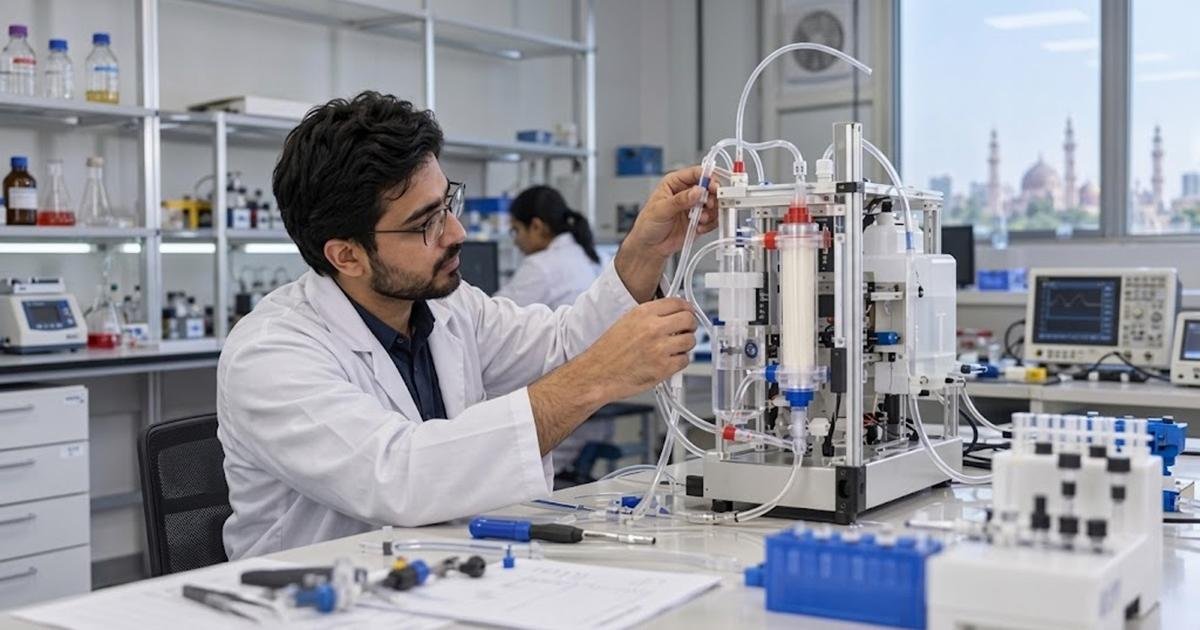
The center handled more than 100 environmental reports during the season, with around half identified through satellite monitoring. According to Al-Ghamdi, this allowed inspection teams to respond more quickly and accurately. In addition, more than 2,300 laboratory tests were carried out in Makkah and Madinah to assess environmental conditions.
Over 1,800 inspection visits were conducted, resulting in the detection of approximately 250 noncompliance cases. The majority, about 95 percent, were linked to administrative and organizational matters, while only a small share involved technical environmental violations with notable impact. Corrective actions were taken in coordination with relevant authorities to address the issues and restore affected locations.
To support environmental monitoring, the center operated nine air-quality stations around areas where pilgrims gathered. It also introduced a round-the-clock pollution forecasting program for the first time, enabling inspectors to identify pollution sources early and take preventive measures before conditions worsened.
Noise levels were monitored through six fixed stations across Makkah and the holy sites, supplemented by portable devices used daily by inspectors in camps, roads, tunnels, and other key locations. The center reported that all recorded noise levels remained within approved limits throughout the Hajj season.
The center also closely supervised the disposal of solid and liquid waste generated from sacrificial animal slaughter in facilities across Makkah, the holy sites, and Madinah. Looking ahead, Al-Ghamdi said satellite monitoring will continue after Hajj, alongside more than 1,800 soil and water analyses, to ensure environmental sustainability and protect natural resources in the years ahead.
- Business News 114
- Country News 16
- Feature News 65
- International News 235
- Interview News 36
- National News 35