



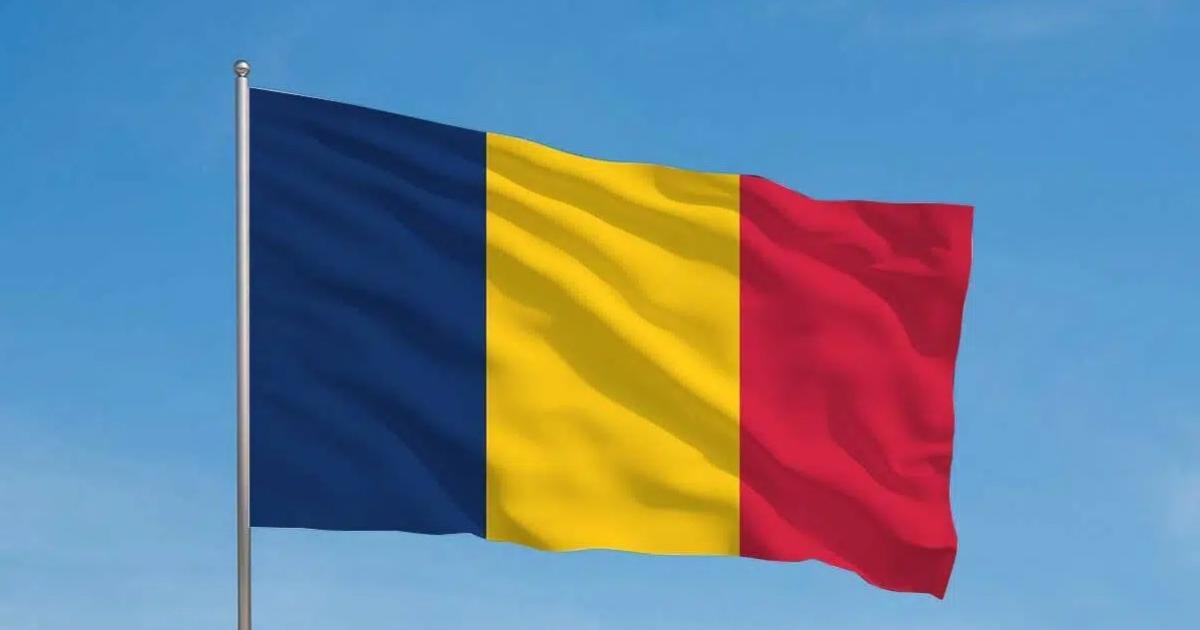
Chad celebrates its 66th Independence Day today, 11 August, recalling the proclamation of sovereignty in 1960. Across the country, the blue, gold and red flag is displayed as citizens honour national history and the generations that have contributed to the republic. Ceremonies, cultural programmes, family gatherings and messages of goodwill give the occasion a hopeful and dignified spirit.
The anniversary invites Chadians to celebrate what they share across a vast and geographically varied country. Chad stretches from the Sahara in the north through the Sahel to fertile savanna in the south, making it one of Africa’s largest states by area. N’Djamena, the capital, stands near the meeting of the Chari and Logone rivers and serves as the main centre of administration, trade and cultural exchange.
The country takes its name from Lake Chad, a freshwater lake shared with neighbouring states. For generations, the lake and its surrounding basin have supported fishing, farming, livestock and commerce, while also connecting communities across borders. Its importance makes water conservation and regional cooperation matters of daily life as well as long-term responsibility.
Chad is home to many peoples, languages and traditions. Arabic and French are the official languages, while Sara, Kanembu, Teda, Maba and numerous other languages are spoken in homes and communities. This human variety can be heard in music and oral history and seen in clothing, handmade goods, social customs and local celebrations.
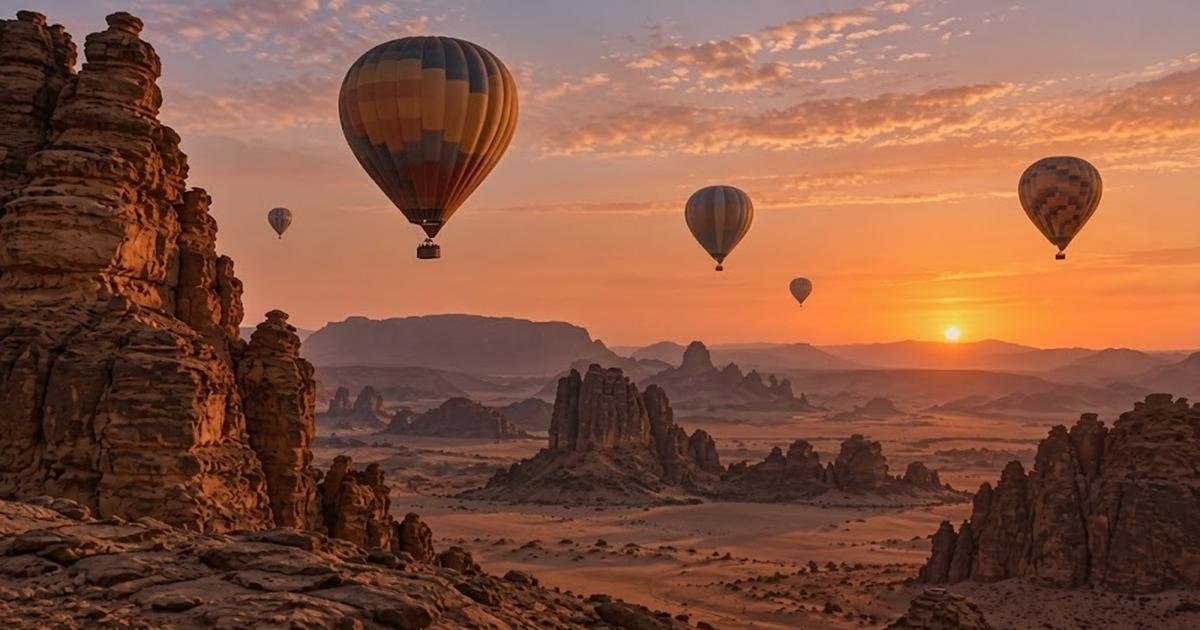
The country’s natural and cultural heritage is remarkable. In the Sahara, the Lakes of Ounianga form a group of 18 lakes fed by underground water, with colours that stand out against the desert. The Ennedi Massif is known for sandstone formations, canyons, wildlife and rock art that records a long history of human presence and changing ways of life.
Further south, protected areas show another side of Chad’s natural wealth. Zakouma National Park is known for broad savanna, seasonal water and wildlife, making conservation important for both biodiversity and local opportunity. Responsible tourism and community participation can help protect such places while allowing their benefits to reach nearby residents.
Pastoral traditions remain central to Chad’s identity and economy. Cattle, camels, sheep and goats support families, local markets and cross-border trade, while farming communities grow sorghum, millet, maize, rice, sesame, groundnuts and cotton. Fishing also provides food and income around rivers and the Lake Chad basin.
Oil is an important export, but Chad’s lasting strength also rests on agriculture, livestock and the ability of communities to add value to local products. Better roads, storage, veterinary care, irrigation, energy and market access can raise incomes across rural areas. Gum arabic, sesame, hides, meat and processed foods offer opportunities for a more varied economy.
Chad has abundant sunlight, giving solar energy the potential to serve homes, schools, clinics, farms and small businesses. Reliable power can support cold storage, water pumping, communications and study after dark, especially in distant communities. Expanding access to technology can also help young people connect with education, services and new forms of work.
The country’s young citizens carry much of its future promise. Teachers, health workers, farmers, traders, engineers, artists and entrepreneurs are helping communities meet daily needs and create new possibilities. Education and practical training can give this generation the tools to contribute to national progress while remaining proud of local languages and knowledge.
Islam is the faith of a majority of Chadians, and Muslim scholarship and trade have long connected the region with North Africa and the wider Islamic world. Christian and traditional religious communities are also important parts of national society. Chad’s membership in the Organisation of Islamic Cooperation supports partnerships in education, health, agriculture, humanitarian work, business and cultural exchange.
Chadian hospitality is expressed through shared meals, tea and respect for guests. Millet-based dishes, meat, fish, vegetables, sauces and dairy products reflect the country’s different regions and livelihoods. On Independence Day, food and music help families and neighbours celebrate the nation in a personal and joyful way.
As Chad marks 66 years of independence today, the country celebrates the strength found in its people, faith, natural resources and cultural variety. From N’Djamena and the Lake Chad basin to the Ennedi highlands and southern farming communities, citizens share pride in belonging to one nation. The anniversary honours the past and calls on every generation to support unity, learning, opportunity and responsible care for the country’s future.
- Business News 115
- Country News 16
- Feature News 66
- International News 239
- Interview News 36
- National News 37