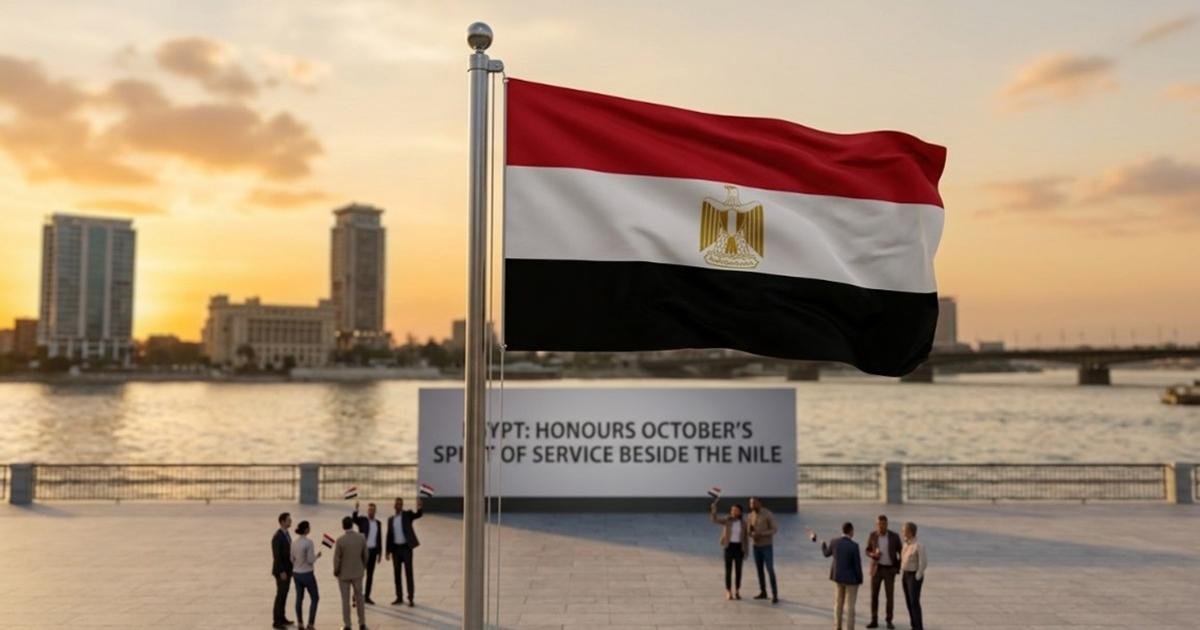




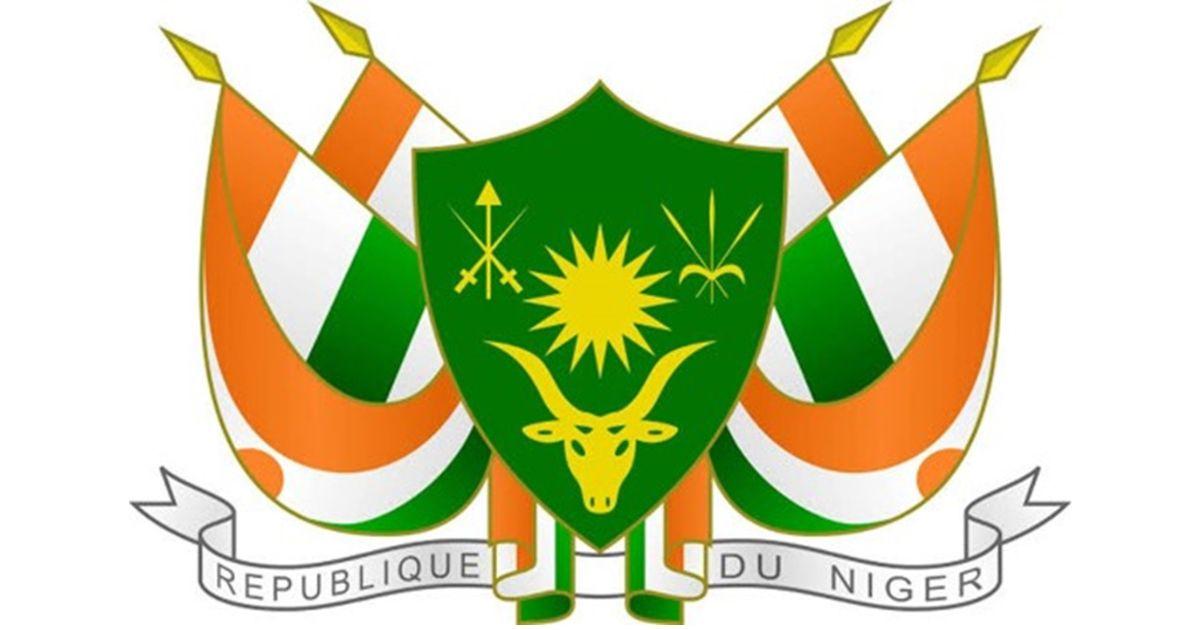
Niger marks its 66th Independence Day today, 3 August, remembering the declaration of full independence in 1960. The occasion brings citizens together through official programmes, community events and the display of the orange, white and green national flag. It is a day of memory, belonging and hope for a country whose people have long shown strength in one of Africa’s most demanding environments.
In Niger, Independence Day carries an additional meaning through the National Tree Day tradition. Since the 1970s, tree planting has become closely associated with the anniversary, linking national freedom with care for the soil, water and future generations. Citizens, public institutions and local groups take part in planting activities that encourage practical responsibility towards the environment.
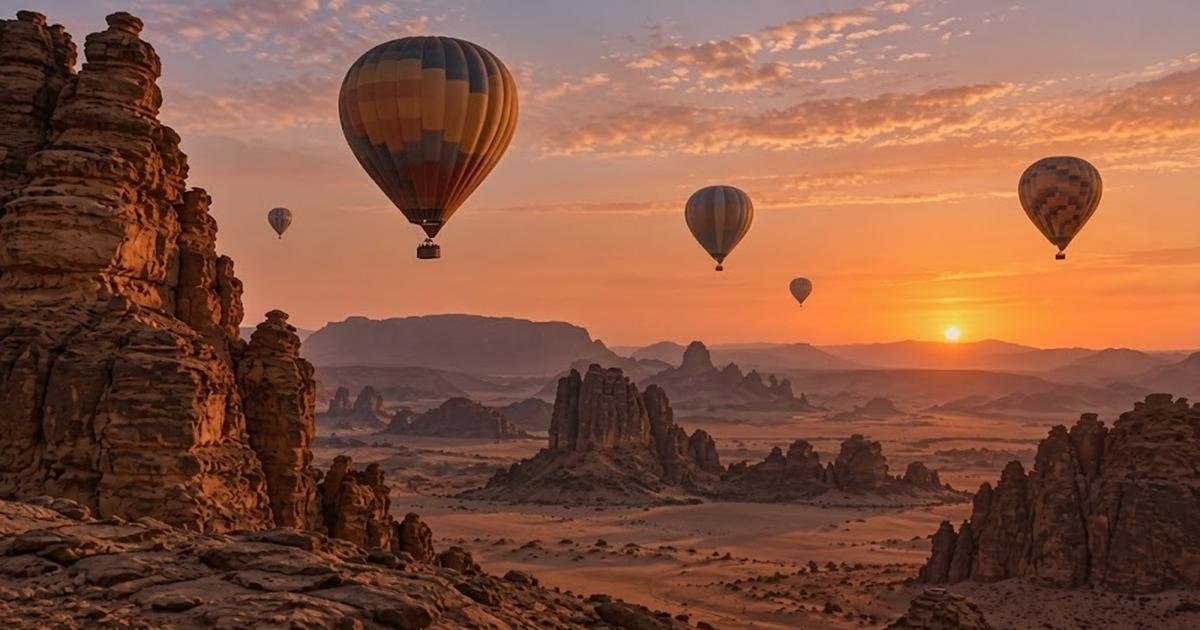
This tradition is especially meaningful in a country shaped by the Sahara and the Sahel. Niger is one of Africa’s largest states by area, yet much of its territory is desert, and most communities live in the more fertile south. The Niger River supports farming, fishing, trade and daily life, while the capital, Niamey, has grown along its banks as the country’s main administrative and economic centre.
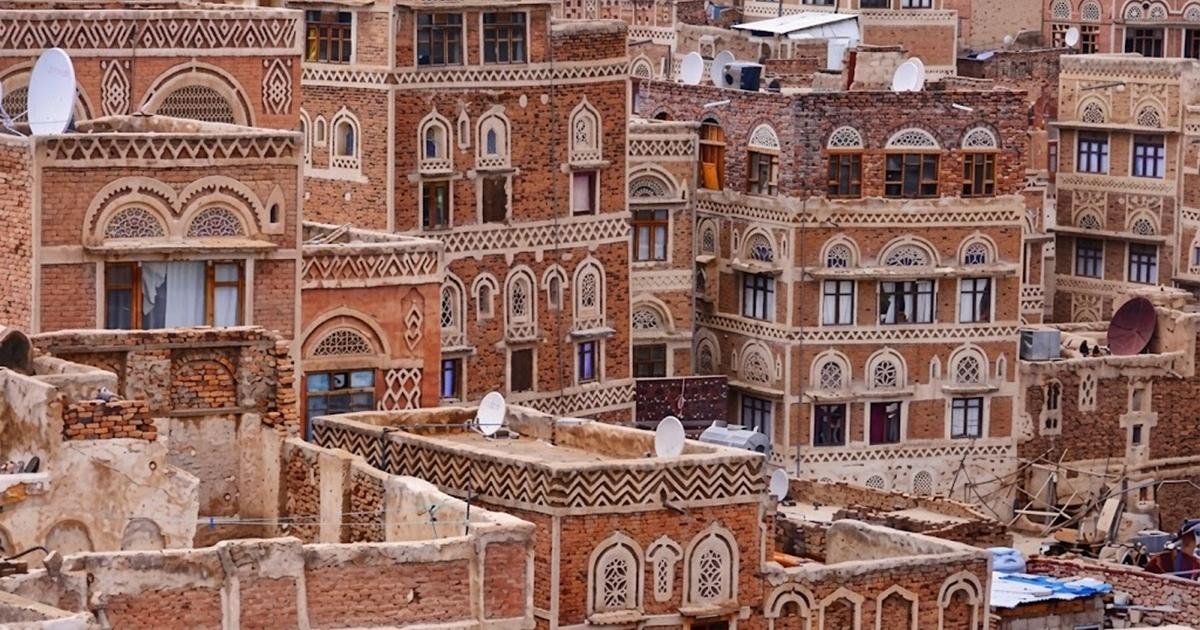
Niger’s history is closely linked to old trading routes that crossed the desert and connected West Africa with North Africa. Agadez became an important meeting point for merchants, travellers and scholars, and its historic centre remains known for earthen architecture and its tall mosque minaret. The city reflects centuries of exchange involving salt, livestock, textiles, knowledge and ideas.
The country is home to Hausa, Zarma-Songhai, Tuareg, Fulani, Kanuri, Toubou and other communities, each contributing language, dress, music and social customs. This human variety gives Niger a strong cultural character. Poetry, praise singing, leatherwork, silver jewellery, woven goods and colourful festivals preserve community knowledge while also supporting artists and small businesses.
Islam has a central place in the lives of most Nigeriens and has influenced education, ethics, architecture and social relations over many generations. Mosques and centres of learning remain important in cities and rural communities, while family and hospitality are valued across society. Niger’s membership in the Organisation of Islamic Cooperation supports links with other Muslim-majority countries in education, development, trade and humanitarian cooperation.
Agriculture and livestock provide livelihoods for a large share of the population. Farmers grow millet, sorghum, cowpeas, rice and onions, while pastoral communities raise cattle, goats, sheep and camels. These sectors depend heavily on rainfall and healthy land, which is why irrigation, water management, better seeds, veterinary services and land restoration are so important to national development.
Niger also has valuable mineral and energy resources, including uranium and strong potential for solar power. With sunshine available across much of the year, renewable energy can support homes, schools, health centres, irrigation and small enterprises in areas far from established electricity networks. Expanding reliable power can open new possibilities for education, business and local food processing.
Young people form the heart of Niger’s future. Their access to schools, technical training, healthcare and decent work will help determine how the country uses its natural resources and human ability. Across Niger, young citizens are entering farming, commerce, transport, communications and digital services, often combining family experience with new methods.
The National Tree Day tradition gives this future a visible symbol. A tree planted on Independence Day may offer shade, protect soil, provide fruit or strengthen a community space for years to come. The act is simple, but its message is broad: national pride is strongest when it improves the lives of those who will inherit the country.
Nigerien cuisine also reflects the resources and hospitality of the Sahel. Millet, rice, beans, vegetables, meat and dairy products appear in meals that vary by region and season. Tea and shared food often turn a visit into a social occasion, reinforcing the personal bonds that hold communities together.
As Niger celebrates 66 years of independence today, the nation honours its history while placing care for the earth at the centre of the occasion. From the banks of the Niger River to the old streets of Agadez and communities across the Sahel, citizens celebrate identity, faith and endurance. Independence Day invites every Nigerien to remember the past, serve the present and help a greener future take root.
- Business News 115
- Country News 16
- Feature News 66
- International News 239
- Interview News 36
- National News 37